Your AI Is About to Start Buying Things. Nobody Knows How to Prove You Said Yes.
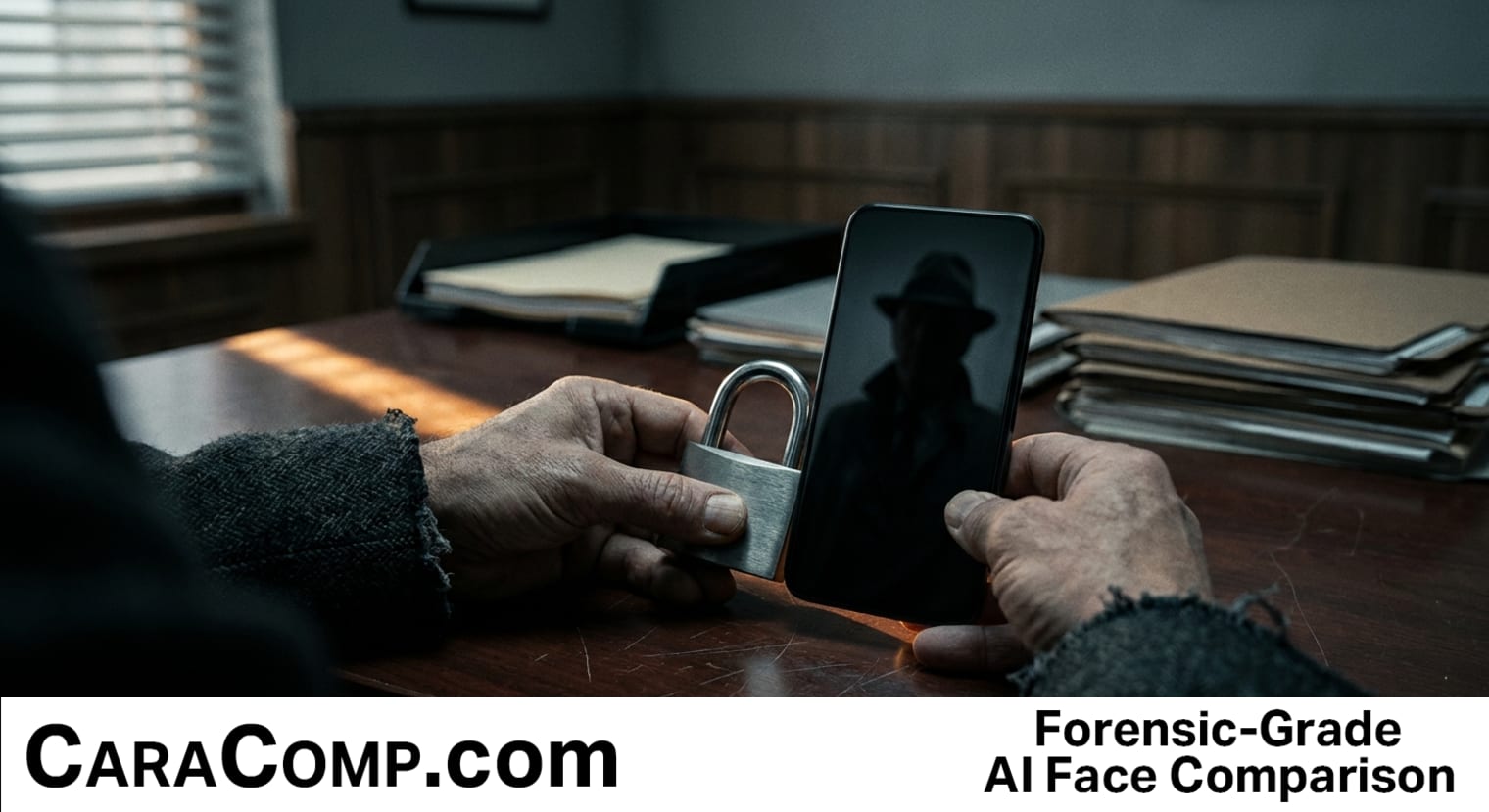
Your AI assistant is about to go on a shopping spree, and you might be the last person to know exactly what it "signed." While the tech world obsesses over the convenience of AI agents booking flights and paying bills while we sleep, they are ignoring a massive, looming identity gap. For those of us in the investigative world, this isn't just a tech upgrade; it is a future evidence nightmare.
The industry is calling this "agentic commerce," but for private investigators and OSINT professionals, it's a new frontier of fraud and disputed intent. When a human isn't the one clicking "buy," the entire chain of custody for a decision disappears. If an AI agent executes a $2,000 transaction that the owner claims they never authorized, who is liable? We are moving into a world where "proving it was you" is no longer about a password—it’s about verifying the mathematical intent behind a digital proxy.
This shift underscores why high-level biometric logic is becoming the only standard that matters. At CaraComp, we’ve always maintained that facial comparison isn't just about "scanning faces"—it’s about the Euclidean distance analysis that provides a verifiable, scientific degree of certainty. As AI begins to act as our digital twin, the tools we use to verify identity must be just as rigorous and court-ready as the enterprise-grade software used by federal agencies.
Key implications for the investigative industry:
- The Burden of Proof is Shifting: Investigators will soon be hired not just to find a person, but to audit the "delegated authority" of an AI agent to prove or disprove fraudulent intent in multi-billion dollar commerce disputes.
- A New Class of "Identity Spoofing": Traditional fraud will be replaced by agent-hijacking, where scammers don't steal your credit card, but trick your AI into "verifying" an unauthorized purchase through flawed authentication loops.
- Reliability Over Everything: As digital identities become more fluid and automated, "good enough" consumer tools will fail. Professionals will need forensic-level reporting and batch processing to compare biometric data across thousands of automated interactions.
The identity sector is scrambling to build "Verifiable Intent" frameworks, but the boots on the ground know the truth: technology moves faster than the law. Whether you are tracking insurance fraud or conducting deep-web OSINT, the ability to verify who is actually behind an action is the only thing that will keep your cases from falling apart in court.
Read the full article on CaraComp: Your AI Is About to Start Buying Things. Nobody Knows How to Prove You Said Yes.


Comments
Post a Comment