The Dumbest AI Deciding Your Job Is Riskier Than the Smartest One Curing Cancer — By Law
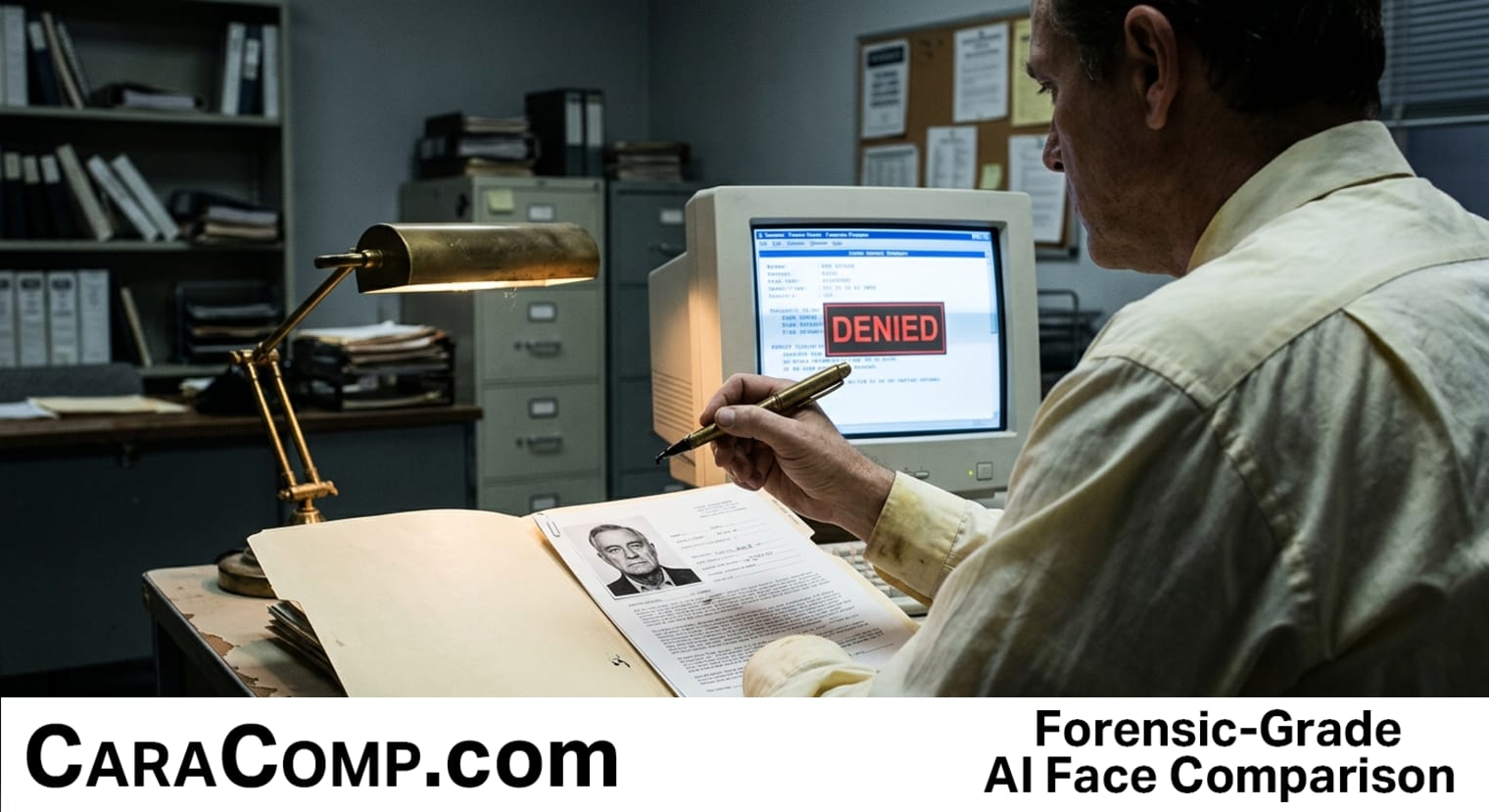
A basic algorithm that rejects a resume is now legally "riskier" than a super-intelligent neural network modeling a cure for a rare disease. This isn't a glitch in the system; it’s the core logic of the new EU AI Act. For those of us in the investigative and facial comparison space, the message is loud and clear: regulators no longer care how "smart" your tech is—they only care about whose life changes when it gets the answer wrong.
For private investigators and OSINT professionals, this represents a fundamental shift in how we must view our toolkit. We’ve spent years worrying about whether our software is "powerful" enough to match a graining CCTV frame to a social media profile. But the law is shifting the goalposts. If your tools cross the line from facial comparison—the objective, side-by-side analysis of two images—into "profiling" or behavioral tracking, you aren't just conducting an investigation; you are operating a "high-risk" asset subject to intense scrutiny.
The "human-in-the-loop" defense is also officially dead as a classification shortcut. Many investigators assume that as long as a person makes the final call, the AI is just a "helper." The EU AI Act shuts that door, stating that human oversight is a compliance requirement, not an escape hatch. If the tool is used in law enforcement or suspect identification, it is high-risk by default. As practitioners, we must prioritize tools that provide transparent, Euclidean distance analysis and court-ready reports rather than "black box" systems that claim to "sense" a suspect's intent or patterns.
Key Implications for Investigators:
- Purpose Over Power: A "simple" tool used for suspect identification is under more legal pressure than a "complex" tool used for scientific research. Your liability is tied to your case type, not your software’s sophistication.
- The Profiling Trap: There is a massive regulatory gulf between comparing two photos (allowable) and building a behavioral profile or tracking movements over time (high-risk). Stick to comparison to stay out of the crosshairs.
- Evidence Integrity: Because human review no longer lowers an AI's risk level, the technical accuracy and professional reporting of the tool itself are the only things that will protect your reputation in court.
The era of "flashy surveillance" is being replaced by the era of "defensible methodology." Investigators who win will be those using precise, affordable comparison tech that focuses on the evidence, not the hype.
Read the full article on CaraComp: The Dumbest AI Deciding Your Job Is Riskier Than the Smartest One Curing Cancer — By Law


Comments
Post a Comment