That Video Of Your Boss? Six Cameras And A Lie You Can't See.
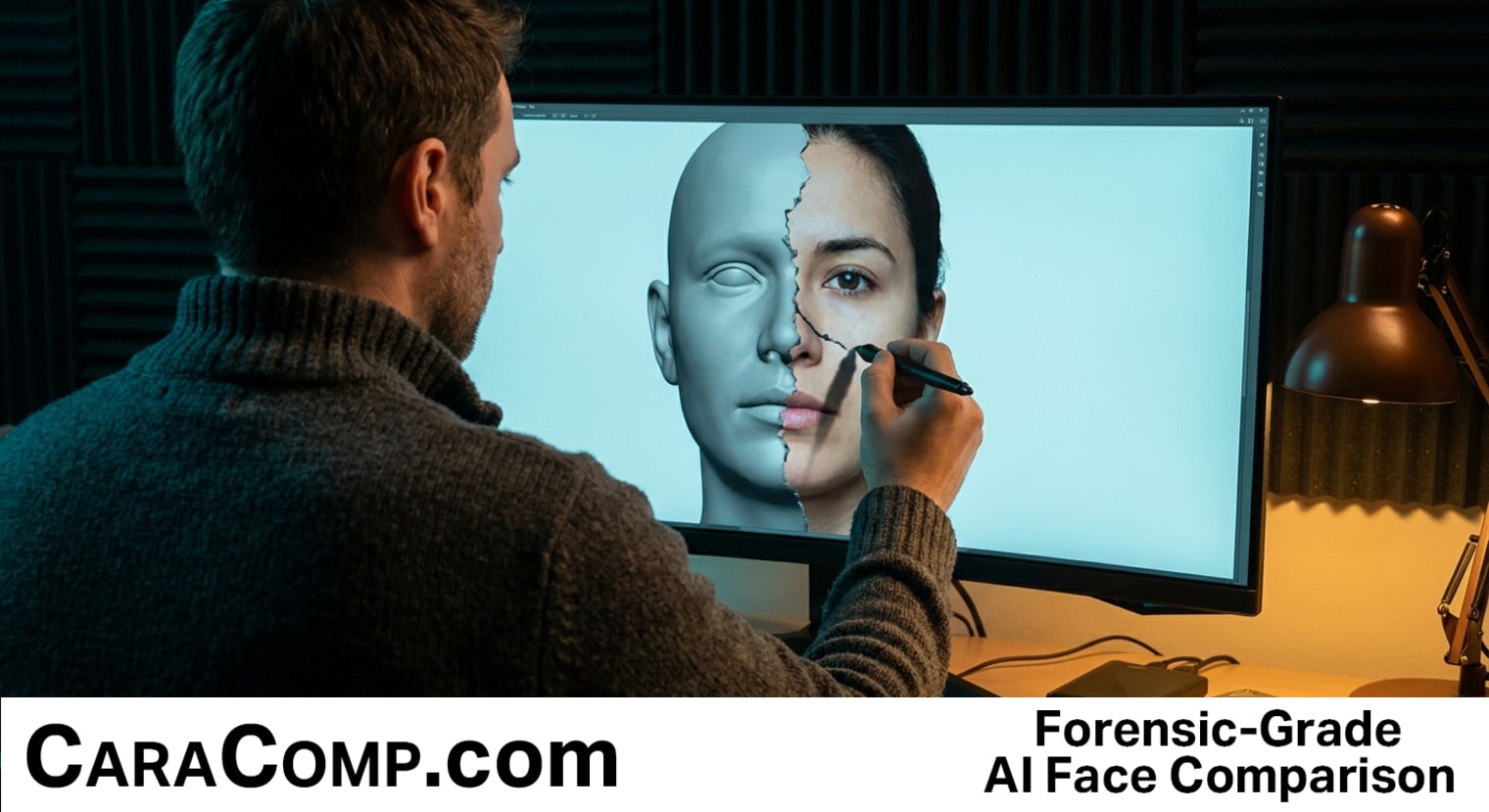
Hollywood just proved that your "gut feeling" about a video's authenticity is officially a liability. When the production team behind the series Ted realized that no amount of professional makeup or traditional CGI could transform Seth MacFarlane into Bill Clinton—simply because their skull structures didn't match—they didn't give up. They turned to layered AI pipelines to bridge the structural gap. This isn't just a win for visual effects; it’s a warning shot for every private investigator and OSINT professional currently relying on manual visual checks to verify identity.
The transition from "masks" to "math" is complete. The old-school red flags we used to teach—looking for blurry ears, mismatched lighting, or unnatural blinking—are relics of a simpler time. Today, high-end synthetic media is built through separate pipelines of motion and appearance, fused together with a level of temporal coherence that defies the naked eye. If a studio with an $8 million-per-episode budget is using these tools to bypass human detection, investigators can no longer afford to be the last ones to adopt advanced verification technology.
For the solo PI or the insurance fraud investigator, this raises the stakes for every piece of digital evidence. You aren't just fighting a liar anymore; you’re fighting a layered computational model designed to fool the human brain. This is exactly why we champion facial COMPARISON over simple recognition. You need the ability to take your case photos and run a Euclidean distance analysis to see if the underlying geometry holds up, regardless of the visual "noise" or synthetic layers added to the source material. When a $10M budget is aimed at deceiving the eye, "I know it when I see it" is a recipe for a blown case and a ruined reputation.
- Visual "red flags" are officially obsolete: Modern synthetic video has moved past the surface-level glitches that PIs used to look for; detection now requires structural, side-by-side analysis.
- Skull structure is the new fingerprint: Because AI can now bridge the gap between different facial geometries, investigators must use tools that measure the math behind the face, not just the pixels.
- Enterprise-grade math is no longer optional: To provide court-ready results that stand up to synthetic deception, solo investigators must move away from manual comparison and toward affordable Euclidean distance analysis.
Investigators who stick to manual photo comparison are essentially bringing a knife to a drone fight. The only way to maintain your edge is to rely on objective reporting that measures the structure your eyes can’t see. If Hollywood can fake a President, they can certainly fake your subject—unless you have the tech to prove otherwise.
Read the full article on CaraComp: That Video Of Your Boss? Six Cameras And A Lie You Can't See.


Comments
Post a Comment