That "Urgent" Video From Your Boss? Your Eyes Can't Catch the Fake — Here's What Can
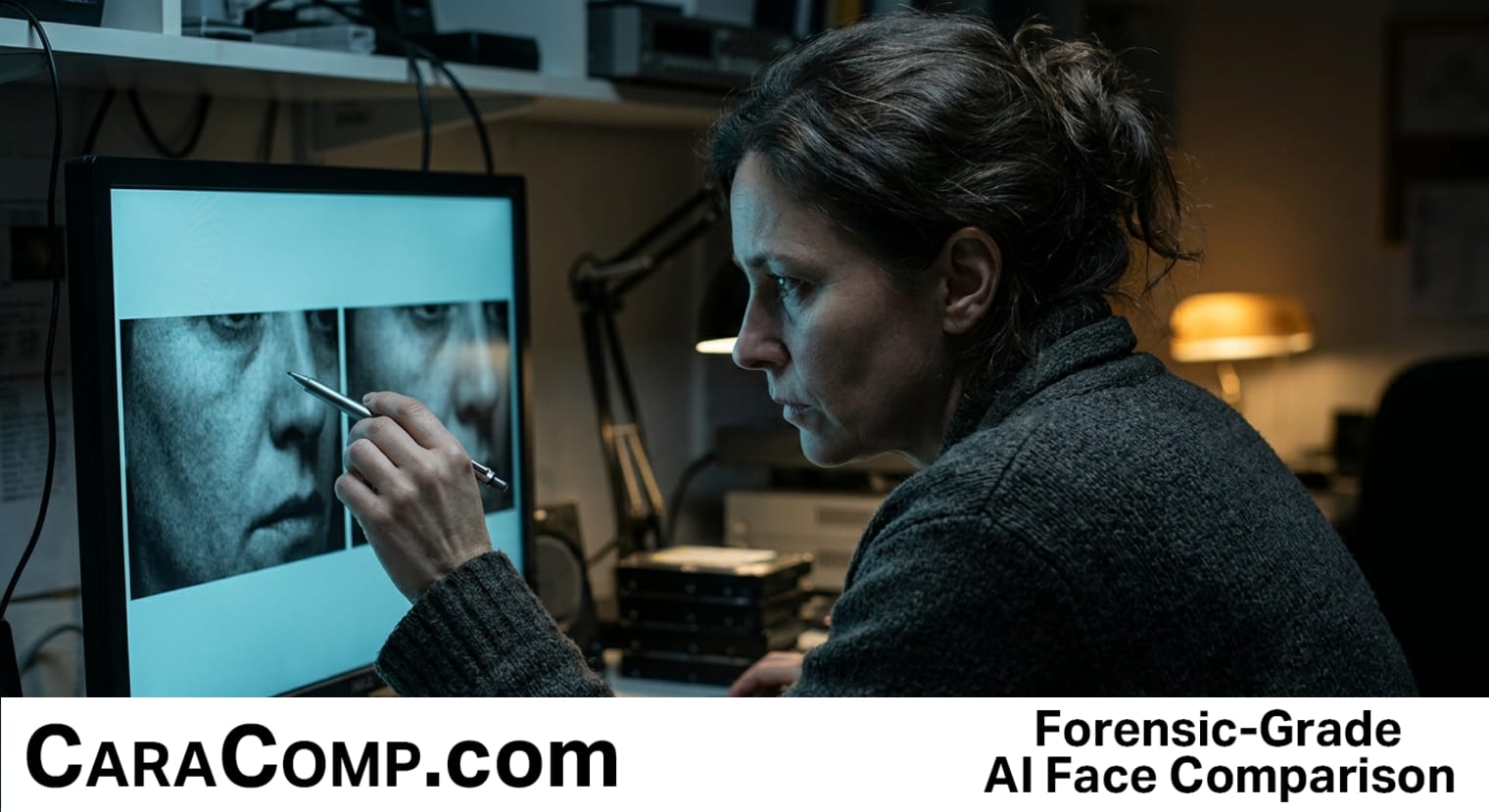
Stop looking at the face. If you are trying to spot a deepfake by squinting at a mouth or a hairline, you have already lost the game. The most sophisticated forgery detection today isn’t focused on whether a subject looks "real"—it is focused on whether the physics of light and the timing of a blink remain consistent across every single frame. For the modern investigator, relying on a gut feeling is no longer a viable methodology; it is a professional liability.
The reality is that deepfake generators are specifically optimized to fool human perception. They capitalize on our evolutionary bias to read faces. While an investigator might spend hours manually reviewing footage, they are likely to miss the subtle specular reflection errors or the impossible lighting shifts that occur between frames. This is where the gap between the manual investigator and the tech-savvy professional becomes a chasm. In the courtroom or a high-stakes insurance fraud case, "it looked fake to me" won't hold up. You need a standard investigative methodology backed by data.
This news highlights a critical shift in our industry: the move from visual intuition to Euclidean distance analysis. Whether you are a solo private investigator or an OSINT researcher, the ability to perform side-by-side facial comparison with mathematical precision is the only way to safeguard your reputation. When a compressed, low-quality video hits your desk, the forensic fingerprints are often mangled. In these cases, slowing the problem down and using professional-grade facial comparison to analyze high-quality still frames is the only way to provide court-ready results that actually close cases.
- Visual intuition is a liability: Human eyes are trained to see what they want to see, making them the least reliable tool for detecting AI-generated inconsistencies in lighting and movement.
- Physics-based analysis is the new gold standard: Effective verification requires looking at frame-to-frame data points that generators cannot yet sustain over time, moving beyond simple "vibe-based" checks.
- Professional tools are the only shield against reputation damage: As social media compression erases forensic traces, investigators must utilize enterprise-grade facial comparison to verify identities before reaching a conclusion.
The field is changing fast. If you're still relying on manual methods or unreliable consumer search tools, you’re not just wasting time—you’re risking a critical miss on a case. High-caliber investigation technology isn't just for federal agencies anymore; it's a prerequisite for any investigator who wants to remain respected, efficient, and ahead of the curve in a digital-first world.
Read the full article on CaraComp: That "Urgent" Video From Your Boss? Your Eyes Can't Catch the Fake — Here's What Can


Comments
Post a Comment