That "Quick Age Check"? It Just Took Your ID, Face, and Birthday.
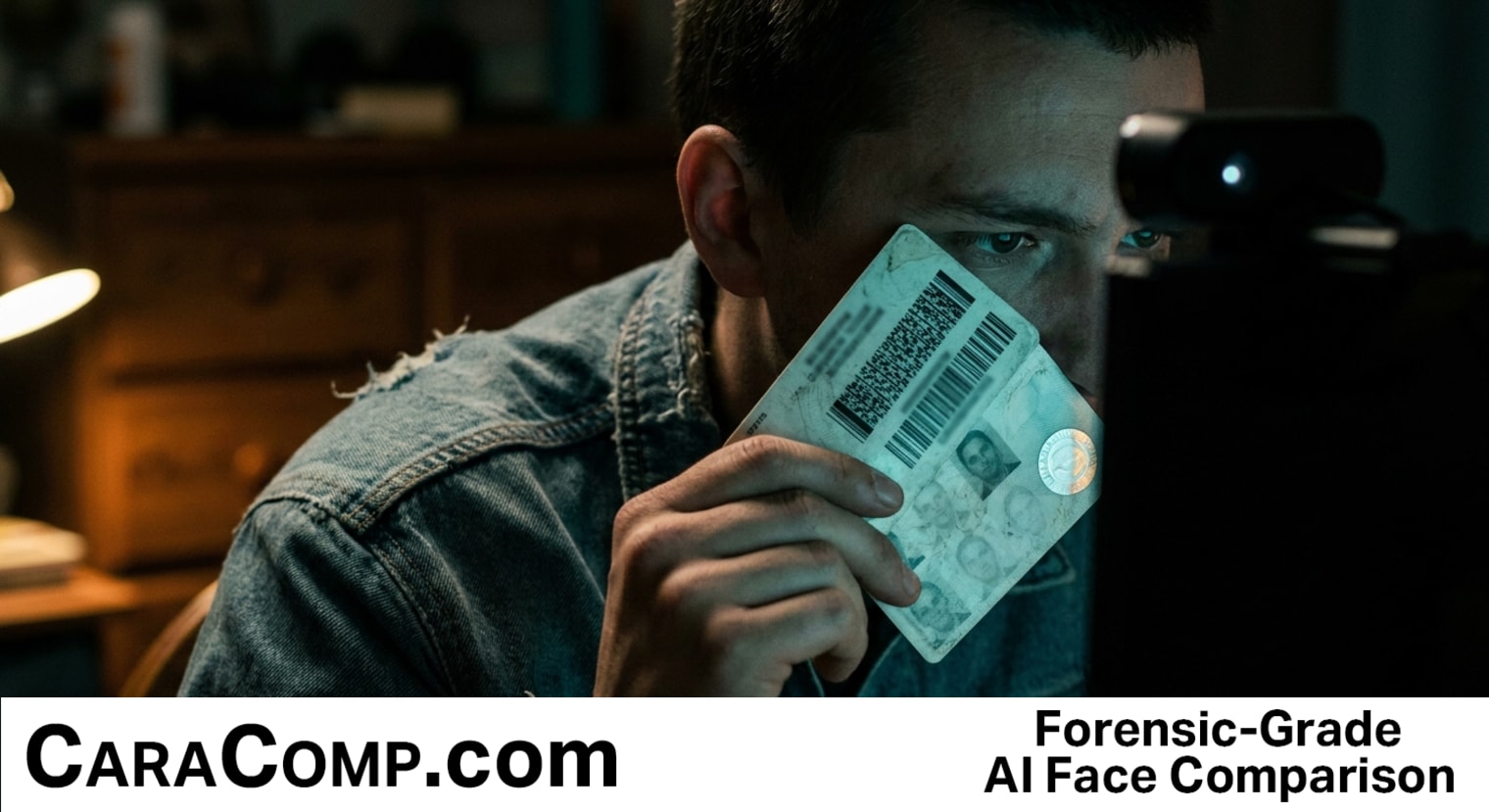
If a website asks for your driver’s license and a selfie just to prove you’re 18, they aren’t verifying your age—they are harvesting your identity. For those of us in the investigative and OSINT fields, we know the difference between a legitimate biometric check and a predatory data grab, but the general public is being conditioned to hand over their most sensitive credentials under the guise of "safety."
The real scandal buried in these "age gates" is that the technology to avoid this data over-collection already exists. Modern AI can estimate age with up to 98% accuracy using nothing but facial analysis. This is a simple mathematical check that requires no names, no birthdates, and no government ID numbers. Yet, platforms continue to demand full identity documents, blurring the line between a simple "yes/no" age confirmation and a permanent digital profile that follows a person forever.
From the perspective of a professional investigator, this "function creep" is a massive liability. At CaraComp, we focus on the science of facial comparison—using Euclidean distance analysis to determine if two images represent the same individual. This is a targeted, professional methodology used to close cases. In contrast, many of these online age verification systems are essentially unmanaged honeypots of sensitive data, ripe for breach and exploitation.
For solo PIs and OSINT researchers, understanding this distinction is a major competitive advantage. You need to know when a biometric marker is reliable and when a database is just a liability. As the industry moves toward more "secure" gates, the savvy investigator realizes that true facial analysis is about the geometry of the face, not the data printed on a plastic card. We are entering an era where the face itself is the credential, but only if you have the right tools to analyze it without the enterprise-level price tag.
- The "Verification" Deception: Most platforms use "age verification" as a pretext for identity collection, creating massive security risks and making identity spoofing a more lucrative target for bad actors.
- Biometric Accuracy vs. Necessity: Since AI can reliably answer "is this person an adult?" with 98% accuracy using only pixels, the demand for government IDs is becoming an outdated, high-risk practice that investigators must monitor.
- Professional Standard of Analysis: High-level Euclidean distance analysis is the gold standard for evidence. Investigators should rely on scientific comparison tools rather than trusting the "verified" labels provided by poorly regulated third-party platforms.
Stop letting manual comparison and outdated "verification" protocols slow down your case analysis. The future of the industry belongs to those who understand the math behind the face.
Read the full article on CaraComp: That "Quick Age Check"? It Just Took Your ID, Face, and Birthday.


Comments
Post a Comment