That Panicked Call From Your Kid? 3 Seconds of TikTok Is All a Scammer Needs
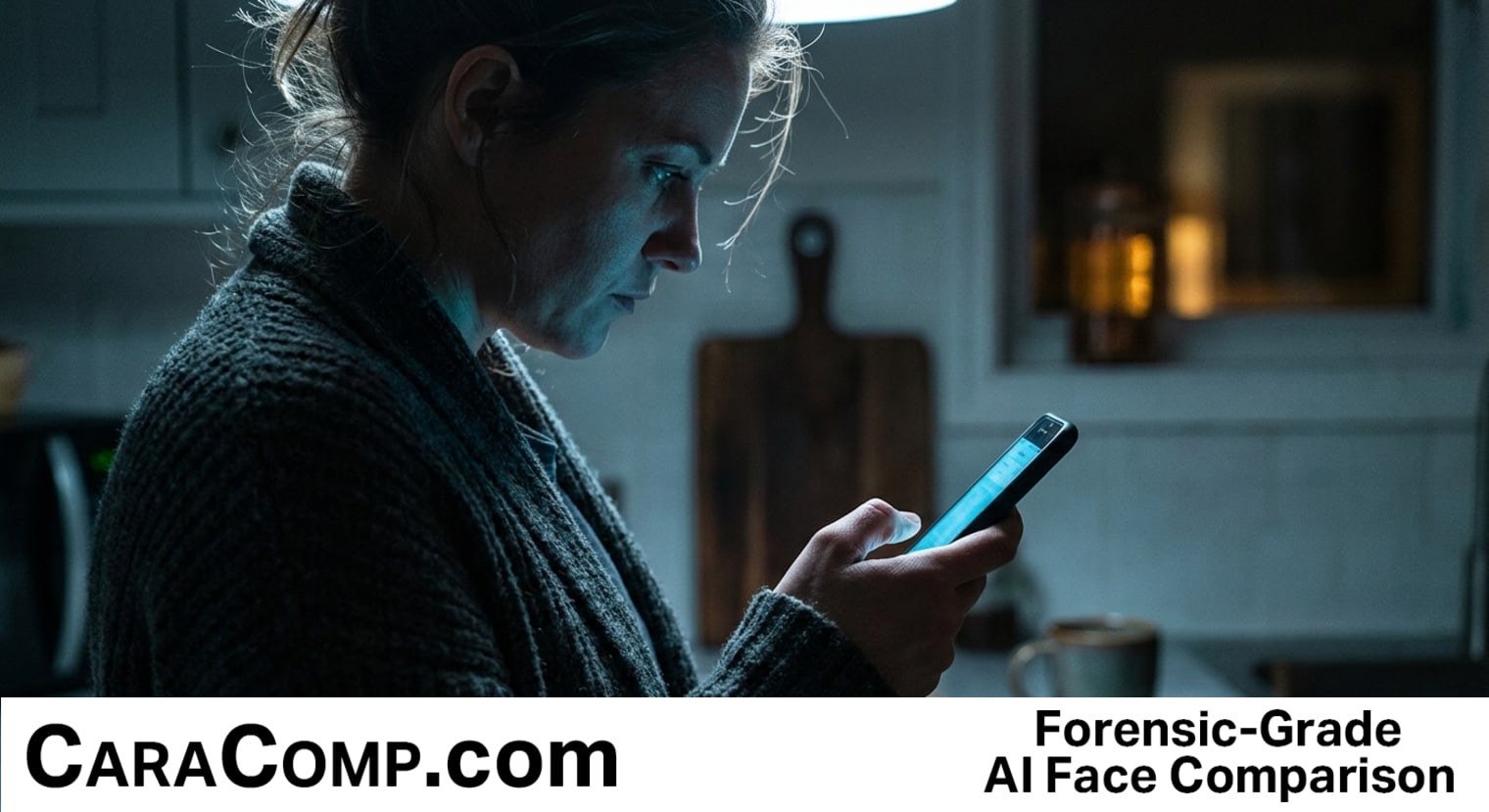
Your kid’s latest TikTok isn’t just social currency—it’s a high-fidelity blueprint for a $15,000 ransom scam that your ears are biologically incapable of detecting. For years, investigators relied on the "gut feeling" of a witness or a family member to verify identity. That era ended the moment AI voice cloning reached the three-second threshold. If a scammer can scrape a few seconds of audio from a public profile, they own that person’s digital identity, including the emotional tremors that make a "panicked" call feel disturbingly real.
From an investigative standpoint, this represents a massive shift in how we handle OSINT and fraud cases. We are moving toward a world where biometric data is being commodified and weaponized at scale. When a "trusted" voice can be synthesized for the price of a streaming subscription, the sound of a voice is no longer evidence—it’s just data that requires a secondary layer of verification. For private investigators and insurance fraud units, this heightens the need for tools that don't rely on subjective human intuition, which we now know is easily manipulated by emotional triggers.
At CaraComp, we see this as the flip side of the same coin. While scammers use generative AI to mimic identity, professional investigators must use analytical AI to verify it. Whether it’s a voice or a face, the "human eye test" is failing. This is why we lean so heavily into Euclidean distance analysis for facial comparison. You can't trust your gut when a mother can't even distinguish her own son from a digital clone. You need mathematical certainty—comparing the fixed geometry of a person’s features to determine if who you’re looking at (or listening to) is the real deal or a synthetic fabrication.
- The death of the "Ear Witness": Human auditory recognition is officially compromised; investigators must now treat all "familiar" voice interactions as unverified until cross-referenced with hard data.
- Social media is the new biometric library: Every public post is a potential training set for identity theft, making OSINT both a tool for investigators and a goldmine for bad actors.
- Verification must be mathematical: To combat high-fidelity fakes, professionals must move away from "it looks/sounds like them" toward enterprise-grade analysis that measures physical markers.
The solution isn't to stop using tech—it’s to use better tech than the scammers. If you're still relying on manual comparison in an age of automated synthesis, you're not just behind the curve; you're a liability to your clients. It’s time to bridge the identity gap with tools built for the modern threat landscape.
Read the full article on CaraComp: That Panicked Call From Your Kid? 3 Seconds of TikTok Is All a Scammer Needs


Comments
Post a Comment