That Frantic Call From Your Kid? It Might Be a Scammer With 3 Seconds of Their Voice.
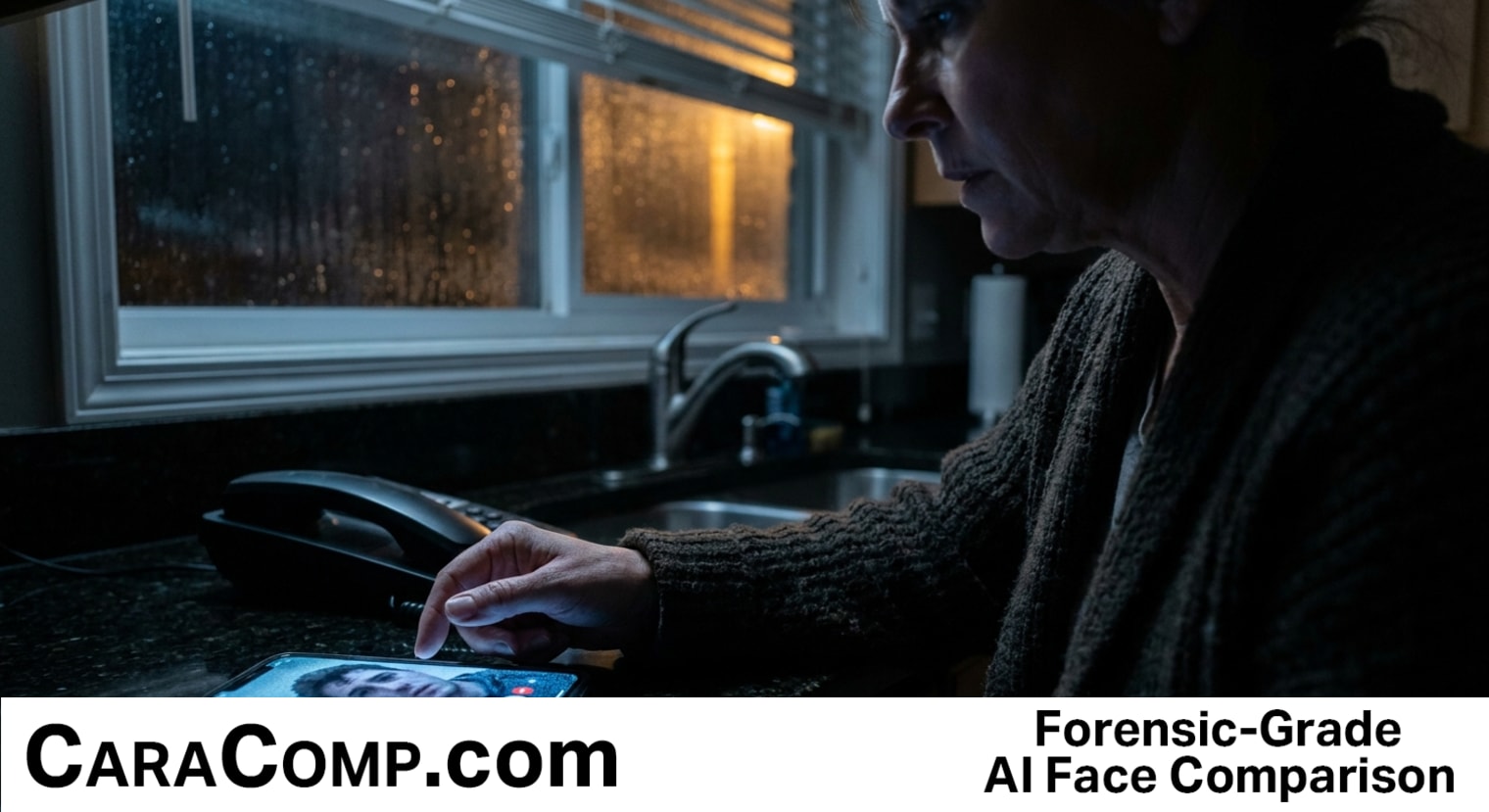
Your daughter’s voice on the other end of the line isn't just familiar—it’s visceral. But today, that three-second clip of her laughing on TikTok is all a scammer needs to clone her vocal cords, simulate a kidnapping, and drain your bank account before you even think to check her location. We have officially crossed the "indistinguishable threshold," where AI-generated fakes are no longer "good enough" to fool the naive; they are realistic enough to bypass the biological instincts of the most skeptical investigators.
For those of us in the investigative and OSINT community, this isn't just a "scary story" for the evening news. It’s a fundamental shift in how we verify identity. When voice phishing spikes by over 400% in a single year, the traditional "eyeball test" for evidence is effectively dead. If a scammer can synthesize a CEO’s voice to authorize a million-dollar wire transfer, or a fake persona can sustain a months-long romance scam using AI-generated avatars, the manual methods most solo private investigators use are now dangerously obsolete.
The problem isn't just the existence of the fake; it’s the speed at which these assets are being deployed. We’re seeing a vertical wall of synthetic fraud, with millions of deepfakes circulating that no longer have the "tells" we used to look for—the blurry jawlines and unnatural blinking are gone. As investigators, we can no longer rely on looking for "weird hands." We need to rely on the math. This is where Euclidean distance analysis becomes the only shield against synthetic deception. By comparing the fixed geometric realities of a face rather than the "vibe" of a photo, we can separate a legitimate subject from an AI-generated mask.
- The Burden of Proof Has Shifted: In an environment where "seeing is believing" no longer applies, investigators must move toward quantifiable, biometric verification that can stand up in a court-ready report.
- The Death of Manual Comparison: Spending hours side-eyeing two photos is a liability. If you aren't using enterprise-grade analysis to verify subjects, you risk your reputation on a high-tech hallucination.
- Verification Must Be Multi-Modal: Identity is now a puzzle that requires both digital context and forensic comparison to solve.
The infrastructure of fraud has evolved. It’s time for the solo investigator’s toolkit to do the same.
Read the full article on CaraComp: That Frantic Call From Your Kid? It Might Be a Scammer With 3 Seconds of Their Voice.


Comments
Post a Comment