That 94% Facial Recognition Match? The Camera Already Lied.
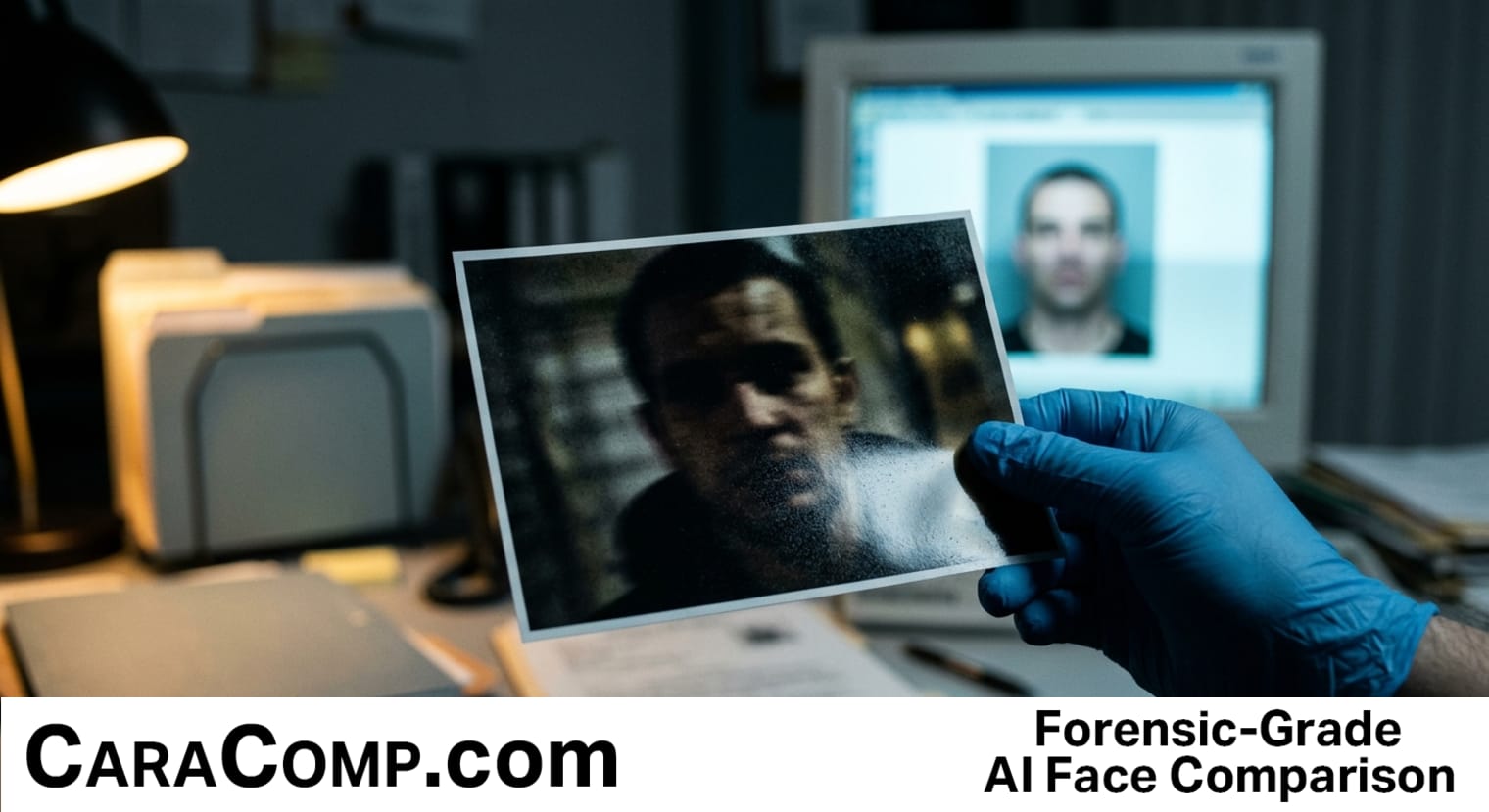
That 94% confidence score staring back at you from your screen? It might be a total fabrication. Most investigators are trained to trust the algorithm, but the hard truth is that the math is often sabotaged before the software even boots up. If the lighting is off, the angle is steep, or the camera sensor is subpar, the resulting "match" is nothing more than a high-tech guess. For the solo private investigator or OSINT researcher, relying on these numbers without understanding the "capture gap" is a professional liability waiting to happen.
We see it constantly in the field: an investigator pulls a grainy frame from a doorbell cam or a poorly lit parking lot feed and expects enterprise-grade results. But facial comparison isn't magic; it’s Euclidean distance analysis. If the source image is garbage, the comparison is compromised. While the industry bickers over algorithmic bias, they’re missing the point. The real bias starts with physics—how light hits a face and how a sensor records it. If you aren't using tools that allow you to see the side-by-side comparison yourself, you’re just a passenger in someone else’s broken vehicle.
At CaraComp, we believe the investigator should be the one in the driver's seat, not a black-box algorithm. This is why professional-grade facial comparison is moving away from "trust the number" toward "verify the data." You need tools that provide court-ready reporting and batch processing so you can analyze the environmental variables yourself. The era of blind faith in a "match score" is over; the future belongs to the investigator who understands the science of the source image.
- Source image quality is the ultimate "veto" power — No amount of AI can fix a face captured at 1 lux or a 45-degree downward angle; if the capture is skewed, the match score is effectively meaningless.
- Comparison is methodology, not surveillance — Shifting the focus from scanning crowds to side-by-side Euclidean analysis protects the investigator’s reputation and ensures results actually hold up under scrutiny.
- Accessibility is changing the power dynamic — Solo PIs no longer need five-figure enterprise contracts to access the same analysis used by federal agencies, but they must pair that tech with a critical eye for capture bias.
Don't let a confidence score dictate your case strategy. The camera might lie, but a disciplined side-by-side comparison doesn't. It’s time to stop looking for a "magic button" and start using tools that respect the complexity of the investigation.
Read the full article on CaraComp: That 94% Facial Recognition Match? The Camera Already Lied.


Comments
Post a Comment