Sick Kid, Dead Scanner: When Your Fingerprint Becomes Your Only Way Into the Clinic
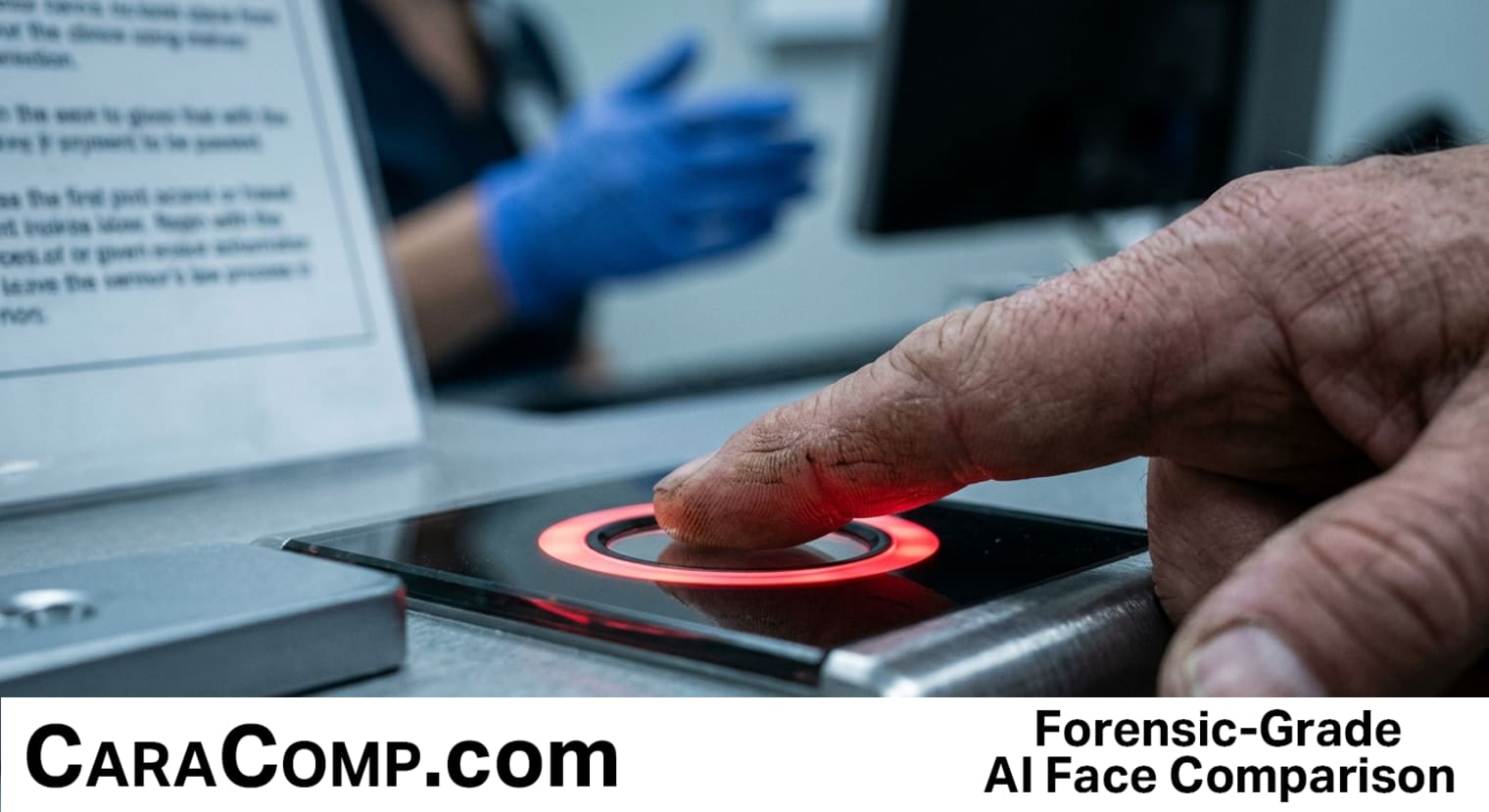
If you think your manual photo comparison process is "good enough" for your next insurance fraud case, you are officially behind the tech curve of a rural clinic in Turkana County, Kenya. While many solo private investigators in the West are still squinting at grainy photos to spot a match, 167 health facilities in one of the most remote regions on earth just shifted to biometric identity verification to kill healthcare fraud once and for all. The message to the investigative community is clear: biometrics are no longer a futuristic "nice-to-have"—they are the new baseline for truth.
The Turkana rollout highlights a massive shift in how we handle identity. By ditching flimsy SMS codes for facial and fingerprint comparison, they are proving that physical characteristics are the only "passwords" that can't be shared or stolen. For OSINT researchers and PIs, this news is a double-edged sword. It validates the technology we use every day, but it also exposes the massive "identity gap" in our own industry. Most investigators are stuck between two bad options: unreliable consumer search tools that wouldn't hold up for five minutes in a deposition, or enterprise-grade software that costs more than their annual office rent.
At CaraComp, we see this Turkana deployment as a wake-up call. If a sub-county can implement facial comparison at scale to protect their resources, a professional investigator has no excuse for relying on manual "eyeballing" or low-tier search engines. The challenge isn't the technology itself—Euclidean distance analysis is a proven science—it is the accessibility. We believe that the same tech used to secure 167 clinics should be in the hands of every solo detective without a government-sized budget.
- Biometric comparison is becoming the global standard for fraud prevention: As healthcare systems and government agencies adopt these tools, investigators who don't use professional-grade comparison software will lose credibility with clients and the courts.
- The "Price Barrier" is officially a myth: You don't need a $2,000-a-year enterprise contract to get court-ready results; the democratization of AI means the best tech is now accessible to the solo practitioner.
- Accuracy is the only currency that matters: Whether in a Kenyan clinic or a domestic surveillance operation, a tool's reliability determines its value. Relying on "hit-or-miss" consumer apps is a professional liability.
The future of investigation isn't about working harder; it’s about having the same caliber of technology as the big agencies. If you’re still comparing faces manually, you aren't just wasting time—you’re falling behind a global standard that is moving faster than you think.
Read the full article on CaraComp: Sick Kid, Dead Scanner: When Your Fingerprint Becomes Your Only Way Into the Clinic


Comments
Post a Comment