"Mom, These Bad Men Have Me" — The 10-Second Phone Call Emptying Family Bank Accounts
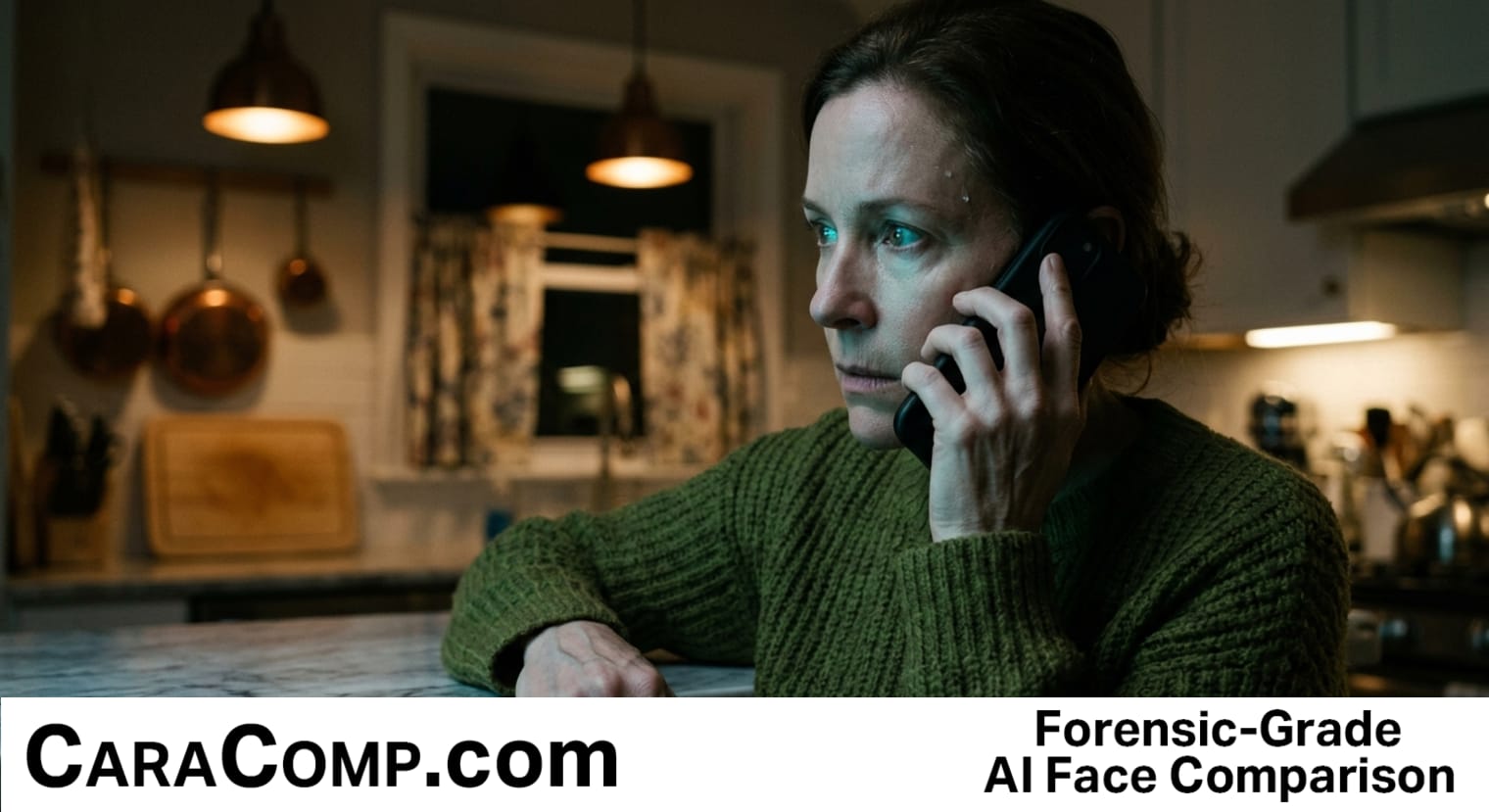
A 10-second clip from a TikTok video is now all a threat actor needs to bypass a lifetime of parental instinct. The recent nightmare of Jennifer DeStefano—who heard her daughter’s sob-filled plea for help while the girl was safely upstairs—signals the definitive death of audio-only trust. For the investigative community, this isn't just a terrifying headline; it is a fundamental shift in how we must approach identity verification in the field. When the human ear can no longer distinguish between a biological child and a synthetic clone, the "gut feeling" is officially retired as a reliable investigative tool.
For private investigators, OSINT researchers, and law enforcement, this surge in voice cloning proves that we are entering a "verification-first" landscape. Scammers aren't just targeting families; they are targeting our cognitive biases. They use urgency to prevent the one thing that defeats them: cold, hard analysis. As professionals, we cannot afford to fall for the same psychological traps. While the consumer world is being told to use "code words," the professional world must double down on biometric ground truths. When audio becomes a liability, visual facial comparison becomes the only resilient method of establishing a chain of custody for a person’s identity.
The gap between "feeling" a match and "calculating" a match is where cases are won or lost. Whether you are handling insurance fraud or a complex skip-tracing operation, the reliance on manual comparison is becoming a professional risk. We need to move toward methodology that utilizes Euclidean distance analysis to strip away the emotional manipulation of deepfakes and clones.
- Biometric verification is shifting from a specialized niche to a baseline requirement for every modern investigation.
- Visual evidence remains the most resilient ground truth, making professional-grade facial comparison tools more essential than "proof of life" audio.
- The "Identity Gap" is widening, requiring solo investigators to adopt enterprise-grade analysis to maintain credibility in court.
The voice on the other end of the line is no longer evidence; it is a suggestion. In an environment where the amygdala is being hijacked by 10-second audio loops, the investigator’s role is to remain the objective observer who relies on technology that can’t be fooled by a sob story. The spell of the deepfake is broken only by the rigor of side-by-side, professional comparison.
Read the full article on CaraComp: "Mom, These Bad Men Have Me" — The 10-Second Phone Call Emptying Family Bank Accounts


Comments
Post a Comment