Fingerprint, Face, Iris, Palm: 4 Things "Biometric Scan" Really Means Before You Hand Yours Over
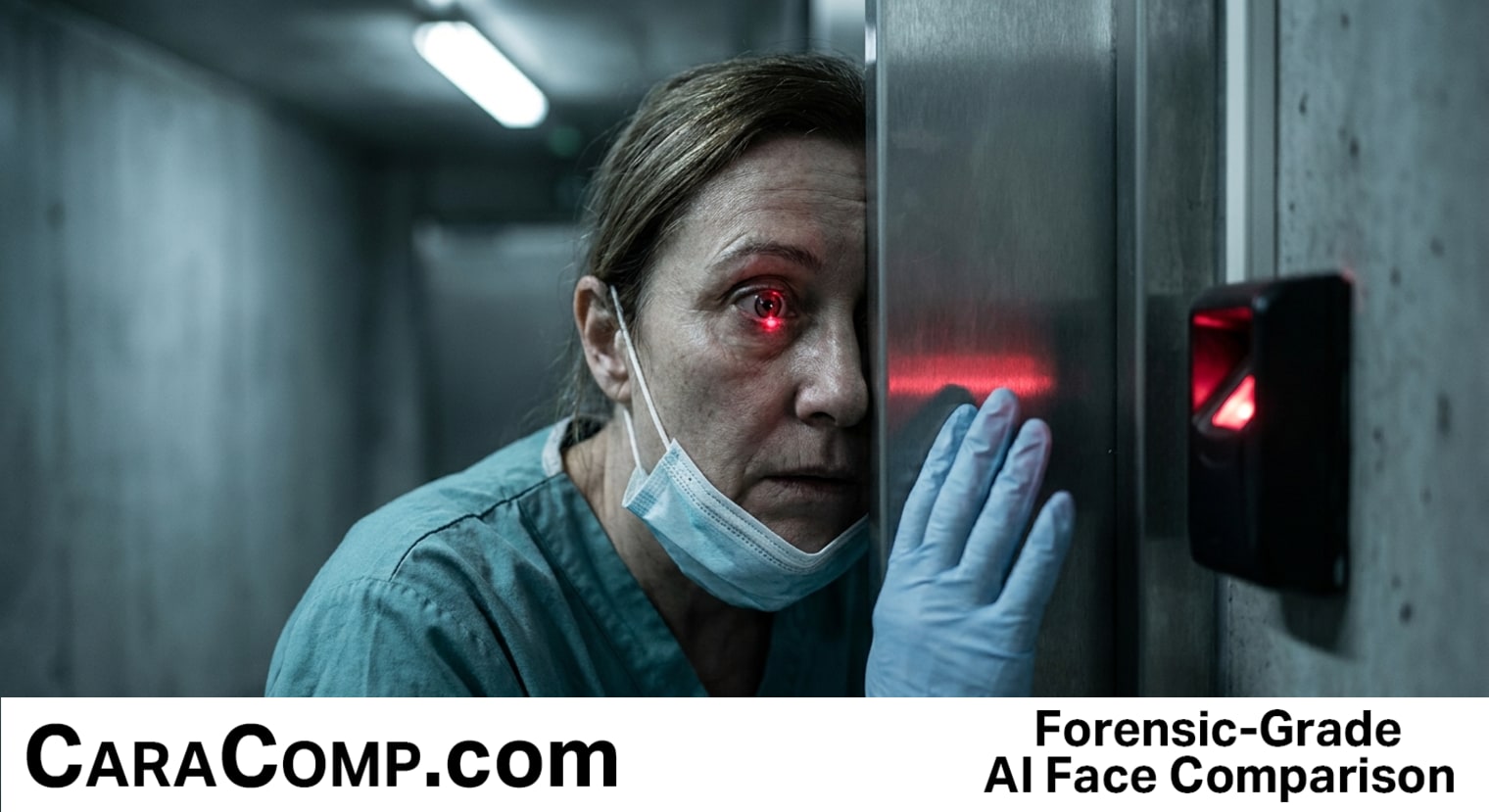
If you’re still using the word "biometrics" as a catch-all in your case files, you’re practically handing the opposing counsel a reason to throw out your evidence. The industry is projected to hit a staggering $95 billion by 2030, but for the boots-on-the-ground investigator, the growth isn't nearly as important as the distinction between the technologies. Treating a facial comparison like a fingerprint scan is a rookie mistake that ignores the fundamental science of identity verification.
As investigators, we live and die by the reliability of our tools. The "biometric" umbrella covers everything from the 2% error rates of legacy fingerprinting to the hyper-precise 0.1% error rates of iris recognition. However, for most private investigators and OSINT professionals, the high-stakes game isn't about scanning irises at a border crossing—it’s about side-by-side facial comparison. This is where the industry often fails the solo practitioner. Enterprise-grade tools try to sell you the world at a $2,000 annual price point, conflating simple image analysis with mass surveillance tech that you don't need and shouldn't be paying for.
The real shift in the market is the move toward "contactless" modalities, which are growing faster than any other segment. This is exactly where facial comparison shines. By utilizing Euclidean distance analysis—measuring the precise geometric relationships between facial features—investigators can achieve the same caliber of results used by federal agencies without the "Big Brother" overhead. The future of field work isn't about tracking people; it’s about the scientific comparison of the photos you already have in your case file.
- Credentialing and Admissibility: Understanding the difference between biometric modalities is critical for court-ready reporting. If you can’t explain why you chose facial comparison over other methods, your professional credibility is at risk.
- Cost of Precision: The 79% jump in market value is being driven by high-cost enterprise contracts. Solo PIs must look for tools that offer specific Euclidean analysis rather than paying for broad "biometric suites" designed for government agencies.
The takeaway for the modern investigator is clear: Stop buying into the hype of "biometrics" as a monolith. Focus on the specific modality that closes cases. Facial comparison is a standard investigative methodology, and with the right tech, it no longer requires an enterprise budget to get enterprise-level accuracy.
Read the full article on CaraComp: Fingerprint, Face, Iris, Palm: 4 Things "Biometric Scan" Really Means Before You Hand Yours Over


Comments
Post a Comment