Europe Didn't Ban AI — It Built a 4-Floor Cage. Here's Which Floor Yours Lives On.
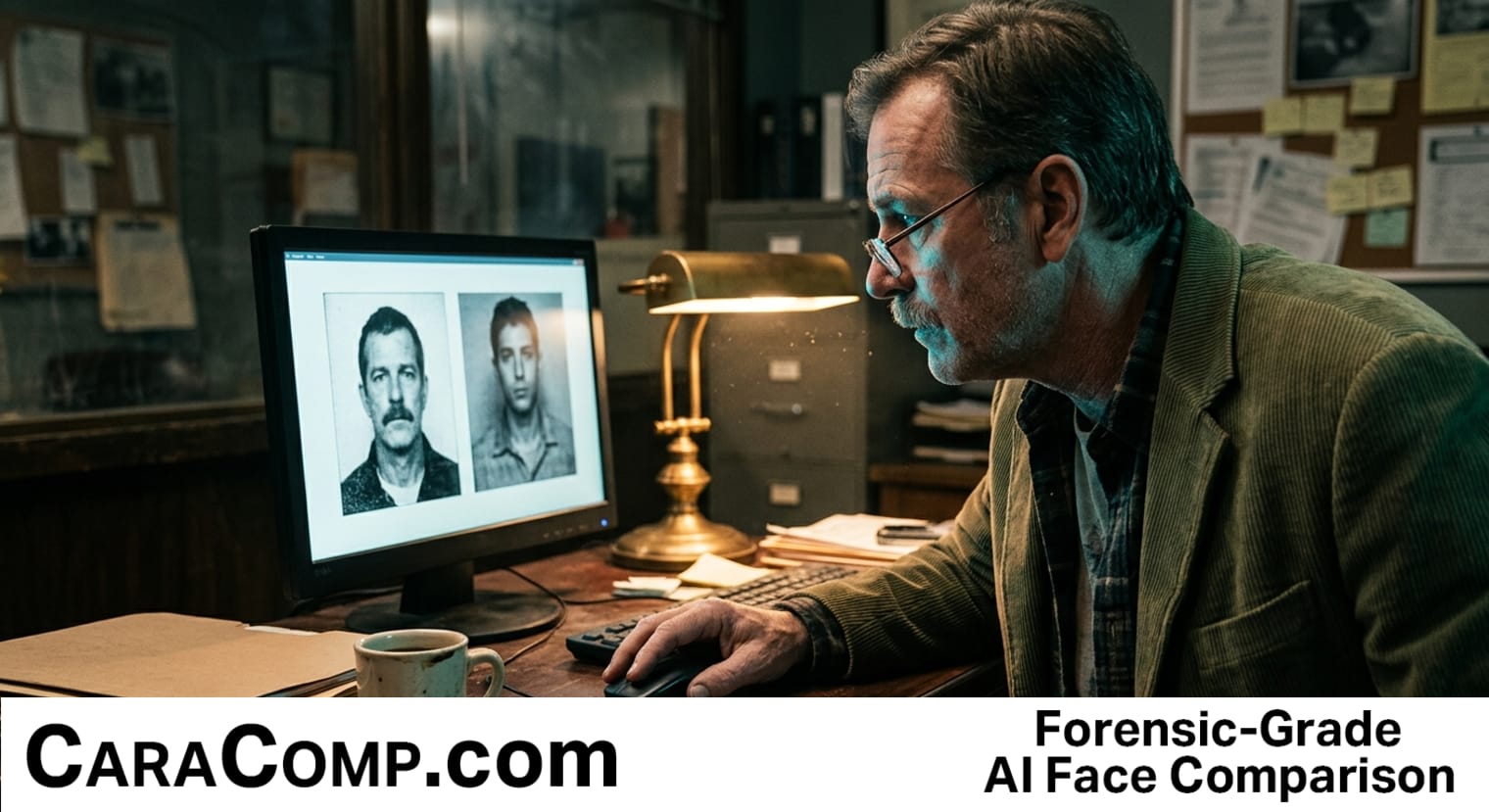
The headlines scream that Europe has effectively killed facial recognition, but for the professional investigator, the EU AI Act actually did something far more useful: it created a roadmap that separates "black box" surveillance from legitimate forensic analysis. If you’ve been worried that AI regulation would strip the tools from your belt, you’re looking at the wrong floor of the cage. The law isn't a light switch; it’s a building code that finally validates professional methodology over mass monitoring.
Most observers miss the "invisible clause" that matters most to solo PIs and OSINT researchers. The law doesn't treat all face-matching the same. While mass-scanning a crowd in real-time is (rightfully) landing in the "Unacceptable Risk" bin, the core work of an investigator—comparing a subject's photo against a specific case file or a second image—is largely protected. This is the crucial distinction between biometric identification (the "big brother" scanning of strangers) and biometric verification (the "is this person the same as that person?" comparison).
For the investigator juggling insurance fraud cases or missing persons, this shift is a massive win. It cements Euclidean distance analysis as a standard investigative methodology rather than a surveillance tactic. The law isn't stopping you from closing cases; it’s stopping the unregulated, untargeted scraping of the public square. By focusing on comparison rather than mass scanning, professional tools are positioned to stay court-admissible while the unreliable consumer scrapers get tied up in Tier 1 bans and massive fines.
This regulation reinforces why professional-grade reporting is no longer optional. As we move toward the 2026 enforcement deadlines, the "trust me, it's a match" era is over. Investigators need tools that provide the technical receipts required by this new regulatory architecture, ensuring every match is backed by data that holds up under scrutiny.
- Facial comparison is legally distinct from mass surveillance. One-to-one verification for specific investigative purposes avoids the "unacceptable risk" bans that target real-time public scanning.
- Post-remote analysis remains a legal forensic powerhouse. Analyzing recorded footage after the fact is classified as "high-risk" but permitted, ensuring that investigators can still use AI to break cases wide open with proper oversight.
- Transparency is the new barrier to entry. Tools that cannot produce a professional, human-readable report will not survive the new transparency requirements for AI-assisted decision making in legal contexts.
Read the full article on CaraComp: Europe Didn't Ban AI — It Built a 4-Floor Cage. Here's Which Floor Yours Lives On.


Comments
Post a Comment