Your VPN Just Stopped Working — And 30 Countries Are Why
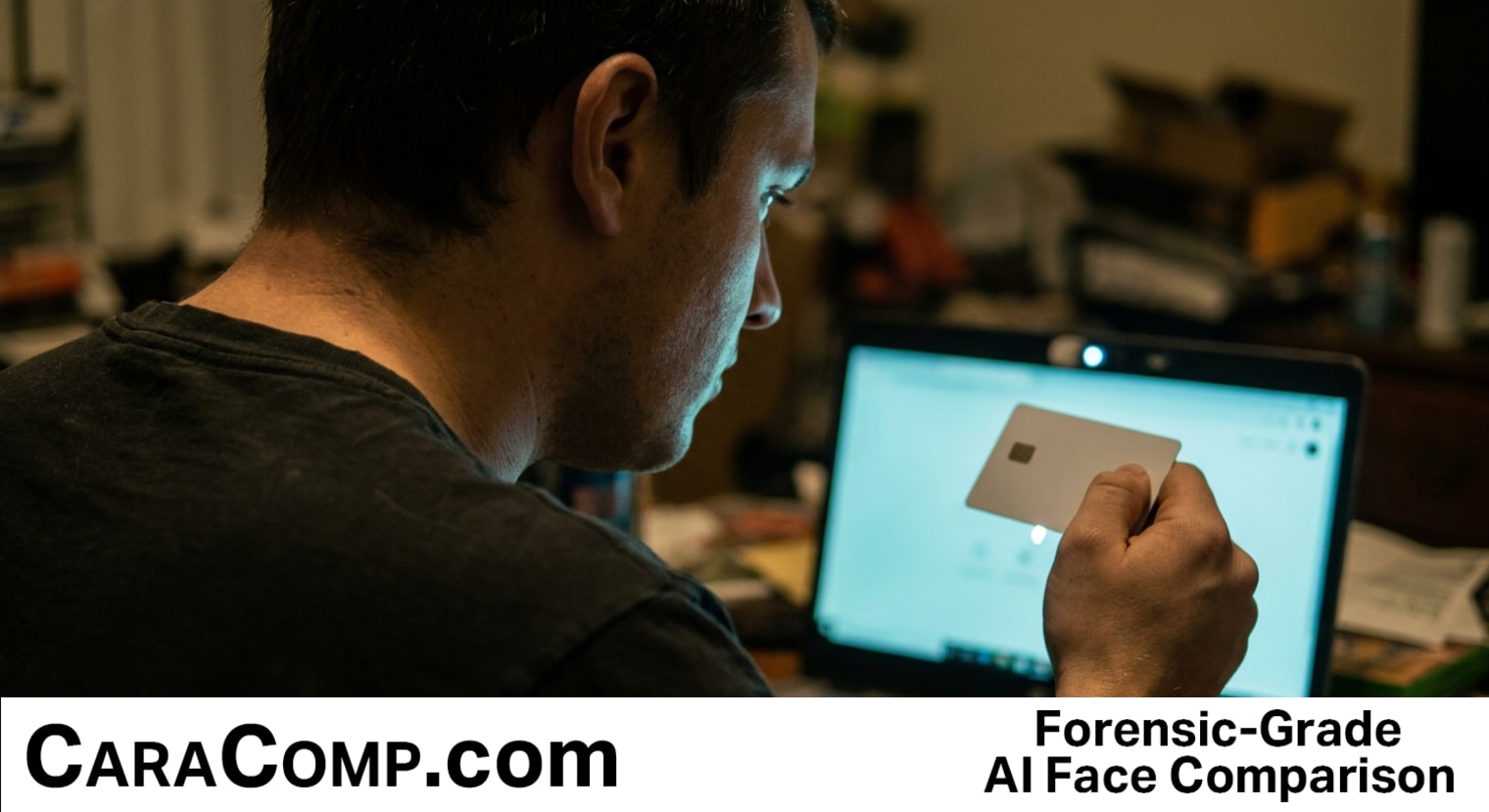
The "wild west" of anonymous digital interaction just hit a wall, and it's taking the VPN industry down with it. When Polymarket—the darling of decentralized prediction markets—flipped the switch to block VPNs and demand government-issued IDs, it wasn't just a regulatory pivot; it was a signal fire for every investigator on the planet. The internet's front door is officially being fitted with a biometric scanner, and if you aren’t prepared to analyze the faces behind these forced identity checks, you’re already behind the curve.
For private investigators, insurance fraud specialists, and OSINT professionals, this is a massive shift in the data landscape. We are moving from a world of "maybe" to a world of mandatory verification. As more apps follow this playbook to avoid being banned in dozens of countries, the amount of facial data—verification selfies, ID photos, and profile matches—is going to explode. This isn't just about gambling; it's about the normalization of facial comparison as a prerequisite for digital life.
If you're still manually squinting at low-resolution ID photos versus grainy social media profiles, you’re wasting the very time these new platforms are trying to save. The industry is rapidly moving toward Euclidean distance analysis as the benchmark for investigative reliability. This isn't about scanning a crowd for surveillance; it's about the surgical, side-by-side comparison needed to prove identity in high-stakes cases. When a platform demands a selfie to unlock an account, that photo becomes a critical piece of evidence for anyone tracking a subject.
- Identity friction is your new data source: As apps force users to upload real photos to bypass blocks, the "paper trail" for investigators becomes more visual. If you can't compare these photos with enterprise-grade accuracy, you're missing the most reliable link in the chain.
- Court-ready reporting is the new standard: Consumer-grade tools with poor reliability scores won't cut it when these verification photos become central to a case. Investigators need results that can be presented to clients or a judge with total confidence.
- Scalability is the only way to survive: With more platforms demanding IDs, the volume of facial data per case will triple. Manual comparison is no longer a viable business model for a solo PI or a small firm.
The pivot we’re seeing right now is a transition from broad surveillance to specific facial comparison. While the general public worries about their VPNs, the smart investigator is busy perfecting the way they analyze the biometric data that’s now being handed to them on a silver platter. The question isn't whether the data exists; it's whether you have the tools to prove it matches.
Read the full article on CaraComp: Your VPN Just Stopped Working — And 30 Countries Are Why


Comments
Post a Comment