Your $500K Home Closing Is the New Deepfake Target — And Nobody's Watching
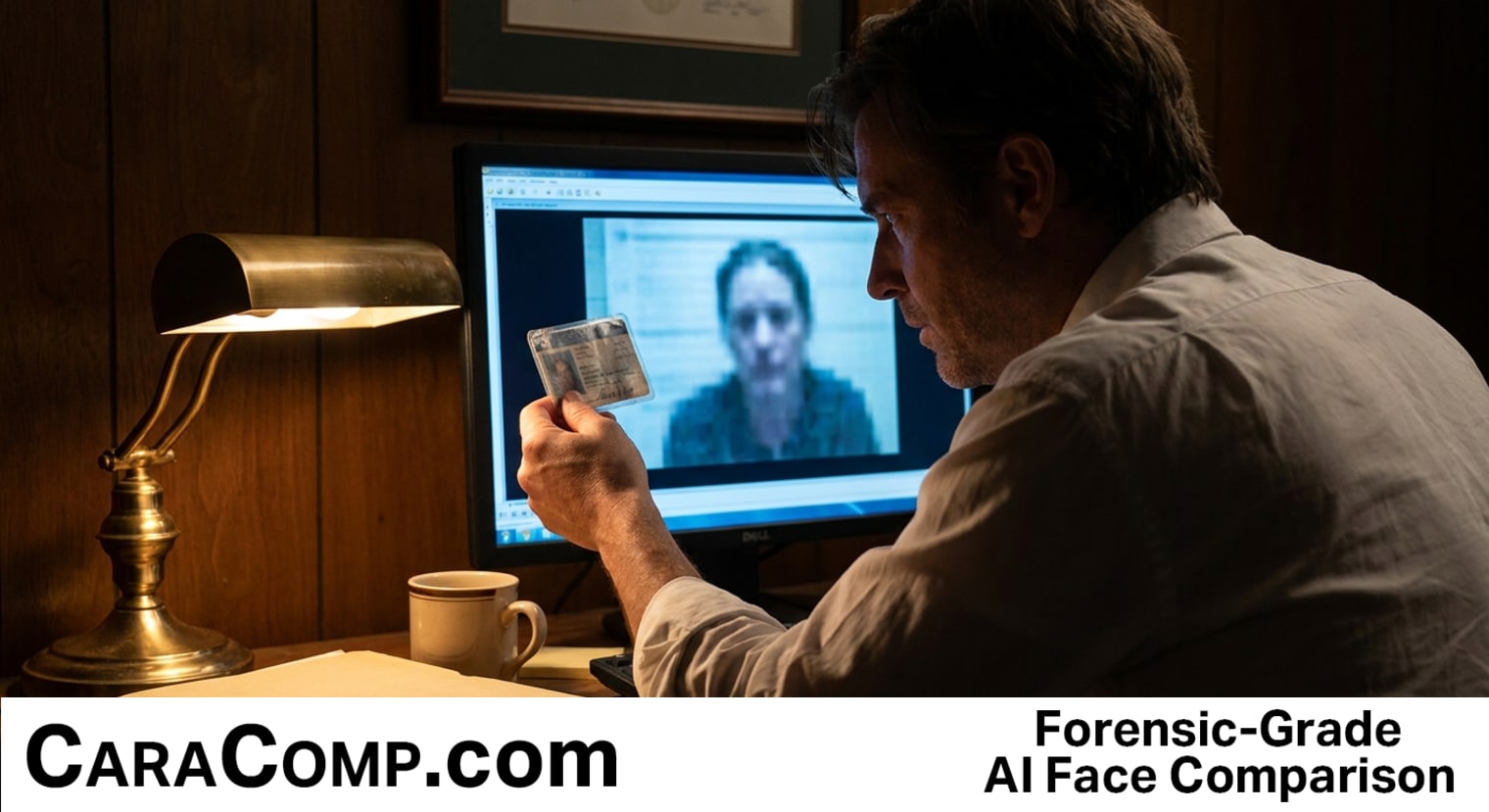
A $500,000 real estate heist doesn't require a master hacker or a breach of a federal database anymore. It just requires a 90-second video call and a convincing face-swap. While the media obsesses over viral celebrity deepfakes, the real financial carnage is happening in "boring" transactions—home closings, title transfers, and wire instructions where a single fabricated face can redirect a family’s life savings in seconds.
For the private investigators, OSINT researchers, and fraud specialists we work with, this news is a klaxon horn. The threat has shifted from public disinformation to private identity spoofing. The problem isn't just that the video is "fake"—it's that the person on the other end of the screen doesn't match the verified identity on the file. If you are still relying on a "gut feeling" or manual side-by-side photo checks to verify a subject, you are effectively bringing a knife to a drone fight.
The industry is at a crossroads. Many investigators feel priced out of the high-end biometric tools used by federal agencies, while cheap consumer search tools offer nothing but unreliable results and zero professional reporting. This leaves a massive "identity gap" that scammers are currently driving a truck through. To protect clients in high-value transactions, investigators must move beyond simple detection and embrace rigorous facial comparison. We’re talking about Euclidean distance analysis—the same math the big players use—to provide court-ready evidence that an identity is either authentic or a sophisticated fabrication.
Key Implications for Investigators:
- Transaction-level fraud is the new front line. Scammers have realized they don't need to fool the masses; they only need to fool one stressed professional during a high-pressure closing window.
- The "Detection vs. Comparison" distinction is critical. Knowing a video is AI-generated is only half the battle; proving the face doesn't match the person’s actual identity records is what closes cases and stands up in court.
- Professional reporting is no longer optional. As deepfake sophistication grows, investigators must provide objective, metric-based reports (like Euclidean distance scores) rather than subjective opinions to maintain their reputation.
The future of fraud investigation isn't about looking for "glitches" in a video call. It's about having the technical caliber to run a side-by-side comparison that proves identity—without the enterprise price tag.
Read the full article on CaraComp: Your $500K Home Closing Is the New Deepfake Target — And Nobody's Watching


Comments
Post a Comment