UK Just Spent £2M Spying on Benefit Claimants — With Zero Rules Governing How
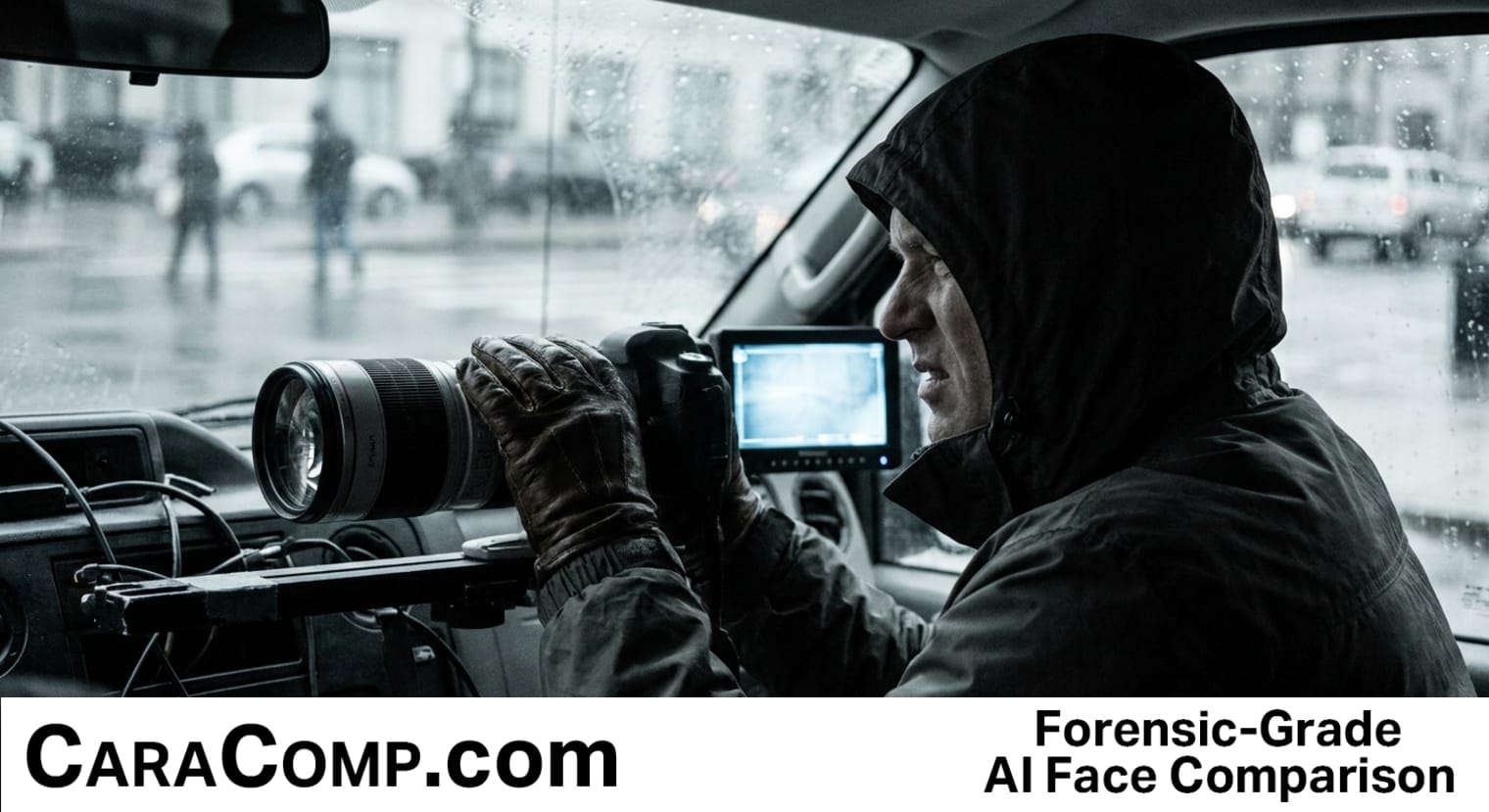
The UK government just greenlit a £2 million covert surveillance spend without a single rulebook in place to govern how that data is used. By deploying vehicle-mounted cameras to catch benefit fraud before establishing a legal threshold for their use, the Department for Work and Pensions is playing a dangerous game of "deploy now, regulate later." For professional investigators, this isn't just a policy debate—it is a direct threat to the credibility of biometric technology as a legitimate investigative tool.
As an industry, we have to be honest: fraud is industrialized. When a single gang can siphon £54 million using synthetic identities, the argument for advanced biometric verification is undeniable. However, there is a fundamental difference between case-specific facial comparison and suspicionless mass monitoring. The DWP’s move blurs these lines, potentially dragging professional investigators into a regulatory swamp. When government agencies use remote biometrics without a "reasonable suspicion" threshold, they risk a public backlash that could restrict access to vital tools for the solo PIs and OSINT researchers who use them responsibly.
From the CaraComp lens, this news highlights the urgent need for a clear distinction between surveillance and comparison. While government-level "second-generation" biometrics scan crowds passively, the ethical investigator focuses on comparing specific images within a controlled case file. The lack of specialist oversight in the UK’s new framework means that highly accurate, Euclidean distance-based analysis is being lumped in with controversial dragnet tactics. This "mission creep" doesn't just threaten privacy; it threatens the professional standing of every investigator who relies on objective, court-ready data to close cases.
Key Implications for the Investigative Industry:
- Reputational Contamination: Vague government oversight makes it impossible for the public to distinguish between a targeted identity fraud investigation and a suspicionless dragnet, putting private firms at risk of being painted with the same broad brush.
- The "Threshold" Crisis: If "reasonable suspicion" is removed as a requirement for biometric collection, the legal standards for presenting facial comparison evidence in court may become increasingly volatile and difficult to navigate.
- Specialist Oversight Decay: Shifting biometric scrutiny to general data protection bodies removes the technical expertise required to evaluate the nuances of facial comparison, leading to poorly informed regulations that could hinder legitimate investigative workflows.
Investigators don't need mass surveillance; they need precision. As technology outpaces legislation, the responsibility falls on us to maintain the highest standards of case-specific analysis, ensuring that our evidence remains as beyond reproach as the tech used to find it.
Read the full article on CaraComp: UK Just Spent £2M Spying on Benefit Claimants — With Zero Rules Governing How


Comments
Post a Comment