The 3 Forensic Checks That Expose a Deepfake Your Eyes Will Never Catch
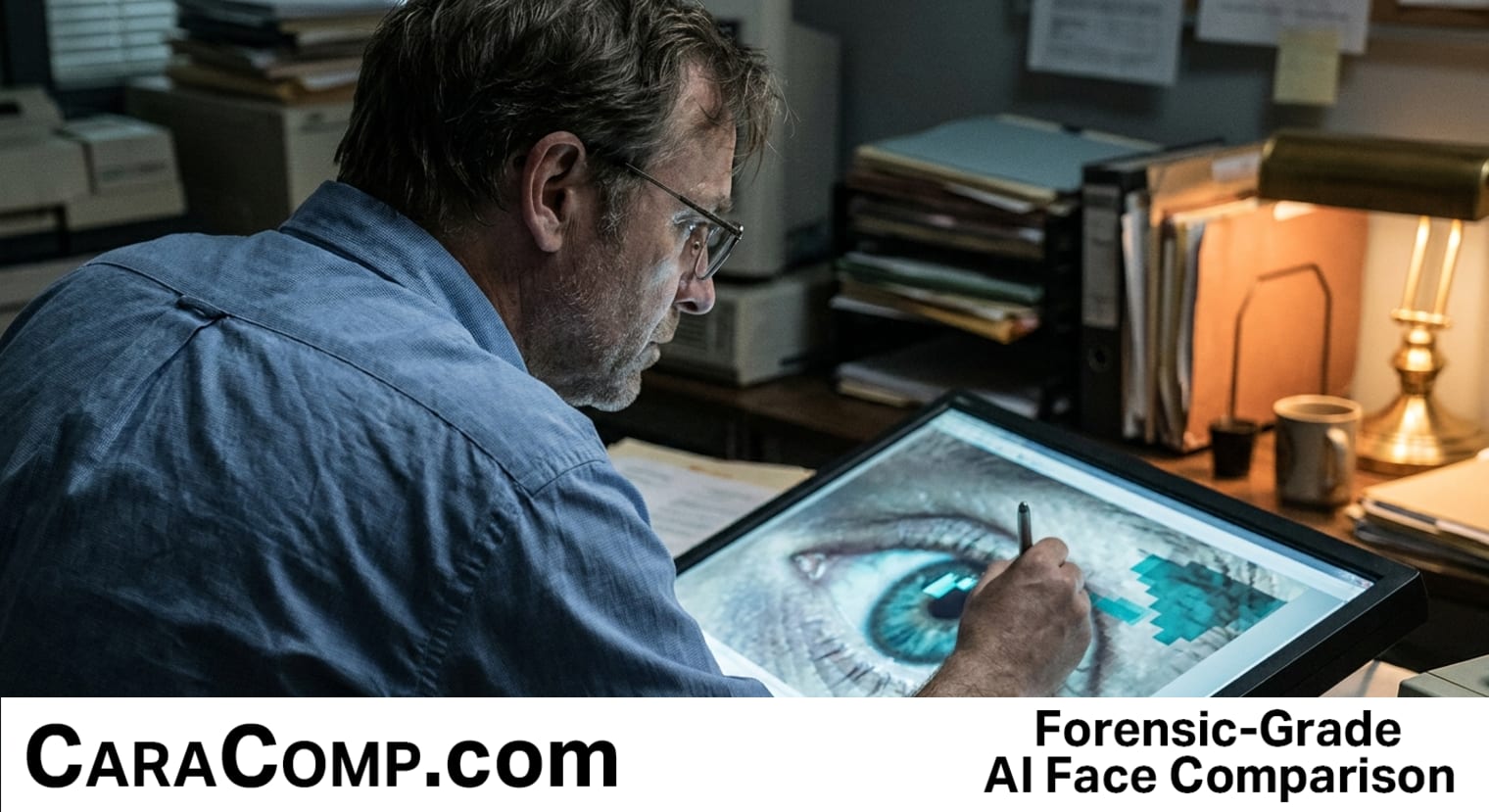
The most dangerous tool an investigator can bring to a digital crime scene is their own intuition. If you are still "eyeballing" photos to determine if a suspect is a match or if an image is authentic, you are falling for the exact trap generative adversarial networks (GANs) were built to set. Your biological brain is the easiest piece of hardware to hack, and in the world of modern OSINT and private investigation, trusting your gut is a fast track to a ruined reputation.
The reality is that synthetic media has bridged the "uncanny valley." We are no longer looking for "weird" eyes or melting ears. As recent forensic research highlights, the latest generation of deepfakes are mathematically perfect to the human eye but leave behind structural "up-sampling artifacts" in the pixel data that only algorithmic analysis can catch. For the solo investigator, this creates a massive identity gap: how do you maintain the same tech caliber as a federal agency when enterprise-grade forensic tools cost upwards of $2,000 a year?
At CaraComp, we believe the answer isn't "better eyes"—it’s better math. By utilizing Euclidean distance analysis, investigators can move past the subjective "it looks like him" and toward objective, court-ready data. Whether you are chasing insurance fraud or verifying a source, the goal is the same: comparing your known photos against suspect images using the same forensic rigor used by high-level labs, without the high-level price tag. We are moving toward a future where "visual evidence" is a contradiction in terms unless it is backed by a mathematical comparison report.
- Visual realism is now a liability. Because GANs are specifically trained to defeat human perception, an image that "looks real" provides zero forensic value without underlying artifact analysis.
- The "Compression Laundering" effect is real. Social media platforms strip metadata and mask artifacts, making cross-image consistency and batch comparison the only reliable ways to verify identity in 2024.
- Affordable Euclidean analysis is the new industry standard. Solo PIs no longer have an excuse to skip technical verification; the gap between enterprise capabilities and small-firm budgets has finally closed.
The stakes are too high to rely on manual methods that take three hours and offer 50% reliability. If you aren't using technology to verify the faces in your case files, you aren't just behind the curve—you're a liability to your clients.
Read the full article on CaraComp: The 3 Forensic Checks That Expose a Deepfake Your Eyes Will Never Catch


Comments
Post a Comment