SASSA's Face-Off: 68,000 Grandmas, Pensioners Cut Off by Algorithm
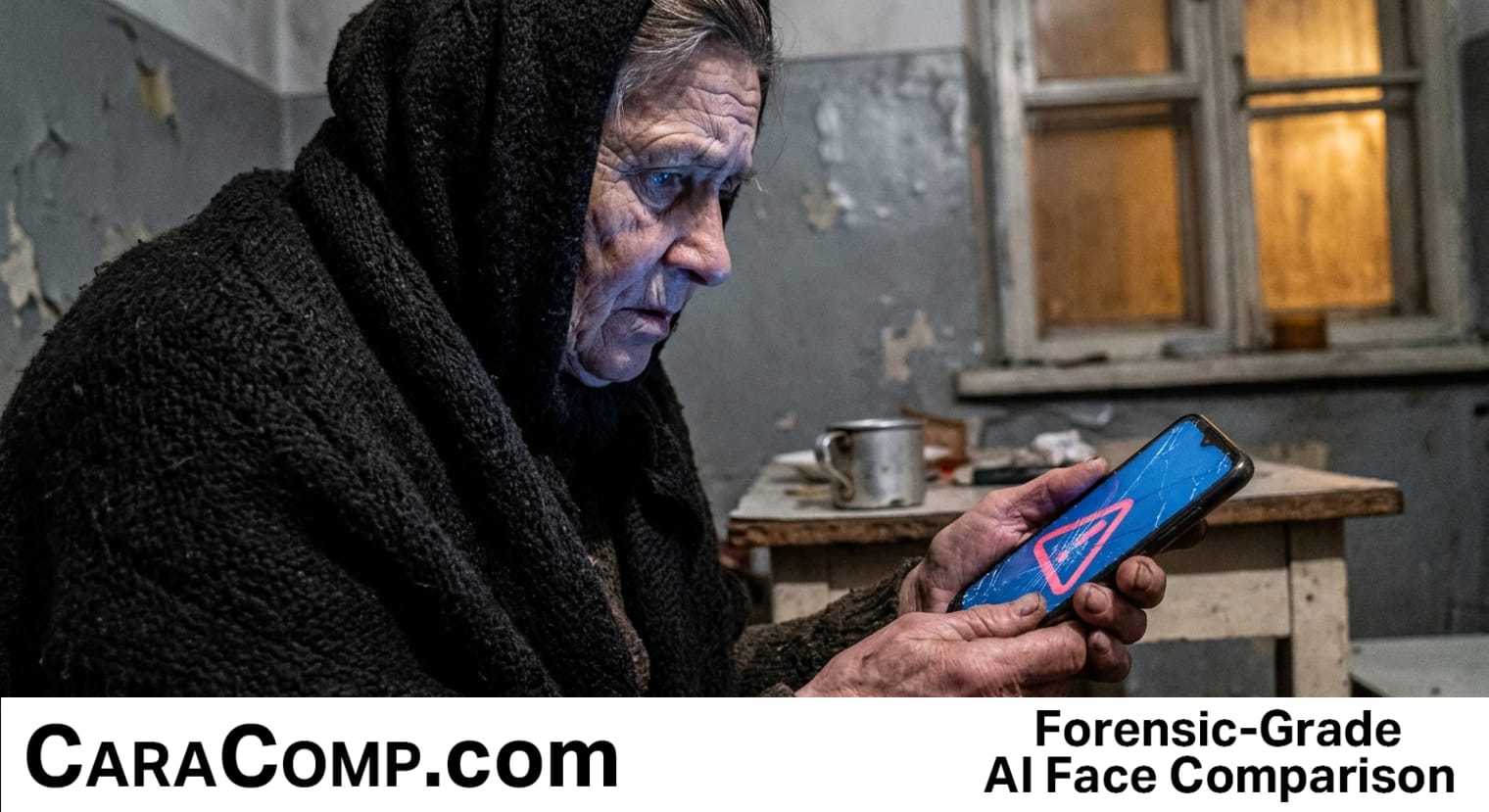
Sixty-eight thousand grandmas and pensioners just had their lifelines cut because a facial recognition algorithm couldn't handle bad lighting or a grainy photo. This isn't just a technical glitch in South Africa; it is a massive red flag for every private investigator, OSINT researcher, and law enforcement officer currently relying on "black box" biometric tools. When you let an automated system make the final call without a human-in-the-loop comparison, you don't get efficiency—you get a professional catastrophe.
The SASSA debacle highlights a critical misunderstanding in our industry: the difference between facial recognition (automated surveillance scanning) and professional facial comparison. SASSA’s failure was treating an algorithm as a judge rather than a lead generator. For the solo PI or small firm, the lesson is clear: you cannot stake your reputation on consumer-grade tools with low reliability scores or enterprise systems that offer no transparency. You need the data, but you also need the control.
As investigators, we often feel the pressure to keep up with federal-level tech. We’ve all been there—spending three hours manually squinting at grainy social media photos because enterprise-grade Euclidean distance analysis was locked behind a $2,000/year paywall. But as this news story proves, the "set it and forget it" approach to biometrics is a liability. The future of investigation isn't about replacing the detective; it’s about giving the detective the same caliber of analysis used by federal agencies at a price point that doesn't break the firm.
- The "Black Box" Liability: Relying on automated biometric suspensions without manual verification gates is an investigative death wish that leads to false positives and ruined reputations.
- The Necessity of Euclidean Distance Analysis: Professional cases require more than a "looks like him" guess; they demand mathematical side-by-side analysis that can actually hold up in a court-ready report.
- Bridging the Tech Gap: The SASSA failure proves that when sophisticated tech is poorly implemented, the most vulnerable people pay the price. High-tier comparison tools must be accessible to the individual investigator to ensure human oversight remains standard.
We are entering a phase where the tools we choose define our credibility. Don't be the investigator who misses a match—or worse, makes a false one—because you relied on a tool that treats facial analysis as a guessing game. Use the tech, but own the decision.
Read the full article on CaraComp: SASSA's Face-Off: 68,000 Grandmas, Pensioners Cut Off by Algorithm


Comments
Post a Comment