Mobile Biometrics Hit the Street in 2026 — and the Rules Haven't Caught Up
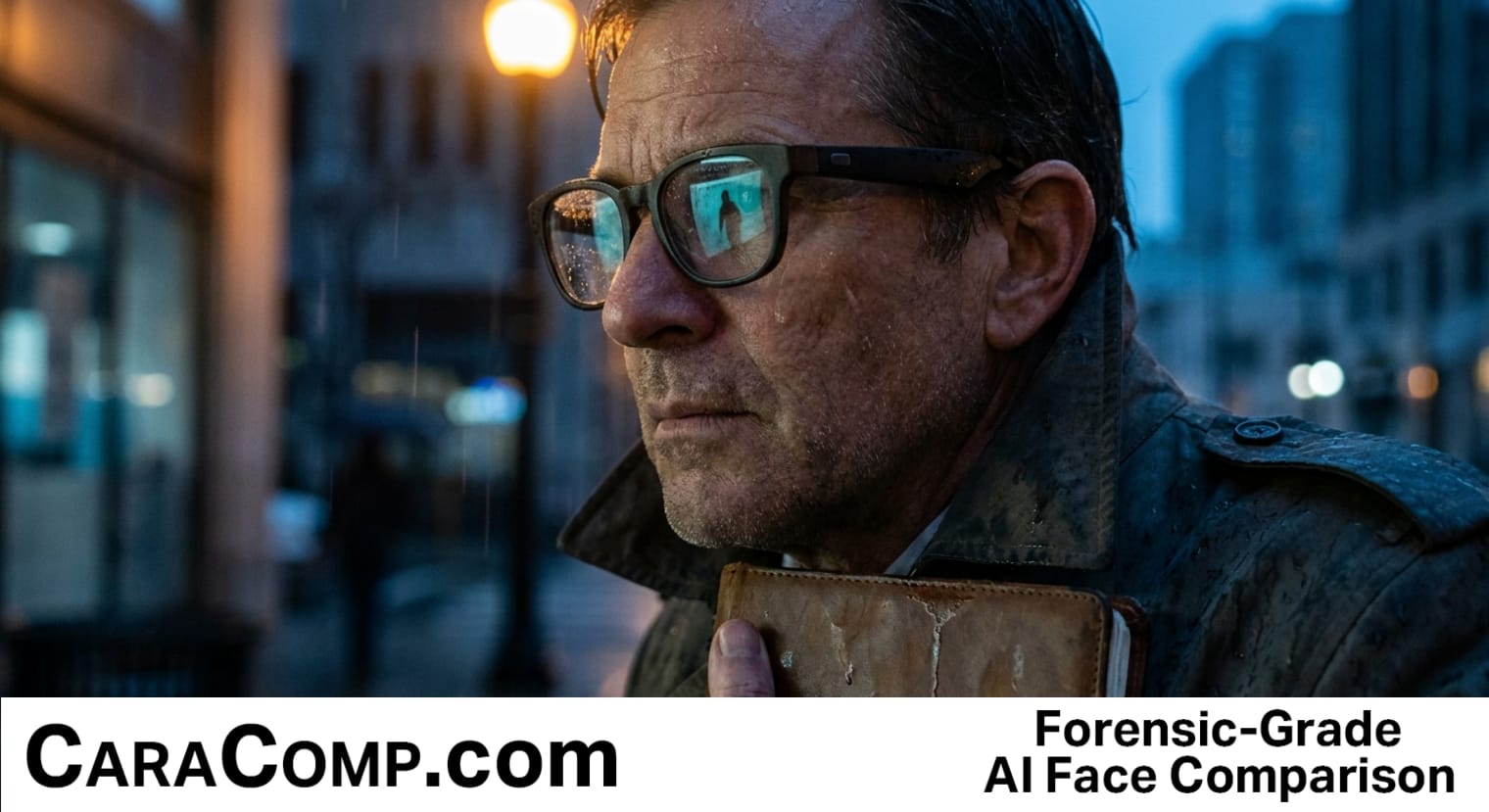
If you think current field identification is fast, Malaysia’s 4-second biometric clearance target for 2026 just made your entire investigative workflow look like a relic. We aren't talking about a pilot program or a "someday" concept; we are talking about a hard operational deadline for ambient, invisible verification. When identity checks happen in the time it takes to blink, the line between a fixed checkpoint and the open street effectively disappears.
For the private investigator or OSINT researcher, this news is a double-edged sword. On one hand, the technology behind these systems—specifically Euclidean distance analysis—is reaching a level of maturity that makes manual photo comparison feel like using a magnifying glass in a digital world. On the other hand, while federal agencies are already trialing smart glasses and drone-mounted biometric sensors, the solo investigator is often left to choose between unreliable consumer search tools or enterprise software that costs as much as a new car.
The real story here isn't just about speed; it's about the shift from surveillance to professional facial comparison. While the public debates the ethics of scanning crowds, the savvy investigator knows that the real "wins" happen when you can take two disparate images and prove a match with mathematical certainty. As these high-speed systems go mobile, the demand for court-ready, defensible reporting will skyrocket. If you can’t present your findings with the same caliber of analysis used at a high-security border, your evidence won't survive the next 18 months of legal scrutiny.
Key Implications for Investigators:
- The "Access Gap" is the new hurdle: As federal agencies adopt wearable biometric tech, solo PIs must find ways to access enterprise-grade Euclidean distance analysis without the $2,000/year price tag.
- Defensibility is the final barrier: Speed is useless without a professional audit trail. Investigators need tools that move beyond "it looks like him" to "here is the mathematical distance between these two faces."
- Comparison beats Surveillance: The future of the industry isn't in scanning crowds; it’s in the precise, side-by-side analysis of case photos that can stand up in a courtroom.
The agencies that win in 2026 won't necessarily be the ones with the biggest budgets, but the ones who adopted professional comparison tech before the rest of the industry caught on. Don't let your case files fall behind the technology curve.
Read the full article on CaraComp: Mobile Biometrics Hit the Street in 2026 — and the Rules Haven't Caught Up


Comments
Post a Comment