Meloni Deepfake Sparks Diplomatic Crisis — And Detection Tools Caught It Too Late
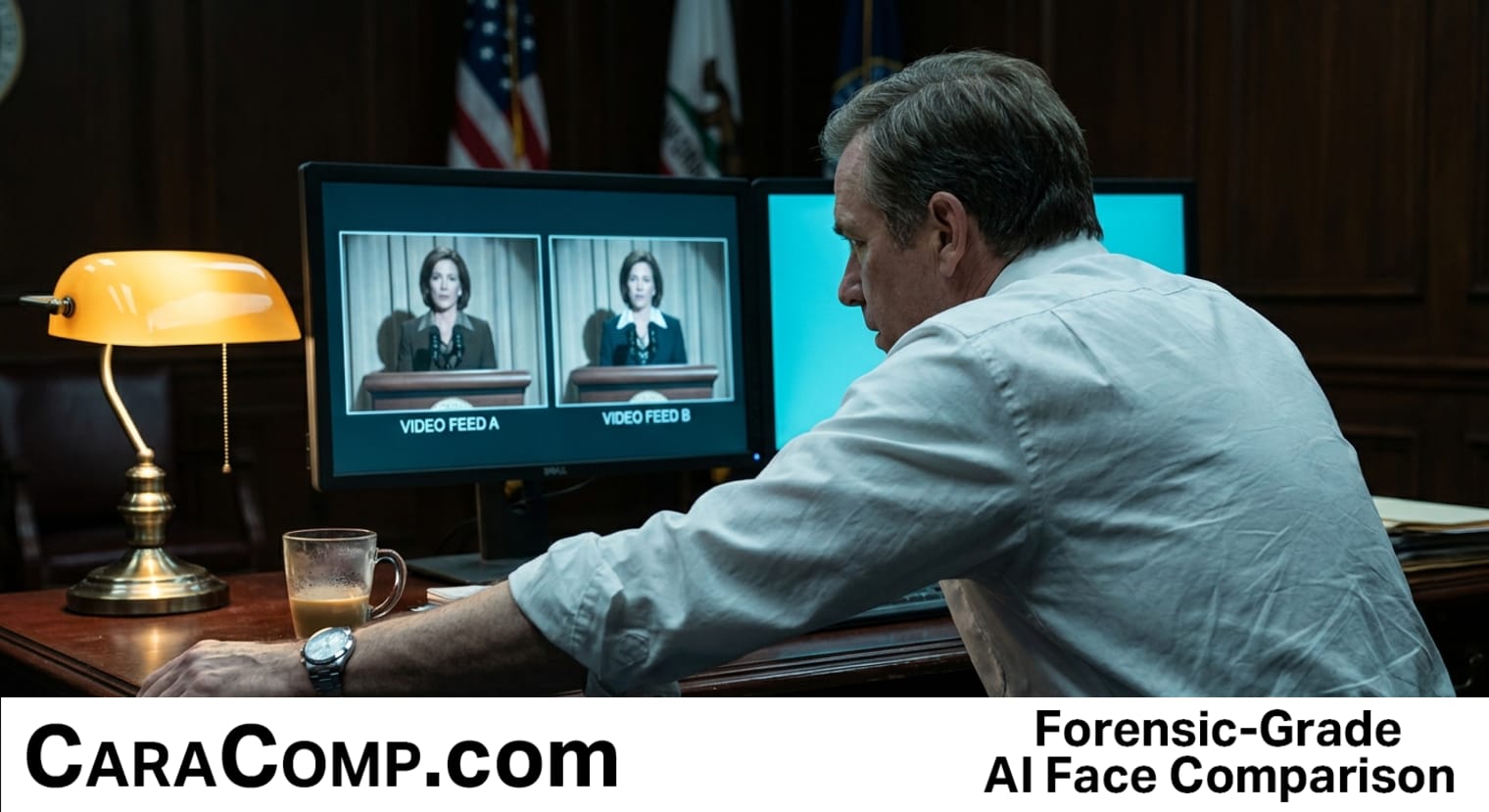
A 99.9% detection rate is a total failure if it arrives three hours after the damage is done. The recent deepfake crisis involving Italian Prime Minister Giorgia Meloni proved that even near-perfect AI detection can’t stop a fabricated narrative once it hitches a ride on real-world political tension. This wasn’t just a "fake video"—it was a weaponized identity attack that operated faster than official diplomatic channels could breathe. For those of us in the investigation and facial comparison space, the Meloni incident is a screaming alarm: we are entering a period where the speed of verification is the only metric that matters.
The attackers didn't invent a crisis out of thin air; they waited for a real policy shift—Italy’s suspension of a defense agreement—and used it as "narrative cover." This made the synthetic video of a diplomatic rupture feel plausible. In the world of OSINT and private investigation, this is the ultimate nightmare. If you are still relying on manual facial comparison or bottom-tier consumer tools that throw back false positives, you aren't just slow—you are a liability to your clients. The Meloni case shows that "believable enough" is the new gold standard for disinformation, and the only way to counter it is with professional-grade Euclidean distance analysis that provides instant, court-ready certainty.
Investigators can no longer afford to treat facial comparison as a "luxury" or an "enterprise-only" capability. When reputations and international alliances are on the line, the difference between a 2.4/5 reliability tool and professional biometric comparison is the difference between closing a case and being part of the problem.
- Plausibility is the new "Deepfake" weapon — Synthetic media no longer needs to be visually perfect; it just needs to be anchored to a real event to gain immediate, destructive credibility.
- The "Truth Gap" is an operational hazard — There is a dangerous window of time between a video going viral and a professional verification being issued. Investigators must close this gap using batch-processing tools that analyze faces in seconds, not hours.
- Authentication is now a diplomatic requirement — As "seeing is believing" collapses, the ability to certify a face through side-by-side comparison becomes the most valuable asset in any investigator's toolkit.
We are moving toward a reality where every piece of visual evidence is suspect by default. If your investigative workflow isn't built to authenticate identity with mathematical precision, you're playing a game you've already lost. The Meloni incident wasn't an anomaly; it was a blueprint. It’s time for solo investigators to stop bringing manual methods to a synthetic fight.
Read the full article on CaraComp: Meloni Deepfake Sparks Diplomatic Crisis — And Detection Tools Caught It Too Late


Comments
Post a Comment