Deepfake Laws Are Fracturing. Your Evidence May Not Survive 2026.
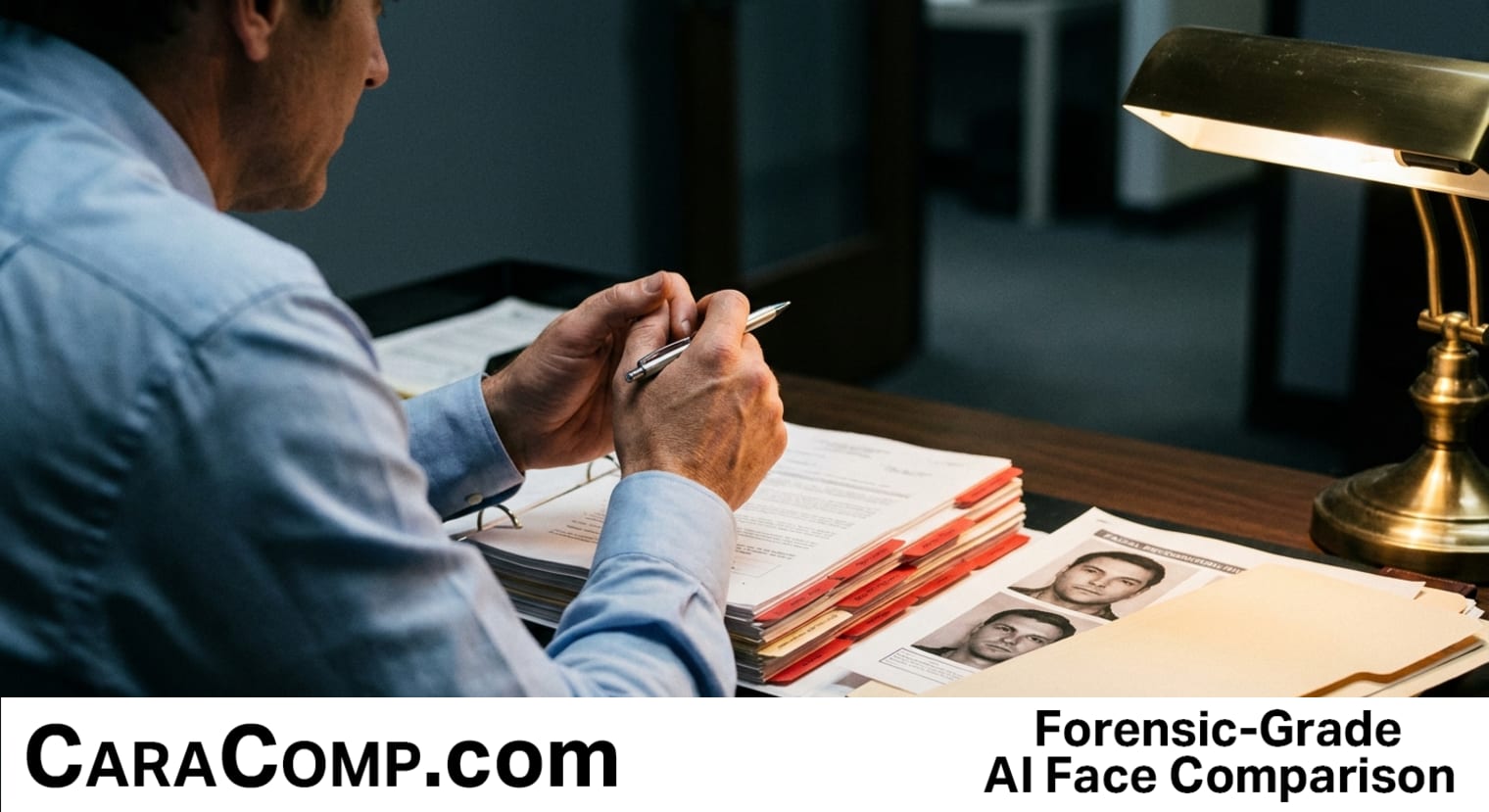
The burden of proof in digital investigations just shifted from the bench to your desk, and most solo investigators are completely unprepared for the fallout of the 2026 midterm legislative rush. As states scramble to pass a patchwork of deepfake and biometric laws to win over voters, the "wild west" of digital evidence is being replaced by a minefield of disclosure mandates that could render your entire case file inadmissible before you even reach the courthouse steps.
For the private investigator or OSINT professional, the "I know it when I see it" approach to facial comparison is officially dead. New frameworks, like Louisiana’s HB 178, now require "reasonable diligence" to verify the authenticity of digital evidence. This isn't just about spotting a deepfake; it’s about having a documented, repeatable methodology that can survive a aggressive cross-examination. If you are still relying on manual side-by-side comparisons or unreliable consumer-grade search tools that offer no audit trail, you are essentially handing opposing counsel a gift-wrapped reason to toss your evidence.
At CaraComp, we see this as the definitive turning point for the industry. You no longer have the luxury of choosing between enterprise-grade analysis and affordability. To stay defensible in this shifting legal climate, you need tools that utilize rigorous Euclidean distance analysis—the same mathematical standard used by federal agencies—but without the five-figure price tag that drains a solo firm’s budget. The "industry standard" is being redefined by law, and those who can't provide a professional case analysis report will be left behind.
Key implications for investigative professionals:
- Methodology is now as vital as the result: A match only matters if you can document the mathematical distance between faces. If your comparison tool doesn't provide a professional, court-ready report, it’s a liability, not an asset.
- The burden of authentication has flipped: Proposed federal rule changes mean you must prove your evidence is genuine before it is even admitted, rather than forcing the opposition to prove it is a deepfake.
- Jurisdictional chaos is the new normal: With over 1,000 AI bills in the pipeline, the standards for "verified evidence" in one state may be a total failure in the next, making standardized batch comparison tools essential for consistency.
The era of "good enough" manual comparison is over. Investigators who continue to bypass professional-grade facial comparison software are betting their reputations against a legislative clock that is ticking faster than their workflows can adapt. Don't be the one explaining an outdated process under oath.
Read the full article on CaraComp: Deepfake Laws Are Fracturing. Your Evidence May Not Survive 2026.


Comments
Post a Comment