Deepfake Investigators Have 48 Hours. Most Firms Can't Make It.
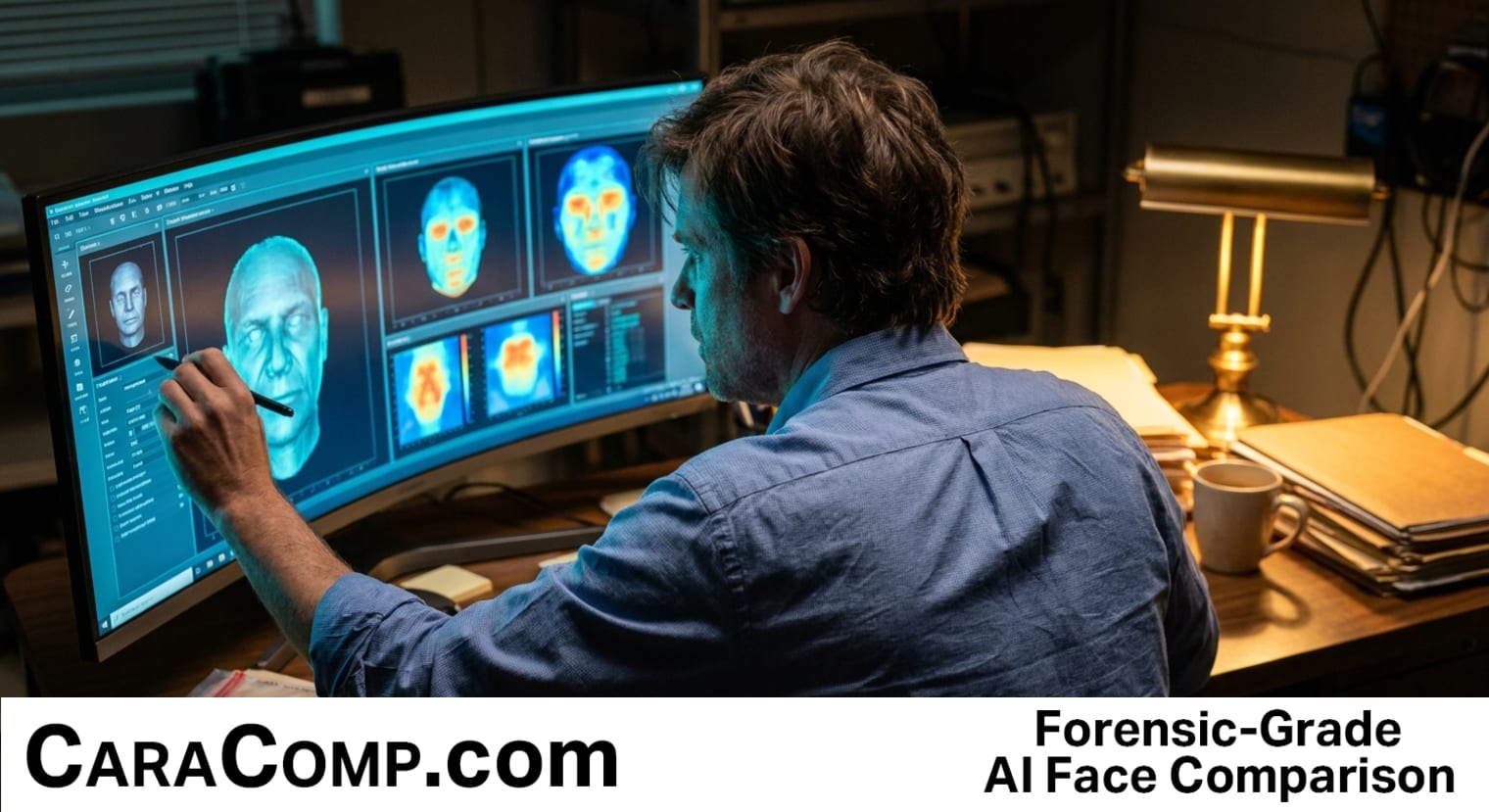
The FTC just turned every private investigator’s workflow into a ticking time bomb. With the enforcement of the TAKE IT DOWN Act, major platforms now have exactly 48 hours to scrub deepfakes and non-consensual media or face staggering fines. But here is the reality that the headlines are ignoring: the platforms aren't the ones doing the forensic heavy lifting. That burden falls on the investigators, OSINT researchers, and firms who must verify identity and provide documentation before the clock runs out.
If you are still manually comparing facial features across dozens of photos to confirm a match, you have already lost. The 48-hour window doesn't just pressure social media giants; it effectively kills the traditional, manual investigative timeline. In a world where deepfake fraud has spiked tenfold in a single year, relying on "eyeballing it" isn't just slow—it is professional negligence. Investigators who can’t deliver verified, court-ready analysis within hours are going to find themselves sidelined by clients who can't afford to wait.
At CaraComp, we see this as the ultimate stress test for the industry. For too long, enterprise-grade Euclidean distance analysis was locked behind $2,000-a-year paywalls, leaving solo PIs and small firms to struggle with unreliable consumer search tools that lack professional reporting. That gap is no longer sustainable. To survive this new regulatory landscape, investigators need the same caliber of tech used by federal agencies, but at a price point that doesn't eat their entire margin.
- The "Verification Gap" is the new liability: Speeding through a takedown without rigorous facial comparison leads to wrongful removals and legal blowback. Investigators must provide auditable, scientific proof of identity to protect themselves and their clients.
- Manual analysis is officially obsolete: You cannot spend three hours on a task that Euclidean distance algorithms can finish in seconds. High-volume cases require batch processing and instant reporting to meet federal mandates.
The question for the modern investigator isn't whether the tech is "too complex"—it's whether you can afford to stay in the dark ages while a 48-hour countdown is running on every case. Have you ever spent an entire afternoon comparing photos manually only to realize you still weren't 100% sure? Those days are over.
Read the full article on CaraComp: Deepfake Investigators Have 48 Hours. Most Firms Can't Make It.


Comments
Post a Comment