Age Verification Is a Lie: 3 Hidden Flaws That Make "Passed" Meaningless
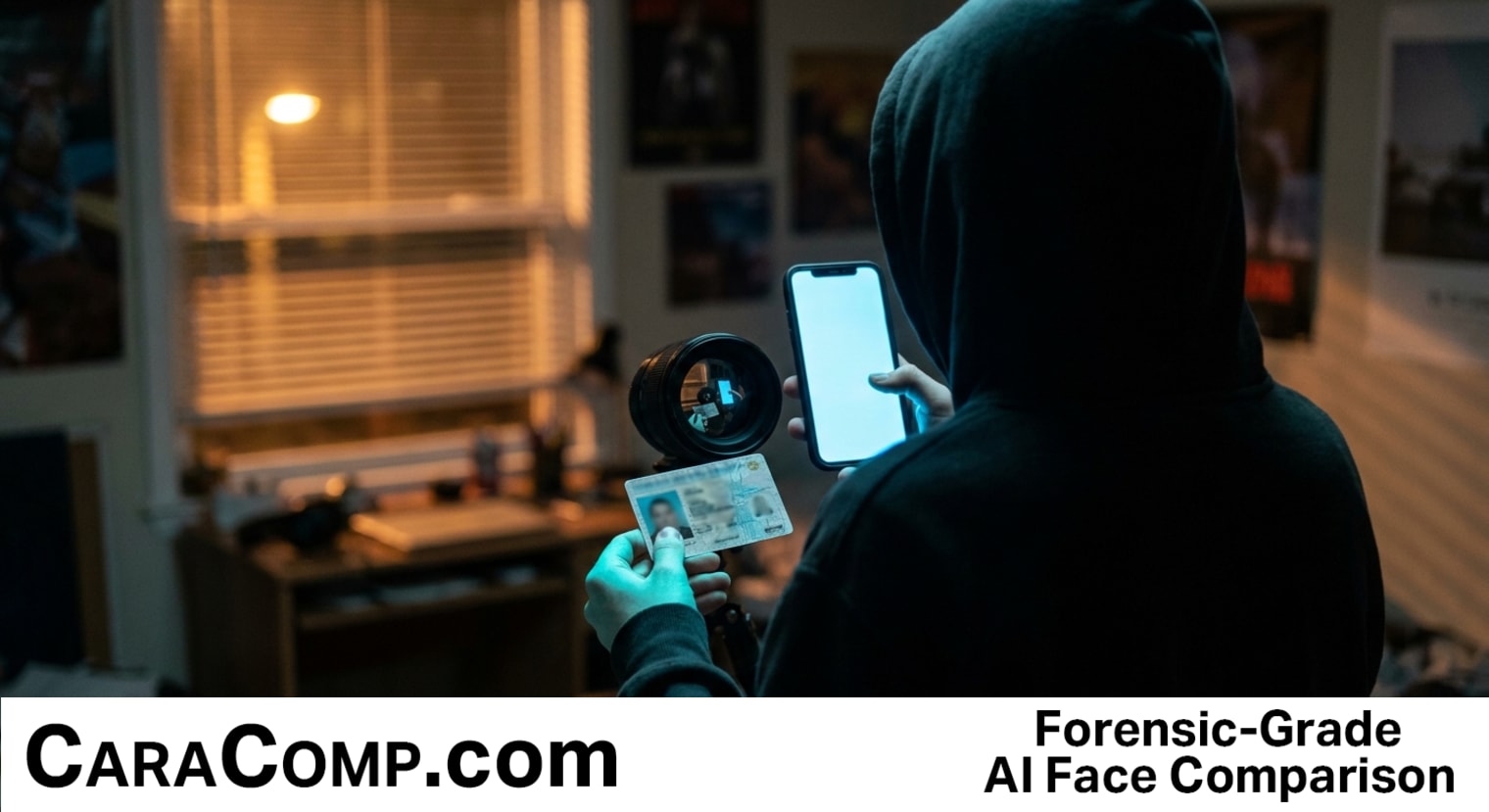
To reliably block a 17-year-old from accessing a restricted website, the underlying AI often has to be set to treat 30-year-olds as suspicious. Think about that for a second. The top facial age-estimation systems tested by NIST aren't actually identifying age; they are playing a high-stakes game of "probability" that fails exactly where the law requires it to succeed. For investigators and OSINT professionals, this "age verification" trend is a masterclass in biometric theater—a system that creates massive friction for legitimate adults while being a mere speed bump for tech-savvy minors.
As industry insiders, we see the fundamental category error being made here. Lawmakers and platforms are confusing "verification" with "certainty." AI-based age estimation returns a confidence score based on skin texture and bone structure patterns, not a binary truth. When a system says a user "passed," it simply means a probability score crossed a threshold. This isn't investigative technology; it’s a probabilistic filter tuned to be conservative, often at the expense of user privacy and data integrity.
The danger for the investigative community is two-fold. First, it dilutes the public’s understanding of what facial comparison technology is actually for. Second, these mandates are forcing platforms to build massive, centralized repositories of government-issued IDs and biometric templates. These aren't just compliance records; they are high-value targets for the exact category of identity theft we should be preventing. At CaraComp, we champion facial comparison—the side-by-side Euclidean distance analysis of your own case photos—because it’s about precision and evidence, not scanning crowds or guessing birth years based on a pixelated selfie.
- The "Confidence" Fallacy: "Passed verification" is a marketing term, not a technical reality. Current systems require a challenge age of 29–33 just to catch minors, meaning legitimate users are frequently misidentified.
- Centralized Breach Surfaces: Mandates are creating massive honeypots of sensitive biometric and document data, held by vendors competing on price rather than high-tier security architecture.
- Evasion Asymmetry: The demographic most motivated to bypass these checks—minors—is also the most equipped to use VPNs and ID workarounds, leaving only law-abiding adults to deal with the friction.
If you're an investigator who relies on data integrity, you know that a "probably" from a probabilistic tool doesn't hold up in a professional report. True investigation technology should empower the user to analyze their own data, not vacuum up biometric data into a commercial database. It’s time we stopped calling probability "verification."
Read the full article on CaraComp: Age Verification Is a Lie: 3 Hidden Flaws That Make "Passed" Meaningless


Comments
Post a Comment