3 Seconds of Audio. A 95% Voice Clone. Why Investigators Can't Trust "Hello" Anymore.
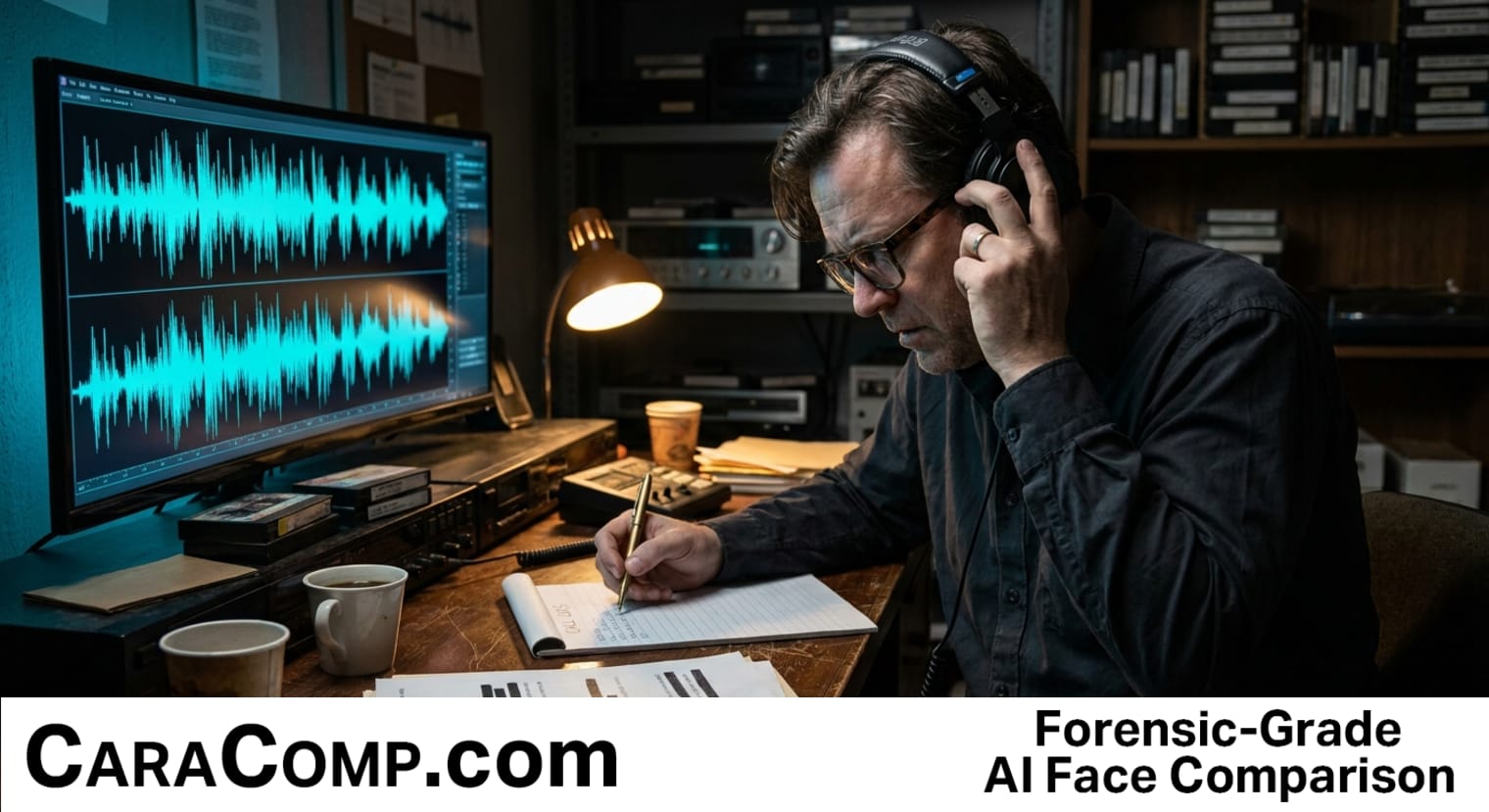
The next time you answer your phone and hear nothing but silence, don't just hang up—realize that you might have just handed a fraudster the digital keys to your identity. French authorities are sounding the alarm on "silent calls" where scammers harvest a single "hello" to build 95% accurate AI voice clones. For the solo private investigator or OSINT professional, this isn't just a security warning; it is a total collapse of traditional evidence standards. If three seconds of audio can bypass a human’s detection 75% of the time, then the days of relying on "gut instinct" to verify a subject are officially over.
We are entering a period where familiarity is a liability. In fraud investigation, a recognizable voice has long been a shortcut to trust. That shortcut is now a trap. Whether it is a "family member" in distress or a "CEO" authorizing a wire transfer, the acoustic signatures we once trusted are being synthesized at scale. As investigators, we have to stop asking if something sounds right and start asking if the data supports it. This same shift is happening in facial comparison. Relying on a side-by-side visual "hunch" is no longer defensible when sophisticated tools can provide mathematical certainty.
The real crisis for small firms isn't the existence of AI fakes; it's the gap in technology. For too long, the high-end tools required to combat these digital deceptions—like Euclidean distance analysis and batch processing—were locked behind $2,000-a-year enterprise contracts. Solo PIs have been forced to choose between manual, three-hour comparison sessions or unreliable consumer tools. This news from France proves that the "wait and see" approach to tech adoption is a recipe for professional obsolescence. You cannot stake your reputation on manual methods when the opposition is using 95% accurate AI clones.
- The "Gut Feeling" Era is Dead: Familiarity is now a vulnerability. Investigators must treat every "recognized" voice or face as a hypothesis that requires mathematical confirmation through comparison technology.
- Evidence Standards Have Shifted: Manual side-by-side checks are no longer court-ready. Professional-grade reports backed by Euclidean distance analysis are the only way to protect your reputation against the rise of deepfakes.
- Technology Parity is Mandatory: Solo investigators must adopt the same caliber of analysis used by federal agencies to ensure their findings hold up under the scrutiny of modern fraud tactics.
The silent call is a wake-up call. Whether you are analyzing a voice clip or a grainy CCTV still, the methodology must be beyond reproach. It's time to move past the manual era and embrace tools that provide enterprise-grade analysis without the enterprise price tag.
Read the full article on CaraComp: 3 Seconds of Audio. A 95% Voice Clone. Why Investigators Can't Trust "Hello" Anymore.


Comments
Post a Comment