25 States Just Built America's Face-Scan Checkpoint — and Nobody Noticed
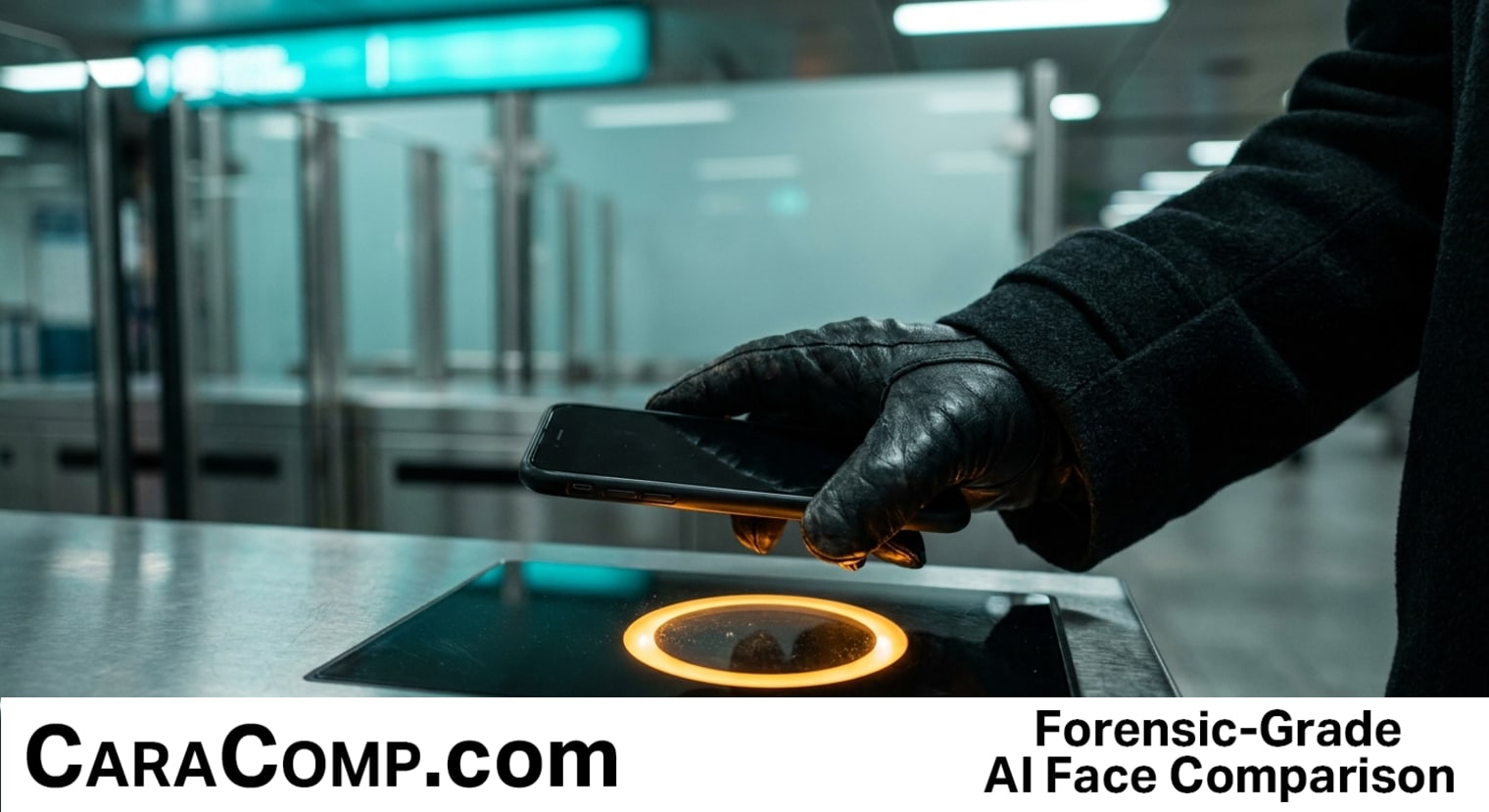
While the public was distracted by headlines about internet filters, 25 states quietly laid the foundation for a permanent biometric dragnet. This wasn’t a slow burn; it was a legislative lightning strike, with nine states jumping on board in 2025 alone. They call it "age verification," but for those of us in the investigation industry, we know exactly what it is: the birth of a national digital identity checkpoint infrastructure.
This massive expansion of facial scanning is fundamentally changing the landscape of OSINT and private investigation. We are moving toward a world where every digital interaction starts with a biometric match. But here is the insider reality: most of these state-mandated systems are either "guessing" ages based on patterns or hoarding sensitive ID data on vulnerable servers. This creates a massive liability gap. Professional investigators can’t rely on "guesses" or unreliable consumer-grade search tools. We need the hard math of Euclidean distance analysis—the same technology that powers high-level federal comparisons—to ensure our evidence holds up under cross-examination.
The normalization of these scans means the bar for "court-ready" evidence just got a lot higher. You can no longer walk into a case with a shaky "looks like him" comparison. When state infrastructure is performing billions of matches, a solo investigator must have the same caliber of technology to remain credible. The difference between a consumer-grade search and a professional side-by-side comparison is the difference between a closed case and a dismissed one. As these state-level systems become ubiquitous, the value of precise, side-by-side comparison—done with the investigator's own curated photos rather than a random web scrape—is what will separate the tech-savvy firms from the ones left behind.
We’re entering a cycle where the question isn't just "is the match accurate?" but "is the comparison defensible?" CaraComp was built for this shift, providing the mathematical precision of enterprise tools at 1/23rd the cost. Whether you are hunting insurance fraud or running an OSINT-heavy missing persons case, you need the same Euclidean analysis the states are using, without the six-figure government price tag.
- The Death of Manual Comparison: With half the country normalizing facial scans, manual photo review is no longer just slow—it’s professionally negligent. Investigators need batch-processing tools that provide mathematical certainty in seconds.
- The Rise of the "Forensic" Investigation: As digital identity becomes the norm, investigators must provide court-ready reports that document the "why" and "how" of a match, moving beyond simple visual resemblance to forensic-grade Euclidean distance analysis.
Read the full article on CaraComp: 25 States Just Built America's Face-Scan Checkpoint — and Nobody Noticed


Comments
Post a Comment