Synthetic Identity Fraud Now Drives Most ID Scams — Why Facial Comparison Is the Only Check That Bites Back
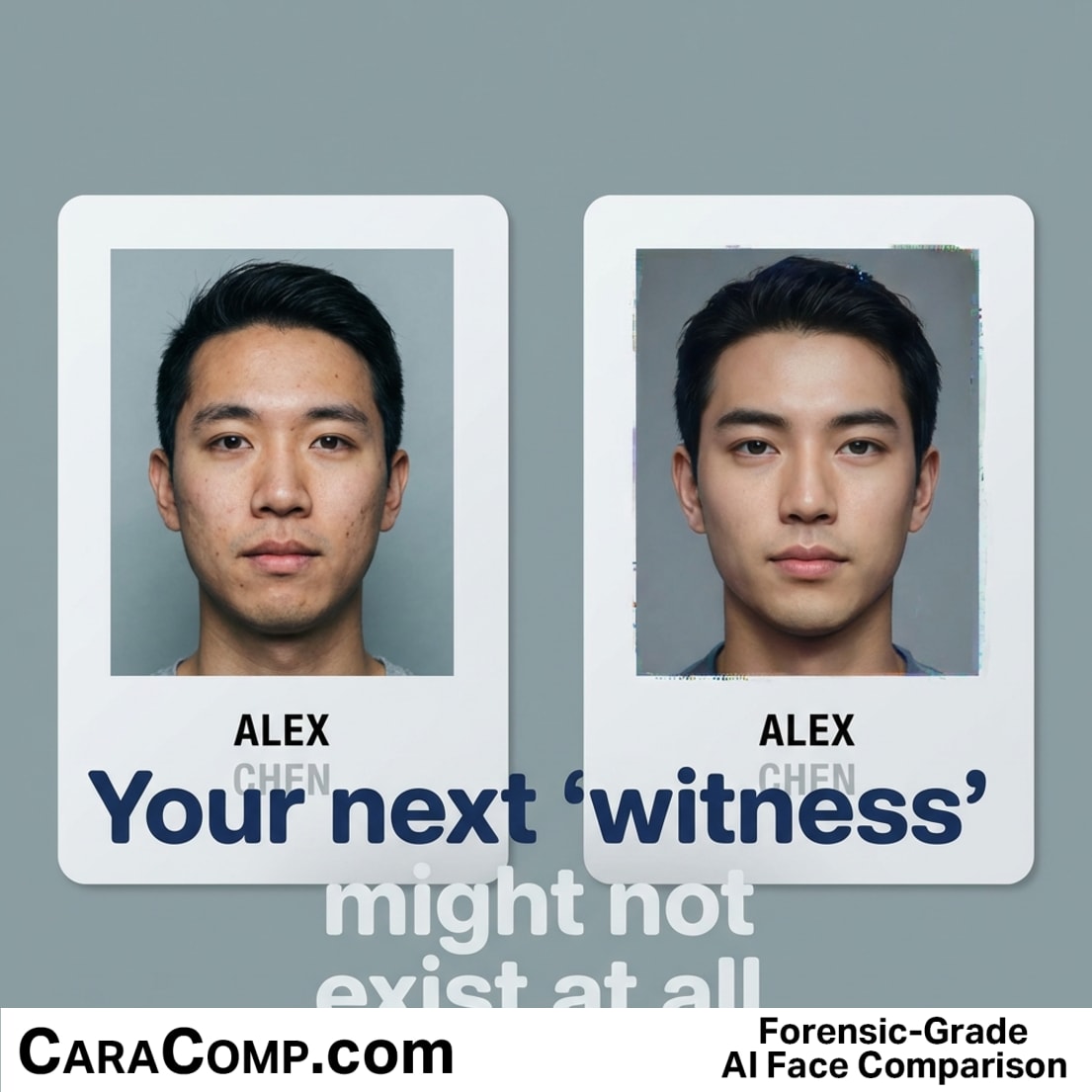
A researcher recently built a job-interview-ready synthetic identity in just 70 minutes using a five-year-old computer. This wasn’t a crude forgery; it was a sophisticated digital composite that successfully bypassed standard KYC verification. For the private investigator or OSINT professional, this is a wake-up call: the "verified" subject in your case file might be a ghost engineered in an afternoon.
We are currently witnessing the collapse of traditional identity verification. The industry has long operated on the myth that if the documents match the database, the person is real. Fraudsters have exploited this by moving away from simple ID theft toward "synthetic" creation—stitching together real Social Security numbers, legitimate addresses, and AI-generated faces. These identities are "nurtured" for months, building credit scores and digital footprints that look cleaner than those of actual citizens. When they finally "activate," they don't trigger a single red flag in legacy systems.
For investigators, this creates a massive liability. If you are relying on manual methods or basic database pings, you are essentially bringing a paper shield to a deepfake gunfight. Traditional KYC checks for existence, but they fail to check for reality. They confirm that data fragments are valid, but they cannot tell if those fragments have been hijacked by a digital Frankenstein. This is why the industry must pivot toward precise facial comparison as the definitive "light test" for identity.
- The "Existence vs. Reality" Gap: Synthetic identities pass database checks because they use real data fragments. The only point of failure for a fraudster is the moment they must present a face that matches the documentation across multiple interactions.
- Industrialized Fraud: With state-sponsored actors now using AI-generated headshots to place operatives inside Western firms, investigators can no longer rely on "gut feelings." We need Euclidean distance analysis to prove identity with mathematical certainty.
- Scalable Verification: As deepfake injection attacks increase by over 700%, the ability to perform batch comparisons of subject photos against known records is no longer a luxury—it is a baseline requirement for professional due diligence.
The solo investigator is often caught between a rock and a hard place: enterprise tools are priced for federal agencies, while consumer-grade search tools are too unreliable for court-ready reporting. However, as synthetic fraud scales to a projected $58 billion problem, the cost of missing a match is far higher than the cost of the right tech. It’s time to stop squinting at photos for three hours and start using analysis that actually bites back.
Read the full article on CaraComp: Synthetic Identity Fraud Now Drives Most ID Scams — Why Facial Comparison Is the Only Check That Bites Back


Comments
Post a Comment