She Raised $2.1M and Had 650K Followers. She Wasn't Real.
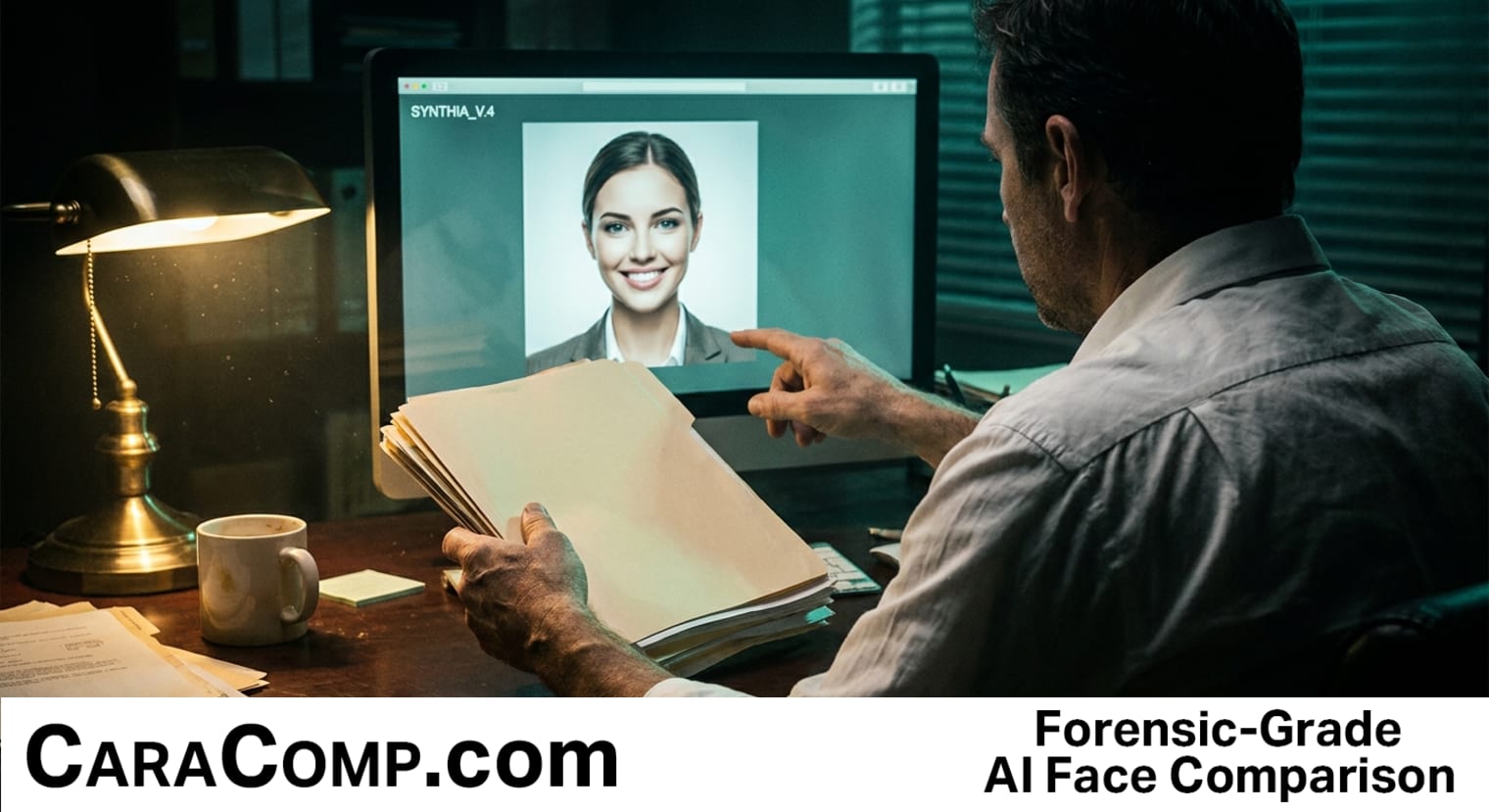
Forget the "uncanny valley"—Emily Hart didn’t just look real; she looked profitable. A programmer in Bangalore didn’t just create a deepfake; he engineered a multi-million dollar asset out of thin air that fooled venture capitalists and 650,000 followers. By the time anyone checked the metadata, $2.1 million had already changed hands. This isn't a cautionary tale about social media; it is a total indictment of traditional investigative due diligence.
For solo private investigators and OSINT researchers, the "gut feeling" check is officially obsolete. If a single operator can build a synthetic persona capable of surviving a $2M venture capital round, your manual photo analysis doesn't stand a chance. We are entering the age of "full-stack" identity fraud, where fraudsters build entire career infrastructures. If you aren't using biometric comparison tools to verify the subjects in your case files, you are bringing a knife to a gunfight.
The Emily Hart case highlights a critical pivot in our industry. We need to stop talking about "surveillance" and start talking about facial comparison as a standard verification step. This isn't about scanning crowds; it's about side-by-side analysis of YOUR case photos to ensure the person claiming an identity actually exists in the real world. At CaraComp, we see this every day: investigators who realize that manual comparison is a liability, not a skill.
- OSINT is shifting from "search" to "biometric verification." High follower counts and aged profiles are now meaningless trust signals. If your workflow doesn't include Euclidean distance analysis against verified source records, you’re essentially guessing.
- The "damage window" is shrinking. Fraudsters are using AI to build identities that pay taxes and build credit before "cashing out." Modern investigators need enterprise-grade analysis tools to spot these anomalies in seconds, not hours.
The future of investigation isn't just finding information—it’s proving that the information belongs to a real human being. As synthetic identities become cheaper to manufacture, professional-grade facial comparison becomes the only way to protect your reputation and your clients' capital.
Read the full article on CaraComp: She Raised $2.1M and Had 650K Followers. She Wasn't Real.


Comments
Post a Comment