'Prove It's Not a Deepfake': The Evidence Challenge Most Investigators Will Lose
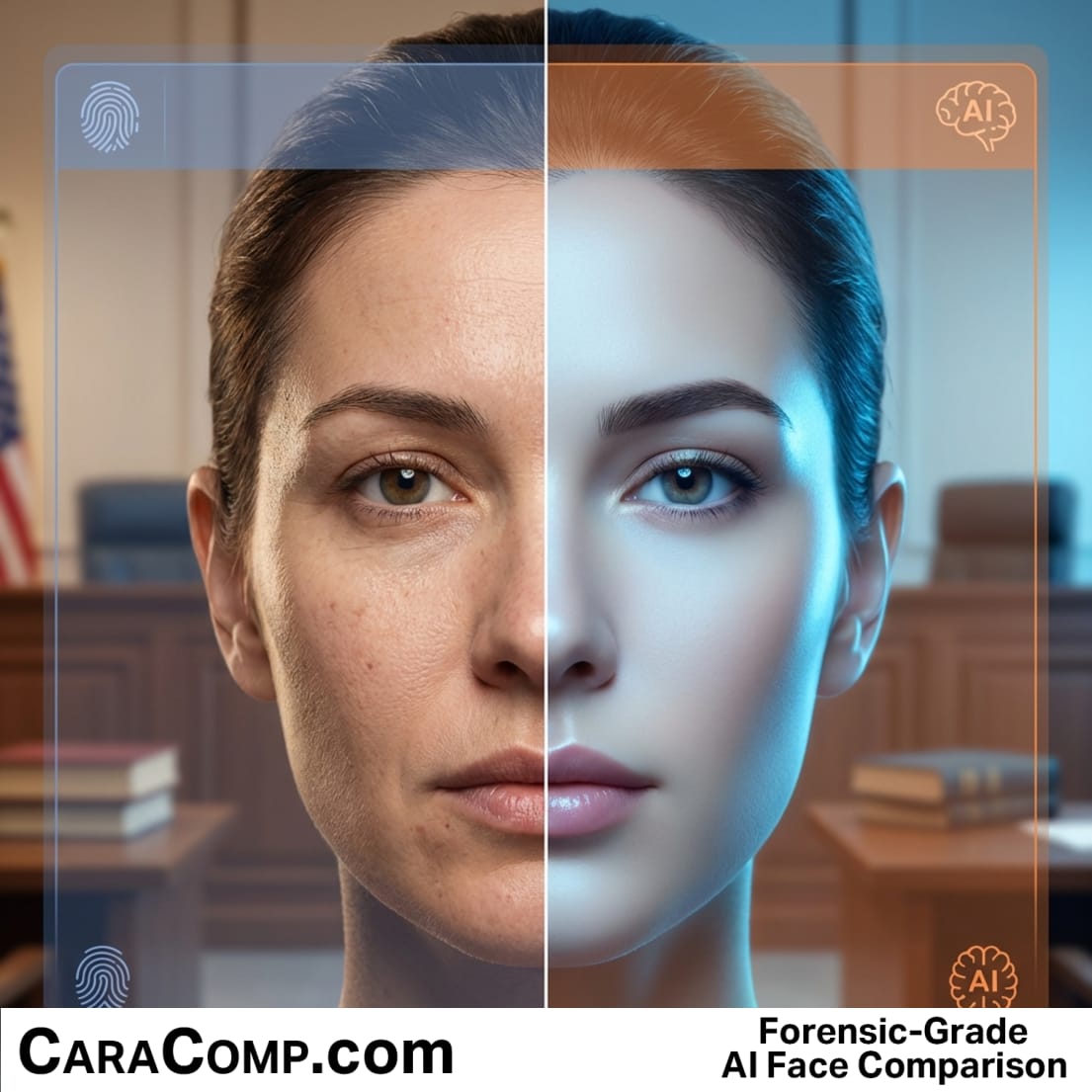
The days of sliding a grainy screenshot into a case file and calling it "evidence" are officially over. A legal freight train is heading toward the investigative community in the form of proposed Federal Rule of Evidence 901(c), and most solo private investigators are standing on the tracks with nothing but a magnifying glass. The burden of proof is flipping: soon, you won't just need to show a photo is relevant; you’ll have to affirmatively prove it isn’t a deepfake.
This isn't just about high-profile political scandals. When AI-generated explicit images are surfacing in 34 out of 36 top search results for celebrities, the legal system has no choice but to treat every digital image as "guilty until proven innocent." For the solo PI or small firm, this creates an immediate crisis of methodology. If a defense attorney stands up and screams "deepfake," and your only rebuttal is "it looks like him to me," your evidence is going into the shredder.
The industry is moving toward a mandatory "authenticity trail." Investigators who rely on manual comparison or $29 consumer-grade search tools that offer zero documentation are leaving themselves dangerously exposed. To survive a Rule 901(c) challenge, you need more than a match; you need a scientific methodology. This is where Euclidean distance analysis—the same math used by federal agencies—becomes the investigator’s best friend. It transforms a subjective opinion into a documented, objective measurement that can actually hold up under the scrutiny of a pretrial evidentiary hearing.
- The "Deepfake Defense" is the new tactical hammer — Defense attorneys don't need to prove an image is fake; they only need to create enough doubt to flip the burden of proof back onto you.
- Scientific methodology is no longer optional — "Eyeballing" a photo is a liability. Reliable facial comparison requires standardized Euclidean distance metrics to provide the "affirmative demonstration" courts are beginning to demand.
- Professional reporting is your only shield — Without a court-ready report documenting the comparison process and metadata preservation, your findings are just hearsay in a digital wrapper.
The window of procedural ambiguity is closing fast. While big-budget agencies are already pivoting to high-end forensic workflows, solo investigators must close the tech gap now or risk being laughed out of the courtroom. In 2026, the best investigator in the room won't be the one with the best camera—it will be the one with the best paper trail.
Read the full article on CaraComp: 'Prove It's Not a Deepfake': The Evidence Challenge Most Investigators Will Lose


Comments
Post a Comment