Only 1 in 1,000 People Can Spot a Deepfake — Here's the Microsecond Gap Your Brain Misses
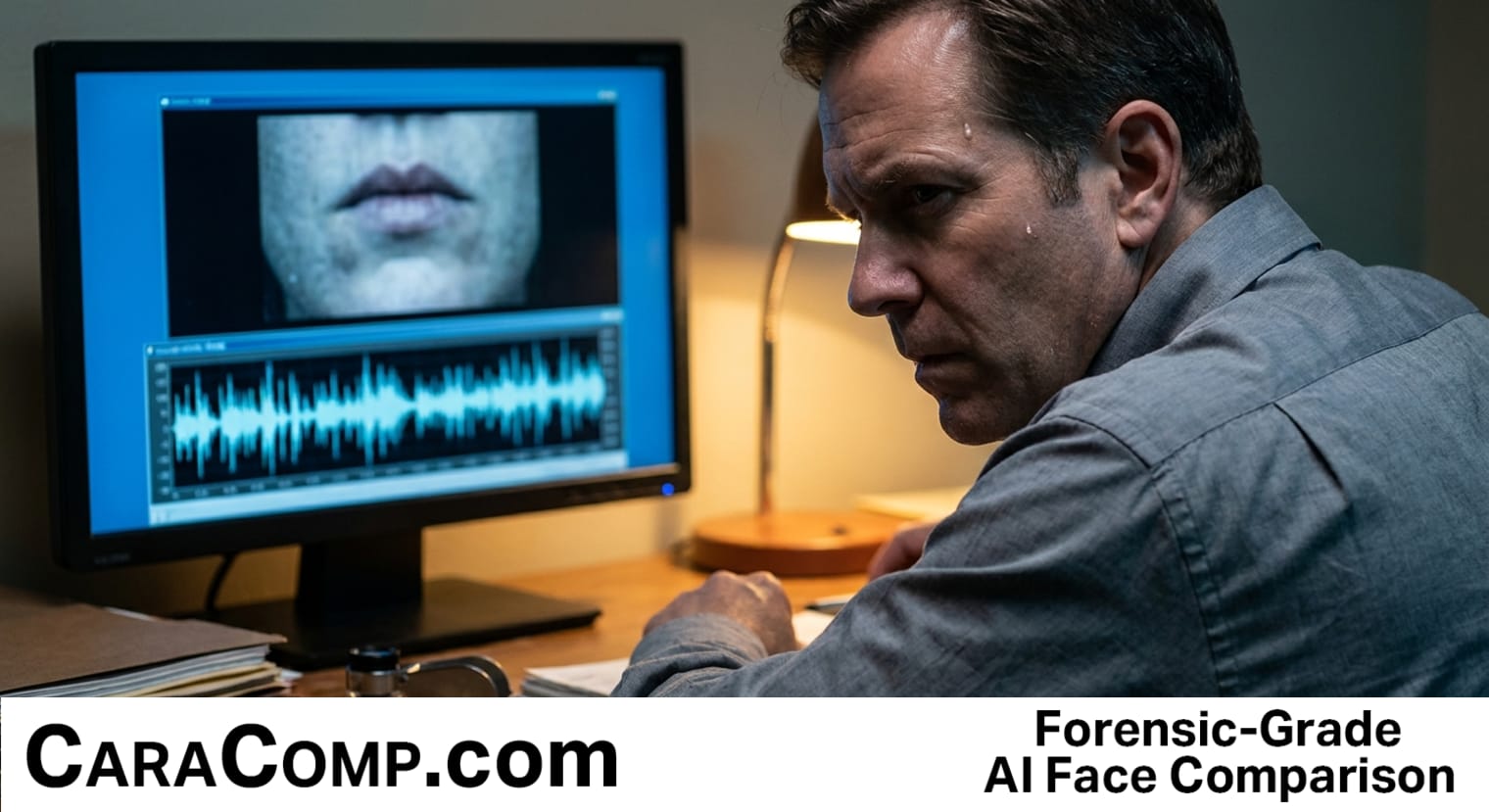
Your brain is biologically incapable of spotting the next generation of synthetic evidence, and if you are still relying on your "expert eye" to close cases, you are operating on a prayer. New data confirms that a staggering 99.9% of people cannot distinguish between a real human and a high-quality deepfake. This isn't because investigators are lazy or untrained; it’s because the flaws in synthetic media have moved into microsecond timing gaps that the human nervous system simply didn't evolve to process.
For the solo private investigator or the OSINT researcher, this is a professional emergency. We have reached the point where "eyeballing it" is no longer a viable investigative methodology—it is a liability. While you are squinting at a screen looking for blurry pixels or unnatural lighting, the real indicators of forgery are hidden in the Euclidean distance between facial landmarks and the synchronization of phonemes. If you can’t see the gap, you can’t catch the lie. This shift marks the end of the manual era and the beginning of the biometric era for the private sector.
At CaraComp, we know that the biggest threat to a modern investigation isn't just the existence of deepfakes, but the hubris of thinking you don't need enterprise-grade analysis to spot them. To stay ahead of the curve, investigators must transition from subjective "visual checks" to objective case analysis. You need tools that measure what your eyes can’t—calculating the mathematical probability of identity rather than relying on a gut feeling that won't stand up in a courtroom. The "identity gap" is widening, and those who refuse to adopt affordable, high-caliber facial comparison tech are essentially handing their clients over to tech-savvy competitors.
- The "Gut Feeling" is a Professional Liability: Relying on human perception for identity verification in the age of AI is a fast track to a missed match or a ruined reputation.
- Mathematical Proof is the New Standard: Court-ready reports must transition from "it looks like him" to data-driven Euclidean distance analysis that provides a verifiable confidence score.
- Affordable Tech is the Only Shield: You don't need a federal budget to fight synthetic fraud, but you do need tools that move faster than the manual methods currently wasting your billable hours.
The choice is simple: evolve your toolkit to measure the invisible, or continue trusting a brain that is literally wired to be fooled.
Read the full article on CaraComp: Only 1 in 1,000 People Can Spot a Deepfake — Here's the Microsecond Gap Your Brain Misses


Comments
Post a Comment