One Boolean Flag Broke the EU's Age Check. The $10.4B Industry Has the Same Flaw.
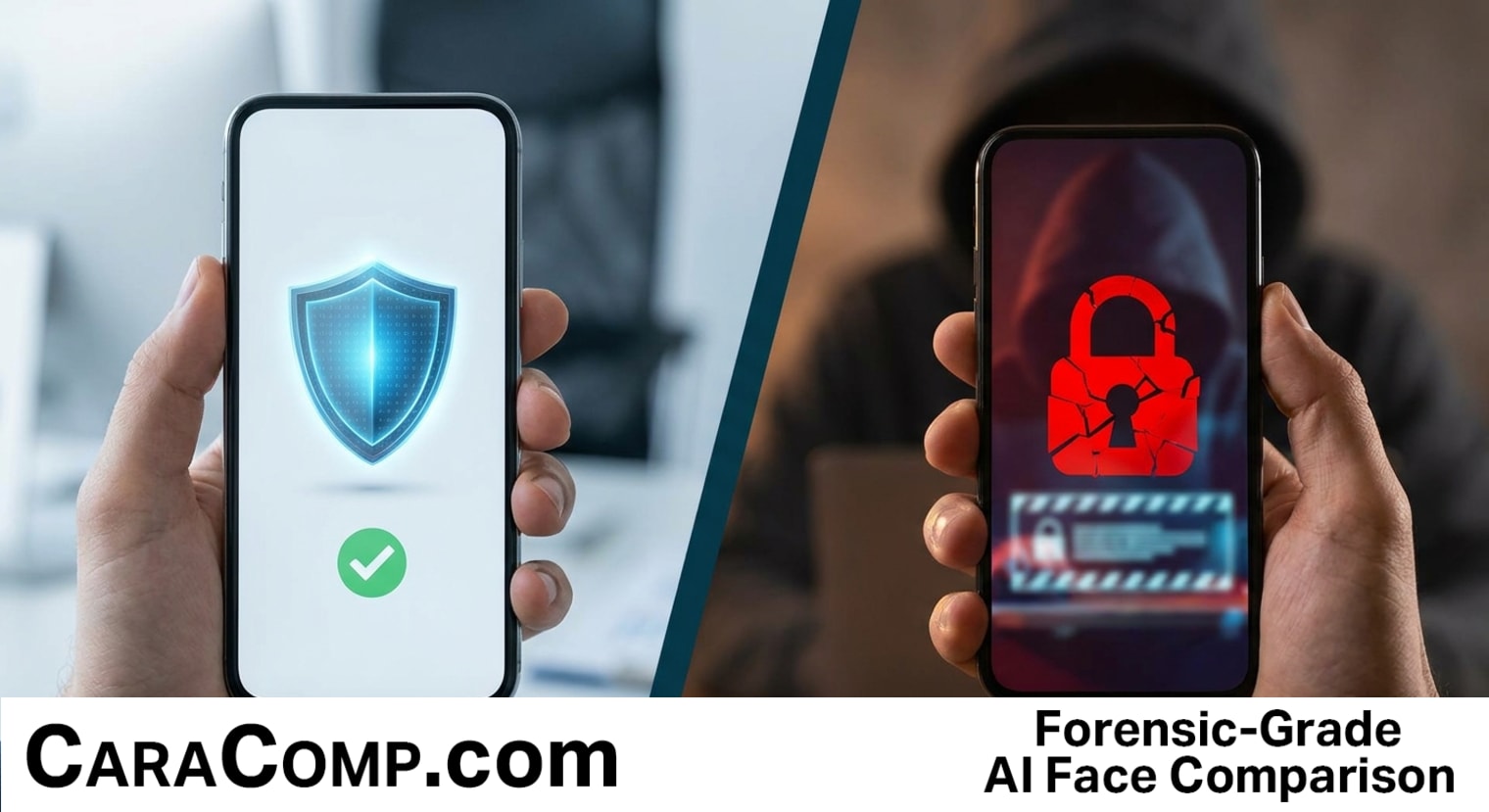
The European Union spent millions on "age assurance" only to have the entire system dismantled in 120 seconds by a researcher flipping a single text-file flag from "true" to "false." This isn't just a coding blunder; it is a total collapse of the "enterprise" security theater that solo investigators are frequently told to trust. If a $10.4 billion industry can’t secure a simple boolean flag, why are private investigators still being told that expensive, multi-thousand-dollar enterprise contracts are the only way to access "reliable" biometric analysis?
For the professional investigator, this news highlights a dangerous conflation between facial estimation and facial comparison. The EU app failed because it was playing a probability game—trying to guess age based on a "look." In the investigative world, we don't guess. We analyze. While the industry pours money into "estimation" tools designed for compliance officers, the boots-on-the-ground professional needs precision Euclidean distance analysis that proves identity, not a tool that flags everyone under 30 as a potential risk.
The real takeaway here is the failure of the threat model. Designers assumed the adversary was an unsophisticated teenager, not a motivated user with a basic "life hack" tutorial. For OSINT researchers and PIs, this is a reminder that the most expensive "enterprise-grade" tools are often the most fragile because they are built for bureaucrats, not for the high-stakes reality of a fraud case or a missing persons search. We need technology that prioritizes the raw mathematical distance between facial features—data that doesn't care about makeup, lighting, or configuration bypasses.
- The "Compliance" Trap: Most enterprise biometric tools are built for checkboxes, not courtrooms. When the workflow can be bypassed in two minutes, the "accuracy" of the underlying AI becomes irrelevant.
- Estimation vs. Comparison: Guessing an age (estimation) is a liability; proving a match (comparison) is an asset. Investigators must stop relying on tools that offer "probability scores" and start using tools built for Euclidean precision.
- Mainstream Evasion: Bypass tactics are now viral. If your investigative workflow relies on a tool that "just works" because it hasn't been challenged yet, you are one software update away from a failed case.
The industry is doubling in size while its architectural soundness is shrinking. For the solo PI, the path forward isn't chasing $2,000-a-year enterprise contracts that collapse under pressure. The path forward is using leaner, focused technology that treats facial comparison as a science, not a suggestion. Stop paying for the "enterprise" label and start paying for the math that actually closes cases.
Read the full article on CaraComp: One Boolean Flag Broke the EU's Age Check. The $10.4B Industry Has the Same Flaw.


Comments
Post a Comment