Meta's Smart Glasses Can ID Strangers in Seconds. 75 Groups Say Kill It Now.
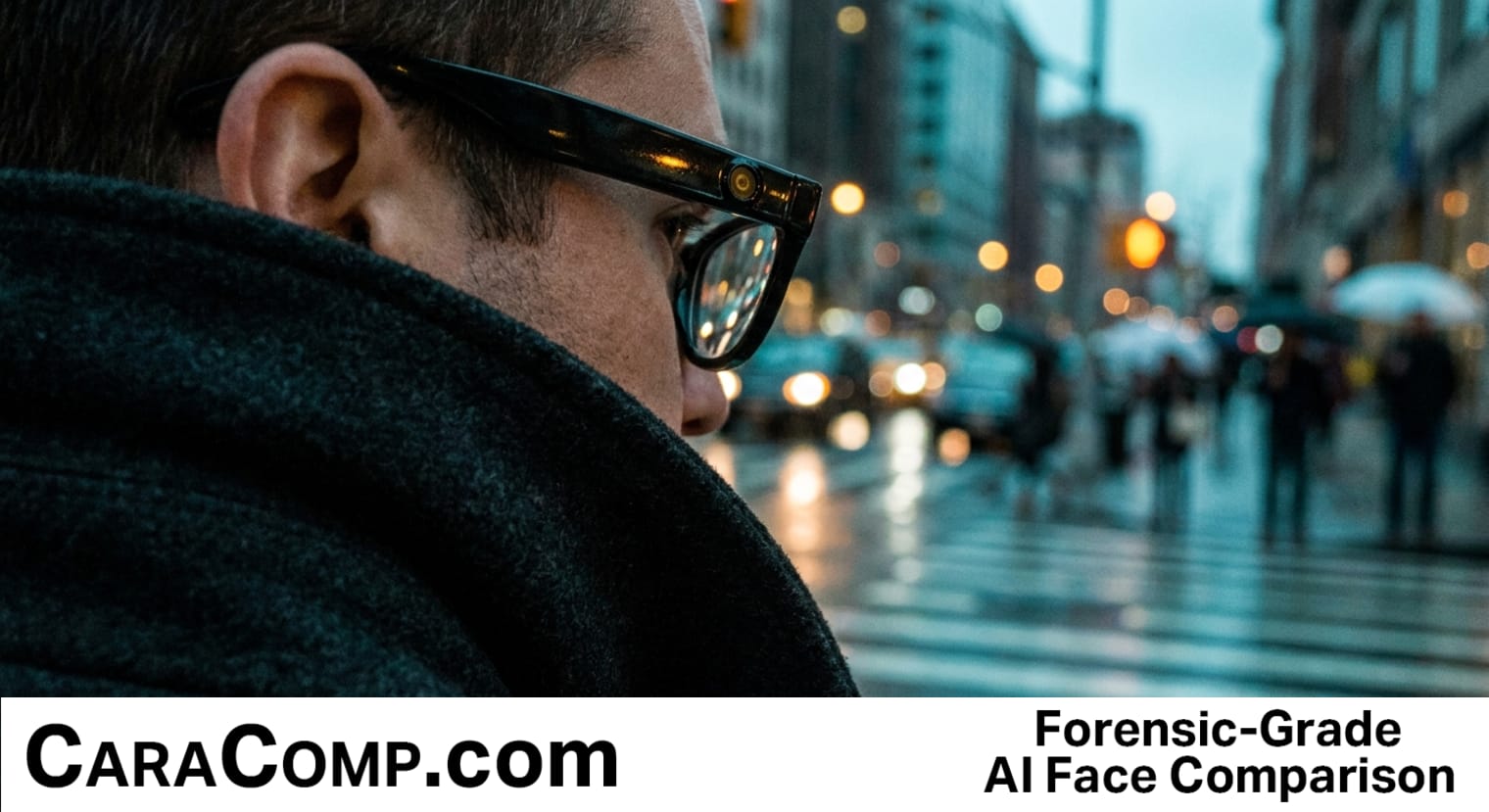
A Harvard researcher recently proved that anyone wearing a pair of commercial smart glasses can dox a stranger on the street in seconds, and it is the single biggest threat to the legitimacy of professional investigation technology we’ve seen this decade. While the headlines focus on a coalition of 75 civil liberties groups demanding Meta kill its "Name Tag" feature, the real casualty isn't a pair of high-tech frames—it’s the reputation of every private investigator and OSINT professional who uses facial comparison technology for legitimate case work.
The public is rightfully spooked by ambient identification—the idea of being scanned while simply existing in public. However, for those of us in the trenches of insurance fraud and missing persons cases, this backlash creates a dangerous lack of nuance. There is a massive operational chasm between scanning a crowd for social media handles and conducting a focused, Euclidean distance analysis on specific photos to confirm a person of interest. One is a privacy nightmare; the other is a standard, court-ready methodology used to close cases.
When the media and regulators fail to distinguish between "surveillance" and "comparison," solo PIs and small firms are the ones who suffer. We are already seeing the regulatory shadow looming. If the industry can’t separate consumer toys from professional forensic tools, small firms will be priced out or legislated out of the enterprise-grade tech they need to stay competitive.
- The "creepy" factor will drive broad regulation: As public outcry against real-time public scanning grows, expect tighter restrictions that could inadvertently restrict access to professional facial comparison tools. Investigators must pivot to platforms that emphasize case-specific analysis rather than mass scanning to stay ethically and legally defensible.
- Accuracy is no longer optional: With the rise of these debates, the reliability of your results is under a microscope. Relying on "eyeballing" photos or using low-tier consumer search tools puts your reputation at risk. Professionals need tools that provide structured, enterprise-grade analysis that can withstand a cross-examination.
We don’t need ambient scanning to be effective investigators. We need powerful, affordable, and defensible comparison tools that turn hours of manual photo review into seconds of precision. The glasses might be a gimmick, but the Euclidean distance analysis behind them is essential for any modern investigator who refuses to be left behind by tech-savvy competitors.
Read the full article on CaraComp: Meta's Smart Glasses Can ID Strangers in Seconds. 75 Groups Say Kill It Now.


Comments
Post a Comment