ICE's New 'Google Maps' for People: Confidence Score, Wrong Neighborhood, Real Consequences
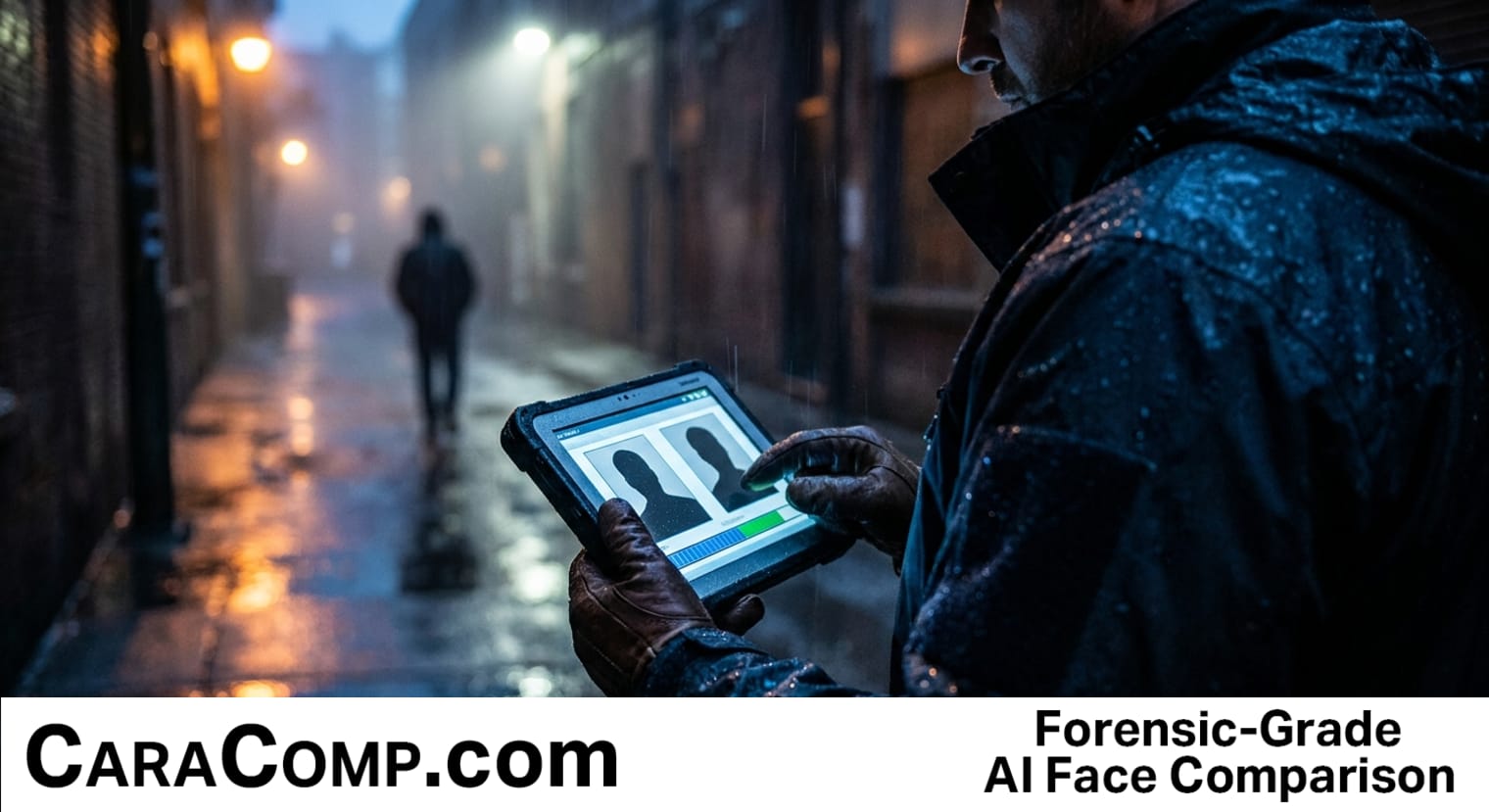
When an ICE official testifies under oath that their new investigation technology is "kind of like Google Maps" for locating people—while admitting it can be wrong even when displaying a high confidence score—every professional investigator should be on high alert. This isn't just a story about government contracts; it’s about a fundamental breakdown in investigative methodology that threatens the credibility of biometric analysis across the board.
The real issue isn't the billion-dollar budget; it’s the dangerous shift from rigorous desk-based analysis to real-time, field-portable "probabilistic" decisions. For a solo private investigator or an OSINT researcher, a "neighborhood-level" lead isn't an investigation; it’s a liability. While federal agencies play fast and loose with "black box" algorithms, the private sector is often left to clean up the reputational mess when these systems fail. We know that a confidence score is just the beginning of a case analysis, not the conclusion. Treating a probability as a verdict is how innocent people get flagged and how professionals lose their licenses.
For those of us in the field who can't afford enterprise-grade mistakes, the demand for precision has never been higher. You don't need a "Google Maps" for humans that points to the wrong side of the street; you need reliable facial comparison that uses Euclidean distance analysis to back up your findings with science, not guesses. The gap between what federal agencies use and what solo PIs can afford is finally closing, but the requirement for human-led, professional review remains the gold standard for anyone presenting evidence in court.
- Confidence scores are not identity determinations. Treating a probabilistic match as a field-ready verdict ignores the core discipline of facial comparison and creates massive legal risks for investigators who stake their reputation on their results.
- The "Google Maps" approach to identity is a professional liability. Neighborhood-level leads might work for federal dragnets, but solo investigators require exact, court-ready reporting that holds up under cross-examination.
- Institutional scrutiny will force a technology reckoning. As Congress investigates these field tools, the industry will pivot toward platforms that prioritize transparent methodology and human-in-the-loop analysis over automated "enforcement" guesses.
If you're still relying on manual comparisons or shaky consumer-grade search engines to close cases, you’re operating in the past while the feds are weaponizing the future. It’s time to adopt investigative tech that puts the power of a federal agency into the hands of the solo investigator—without the billion-dollar price tag or the probabilistic errors.
Read the full article on CaraComp: ICE's New 'Google Maps' for People: Confidence Score, Wrong Neighborhood, Real Consequences


Comments
Post a Comment