ICE's $7.5M Face-Scanning Glasses Hit Streets by 2027 — And the Industry's Silence Is Complicity
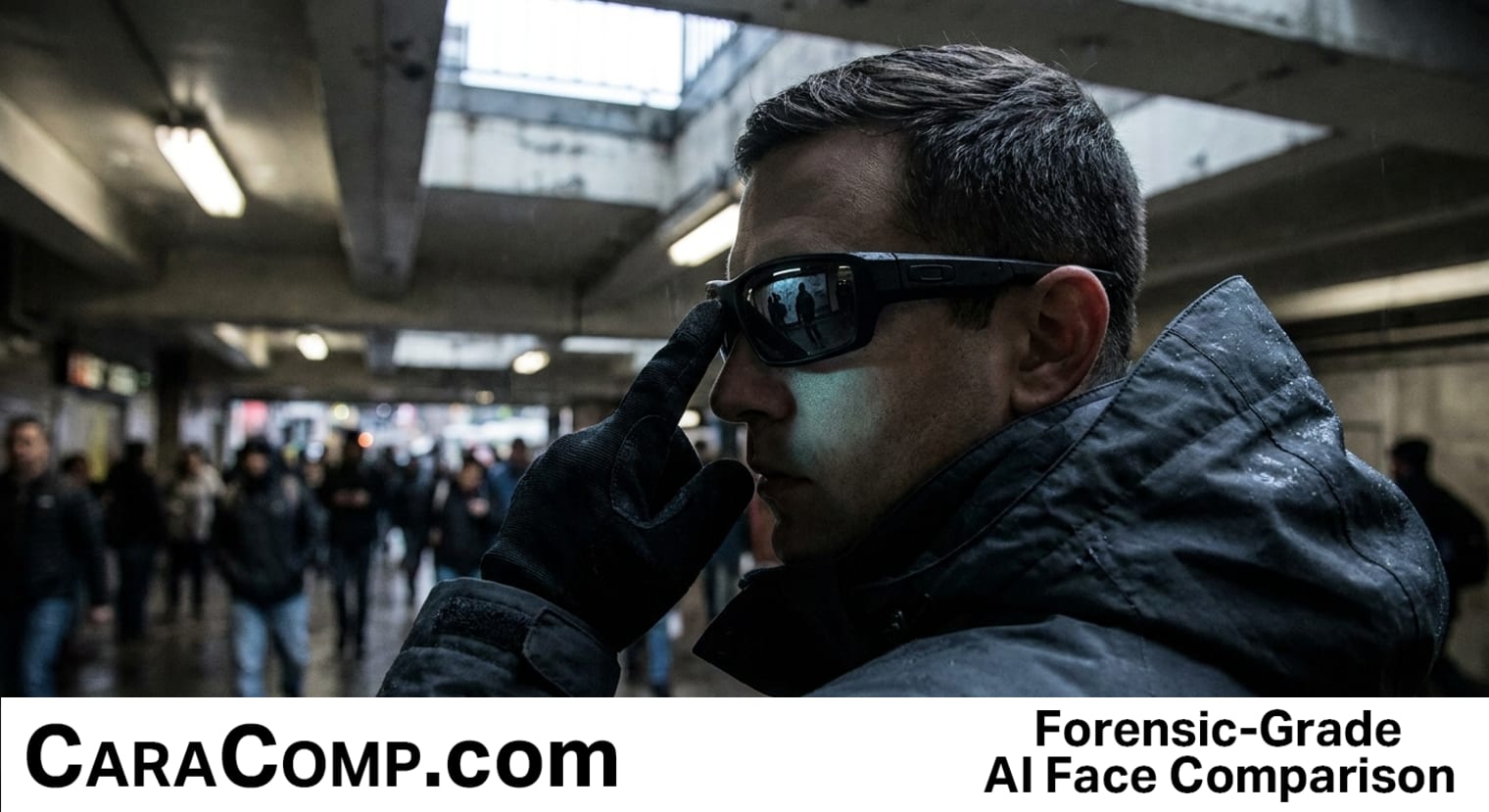
The Department of Homeland Security is preparing to spend $7.5 million to turn ICE agents into walking biometric scanners by 2027, and if you are a private investigator or OSINT professional, you should be terrified—not of the technology itself, but of the inevitable regulatory blowback. By putting real-time facial identification into wearable glasses, the federal government is effectively erasing the line between forensic case analysis and mass surveillance. For those of us in the industry who rely on facial comparison to solve cases, this isn't progress; it’s a structural threat to our credibility.
The distinction that matters most to the professional investigator is the difference between "comparison" and "scanning." Controlled facial comparison is a standard investigative methodology where an expert uses Euclidean distance analysis to compare evidence in an existing case. It is a slow, deliberate process where a human stays in the loop to verify results before taking action. ICE’s smart glasses flip this model on its head. They scan everyone in an agent's field of vision, triggering real-time alerts that drive physical encounters before a human can even review the match quality. This removes the analytical buffer that prevents false positives from turning into wrongful detentions.
When high-profile agencies deploy "always-on" biometric wearables, the public understandably panics. This panic rarely distinguishes between a solo PI using affordable, enterprise-grade analysis to catch an insurance fraudster and a federal agency scanning a crowd at a protest. As the industry moves toward 2027, the implications for the private sector are clear:
- The Death of the Human-in-the-Loop: Real-time field identification prioritizes speed over accuracy, removing the critical checkpoint where an investigator verifies a match before evidence is presented.
- Regulation by Association: Broad-brush legislative bans triggered by federal surveillance projects could strip solo investigators of the legitimate, case-based comparison tools they need to stay competitive.
- The Accuracy Paradox: Deploying tech at "walking speed" increases the risk of false positives, especially among marginalized groups, which further damages the reputation of Euclidean distance analysis as a forensic tool.
We need to be louder about the difference between a research tool and an enforcement trigger. If we don't draw that line now, we’ll all be painted with the same brush when the regulations finally land. At CaraComp, we believe in giving the solo investigator the same caliber of tech as the feds, but we must insist on its use as a forensic scalpel, not a surveillance dragnet.
Read the full article on CaraComp: ICE's $7.5M Face-Scanning Glasses Hit Streets by 2027 — And the Industry's Silence Is Complicity


Comments
Post a Comment