Discord Leaked 70,000 IDs Answering One Simple Question: Are You 18?
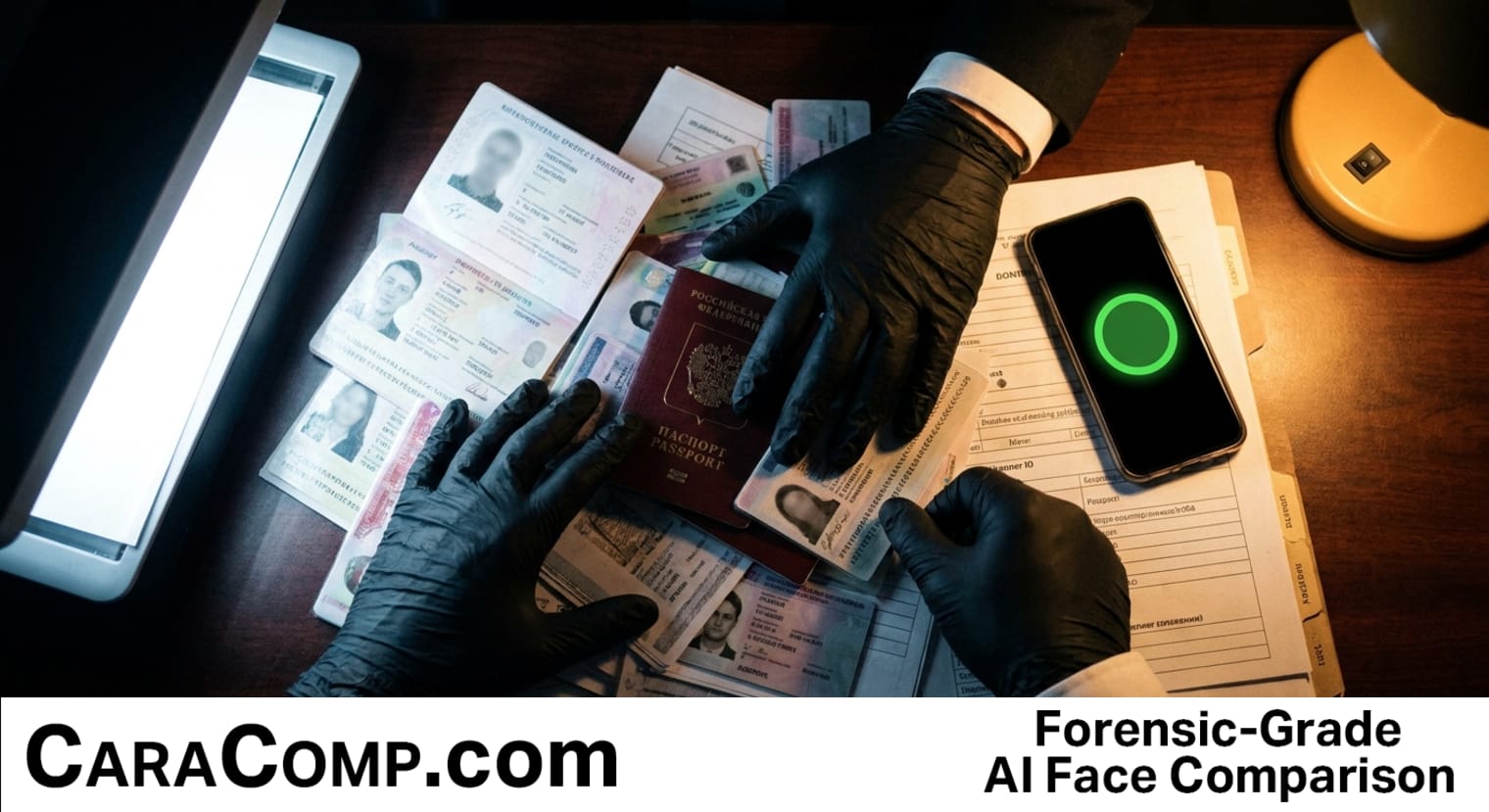
Discord didn’t just fail a security audit; they proved that most tech platforms are still treating identity data like a digital junk drawer. When 70,000 government-issued IDs are leaked because a company wanted to know if a user was 18, it is not a "glitch." It is a fundamental failure of data minimization architecture. For those of us in the investigation and OSINT world, this disaster is a loud wake-up call about the critical difference between knowing a fact and owning a person's entire identity profile.
The core problem isn't the breach itself—it is the absurd over-collection that preceded it. To verify a single binary threshold—is this user over or under 18—platforms are demanding full scans of passports and driver’s licenses. That is the digital equivalent of a bouncer taking a high-resolution photocopy of your birth certificate and filing it away in a basement just to let you into a bar. For solo investigators, law enforcement detectives, and insurance SIU units, this disaster highlights why professional methodology must focus on surgical facial comparison rather than mass-scale data harvesting.
When you are working a case, the goal is precision. You do not need a centralized database of 70,000 strangers; you need to know if the person in Image A is the same as the person in Image B. This is where Euclidean distance analysis and threshold-based verification become the investigator’s best friends. By moving away from massive "identity repositories" and toward case-specific analysis, we eliminate the toxic liability that just sunk Discord’s reputation.
- Data over-collection is the ultimate investigative liability. If you do not need a subject’s home address or passport number to close a fraud case, do not touch it. The more data you store, the more you have to defend in court—or explain during a breach.
- Comparison is the professional standard, not surveillance. The future of investigative technology isn't about scanning the world; it's about comparing specific evidence using high-fidelity tools that provide court-ready reporting without the "Big Brother" baggage of identity databases.
- Surgical tools beat enterprise bloat. Small firms and solo PIs cannot afford the legal nightmare of a data leak. Using lean, comparison-focused software provides the same technical caliber as federal agencies without the risk of mass identity storage.
We have reached a point where "more data" actually means "more risk." Smart investigators are already moving toward tools that prioritize analysis over accumulation. If you are still manually squinting at photos for three hours, you are not just being inefficient—you are falling behind a world where precision beats volume every time.
Read the full article on CaraComp: Discord Leaked 70,000 IDs Answering One Simple Question: Are You 18?


Comments
Post a Comment