Deepfake Fraud Tripled to $1.1B. Your Evidence Workflow Didn't.
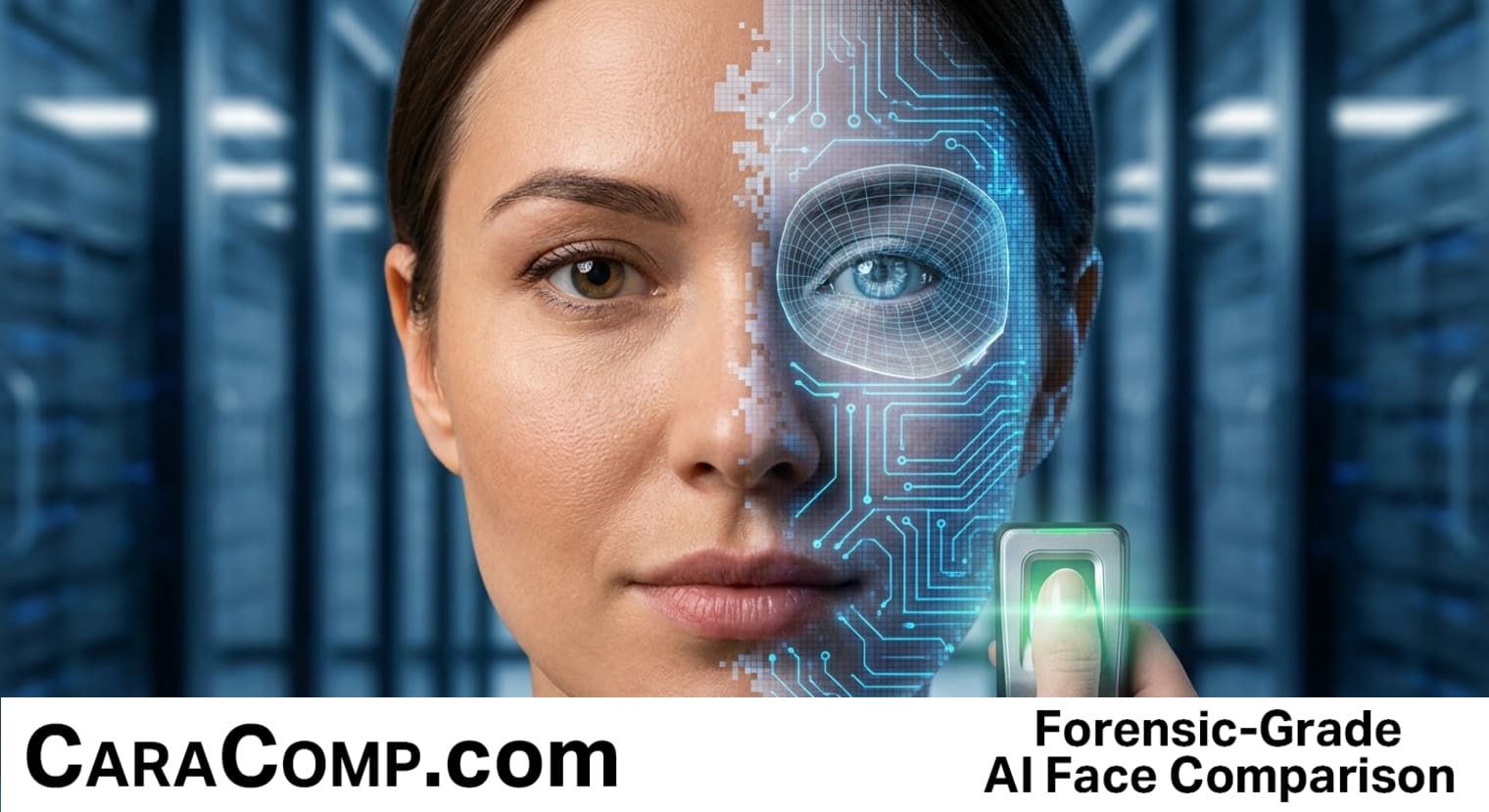
When a Pennsylvania State Police corporal can mass-produce thousands of synthetic images and a South Florida man can trigger an armed deputy response with a single fake video, the visual evidence sitting on your desk just lost its "gold standard" status. We have officially entered the age of industrialized deception. Deepfake-related fraud losses hit $1.1 billion in 2025—tripling in a single year—because the tools for creating "truth" are now cheaper and faster than the tools for verifying it. For the solo private investigator or OSINT researcher, this isn't just a tech trend; it’s a direct threat to your professional credibility.
The "Deepfake-as-a-Service" model has commoditized fraud. You no longer need a degree in neural networks to manufacture a crisis; you just need a credit card. While bad actors are using these tools to scale their operations, many investigators are still stuck in the dark ages, manually squinting at photos for three hours or relying on unreliable consumer-grade search tools that lack forensic depth. If you aren't using enterprise-grade Euclidean distance analysis to verify identity, you are essentially guessing—and in a court of law, guessing is a career-ender.
At CaraComp, we see this shift clearly. The distinction between facial recognition (scanning crowds for surveillance) and facial comparison (mathematically analyzing two specific images for a case) has never been more critical. Investigators don't need a "big brother" database; they need a scientific way to prove that the person in "Photo A" is mathematically the same as the person in "Photo B," regardless of synthetic noise or digital manipulation.
- The Burden of Proof has Shifted: Authenticity can no longer be assumed. Every piece of visual evidence now requires a secondary layer of mathematical verification to survive a cross-examination.
- Manual Comparison is a Professional Liability: Relying on the human eye is no longer sufficient when synthetic media is designed specifically to fool it. Euclidean distance analysis provides the "why" behind a match that stands up in a report.
- Tech Parity is Mandatory: If your subject is using $1.1 billion worth of tech to hide or defraud, and you’re using manual methods to catch them, the gap is too wide to bridge without enterprise-grade comparison tools.
The investigators who will dominate the next five years are the ones who treat facial comparison as a standard protocol, not an exotic luxury. It’s about closing cases faster and presenting results that make you look like the most tech-savvy professional in the room.
Read the full article on CaraComp: Deepfake Fraud Tripled to $1.1B. Your Evidence Workflow Didn't.


Comments
Post a Comment