Courts Won't Ask If You Spotted the Deepfake. They'll Ask If You Even Looked.
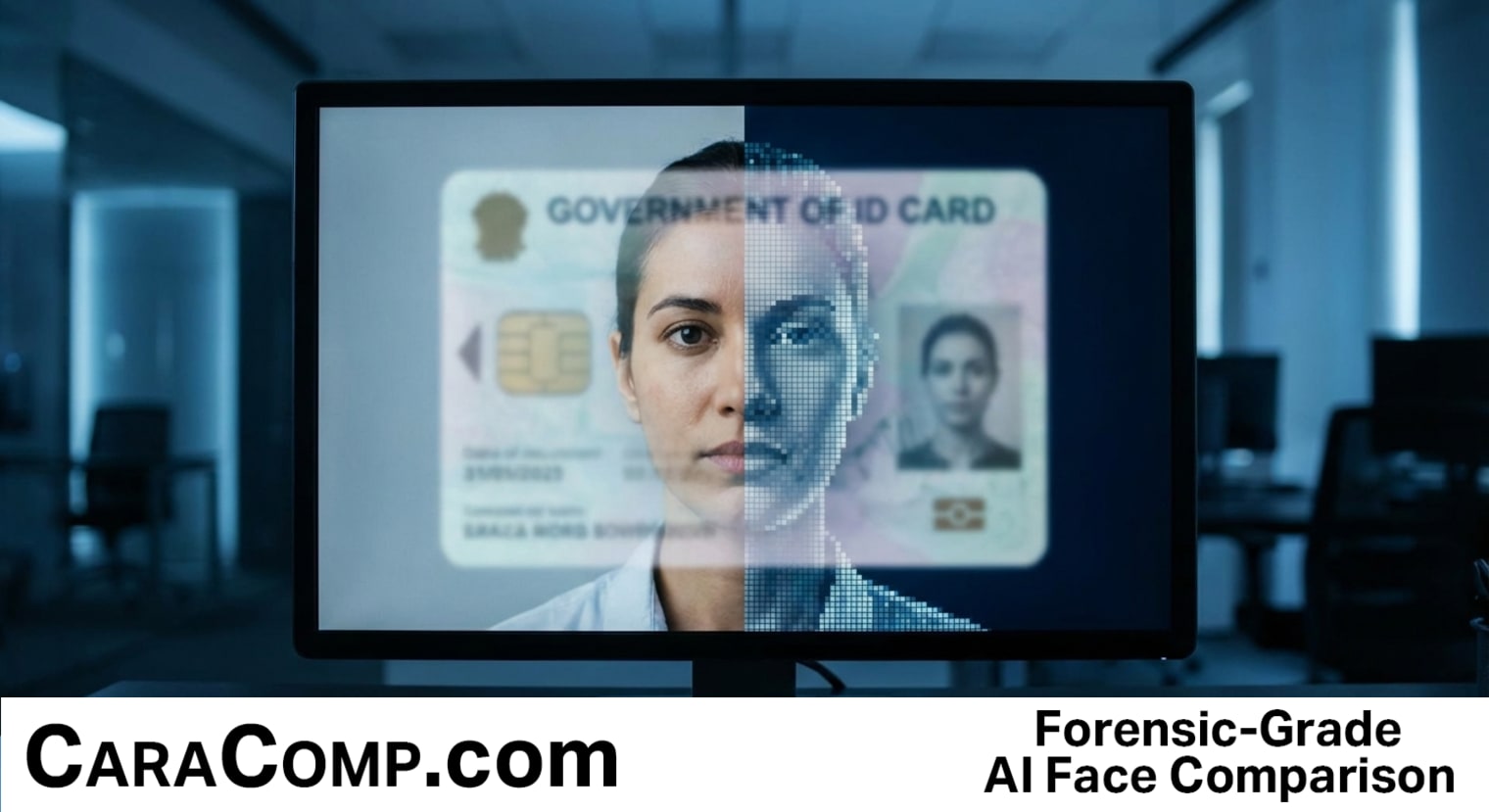
Louisiana just fired a warning shot that should have every solo investigator checking their professional liability coverage. HB 178 isn't just another piece of tech legislation; it marks a fundamental shift where "I didn't know it was a deepfake" ceases to be a valid legal excuse. For the first time, we are seeing "reasonable diligence" explicitly redefined to include the active authentication of synthetic media. If you are still relying on your gut feeling to verify a face, you are already behind the legal curve.
The problem for the modern investigator isn't just the existence of AI-generated content; it’s the migration of the regulatory burden. As global powers like India push for mandatory KYC (Know Your Customer) on social platforms, the expectation of identity certainty is rising across the board. When platforms are forced to verify their users, the courts will naturally turn to investigators and ask: "If the platform had to check the identity, why didn't you?" Relying on a manual "eyeball test" in this environment is more than just outdated—it’s professionally reckless.
For solo PIs and small firms, this creates a massive identity gap. Most enterprise facial comparison tools are priced exclusively for government agencies with massive budgets, leaving the independent investigator to gamble their reputation on manual methods or unreliable consumer search tools. However, as standards like the proposed Federal Rule of Evidence 707 loom, the requirement for a documented, repeatable methodology becomes undeniable. You don't just need to be right; you need to be able to prove exactly how you reached your conclusion using industry-standard Euclidean distance analysis.
The shift from an "assumption of authenticity" to an "active forensic methodology" means your workflow must evolve immediately. If your case file doesn't include a side-by-side comparison report backed by biometric analysis, you aren't just missing a potential match—you’re missing a critical layer of professional protection that clients will soon demand as a baseline service.
- The "eyeball test" is legally dead: Passive observation of digital evidence is being replaced by a judicial requirement for documented forensic verification and repeatable results.
- Documentation is your professional shield: As deepfake laws proliferate in nearly every state, the absence of a formal facial comparison report becomes a major liability in professional negligence claims.
- Enterprise-grade analysis is now the baseline: Solo investigators must adopt the same Euclidean distance math used by federal agencies to meet the rising "standard of care" in modern courtrooms.
If the courts start demanding a documented due diligence step for every digital photo in your case file, where does your current process break first? It’s time to move beyond manual comparison before the legal system moves past you. Drop a comment if you've ever spent hours comparing photos manually and realized your reputation was on the line.
Read the full article on CaraComp: Courts Won't Ask If You Spotted the Deepfake. They'll Ask If You Even Looked.


Comments
Post a Comment