'Call to Confirm' Is Dead. Carrier-Level Voice Cloning Killed It.
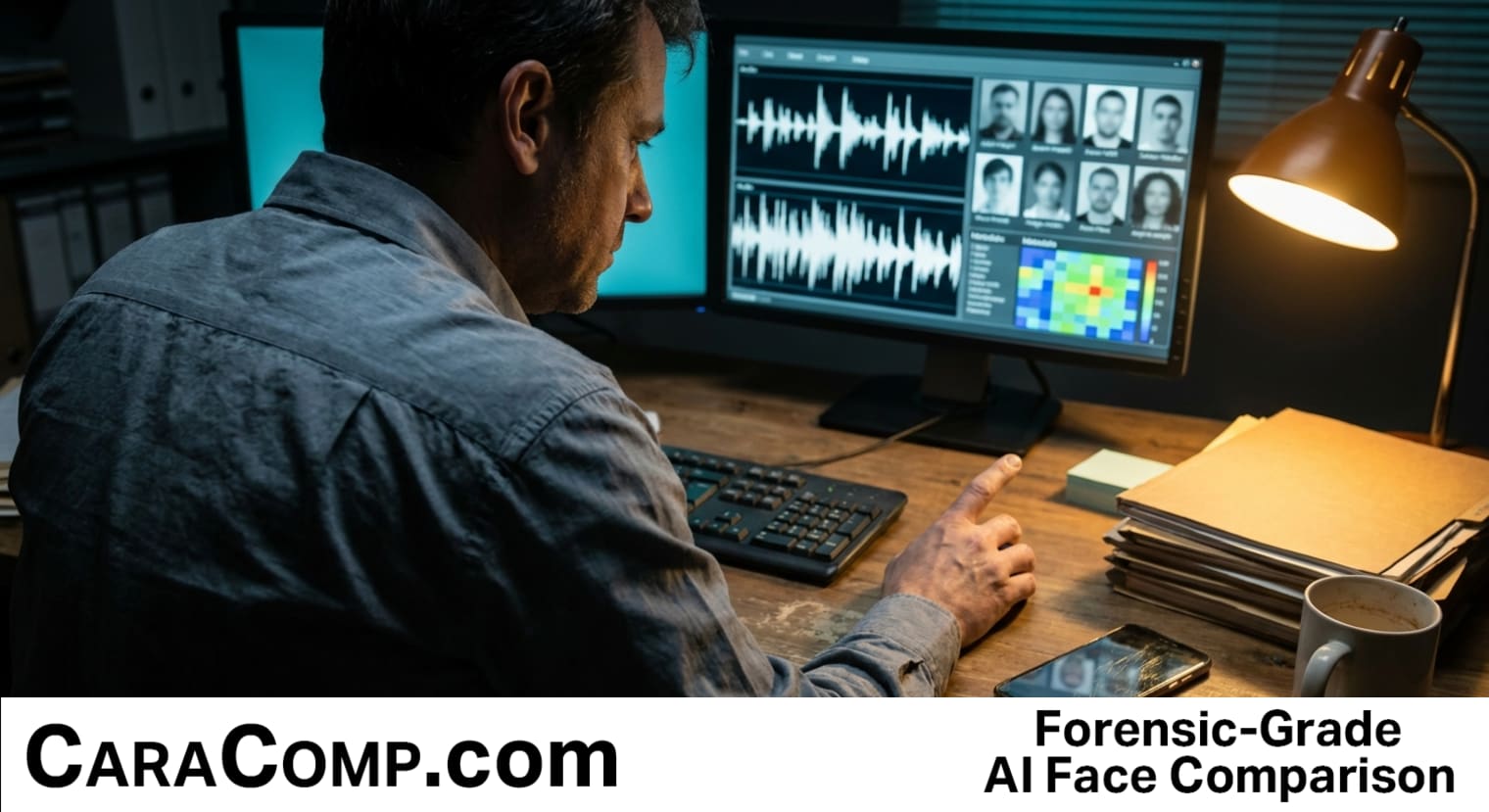
The traditional phone call—long the gold standard for verifying a client’s identity or authorizing a high-stakes wire transfer—just became a massive liability. When AI voice cloning moves from "shaky app" to "carrier-level infrastructure," the internal logic of a phone-based investigation collapses. We are no longer looking at a tech trend; we are witnessing the permanent extinction of voice as a reliable identity signal.
For solo private investigators and OSINT professionals, this is a wake-up call. If a voice can be cloned at the network layer, utilizing actual carrier metadata and routing, the human ear is officially obsolete as a detection tool. Research shows human accuracy in spotting high-quality synthetic voice drops to nearly 24%. In three out of four cases, your gut instinct will fail you. For an investigator, those odds are a professional death sentence.
This shift forces a pivot toward visual evidence. Unlike a real-time voice call, which leaves no forensic artifact to analyze after the fact, facial comparison provides a durable, examinable record. When the audio layer becomes untrustworthy, investigators must look to the visual layer—using Euclidean distance analysis to compare faces across case photos—to anchor their identity verification. If you cannot trust what you hear, you must rely on what you can mathematically prove through facial comparison.
The implications for the field are immediate and unforgiving:
- Voice is now context, not proof. Any investigative workflow that ends with "call to confirm" is functionally broken. Verification must move to multi-modal stacks where facial comparison against documented records serves as the primary anchor.
- The evidentiary gap is widening. Real-time voice cloning at the carrier level leaves no waveform artifacts for traditional forensics. This makes court-ready reporting and batch comparison of visual assets the only way to build a defensible case.
- Technology is the only defense. Solo investigators can no longer rely on manual methods or "instinct" to keep up with enterprise-grade spoofing. Affordable, high-caliber investigation technology is now a requirement for survival, not a luxury.
The investigators who thrive in this new landscape will be those who stop treating voice as a signature and start treating it as a lead. By shifting the weight of identity verification to visual analysis and professional-grade comparison tools, you protect your reputation from a threat that the telecom industry just made permanent.
Read the full article on CaraComp: 'Call to Confirm' Is Dead. Carrier-Level Voice Cloning Killed It.


Comments
Post a Comment