Age Verification Just Changed Forever: Your Face Gets Checked Once — Then Never Again
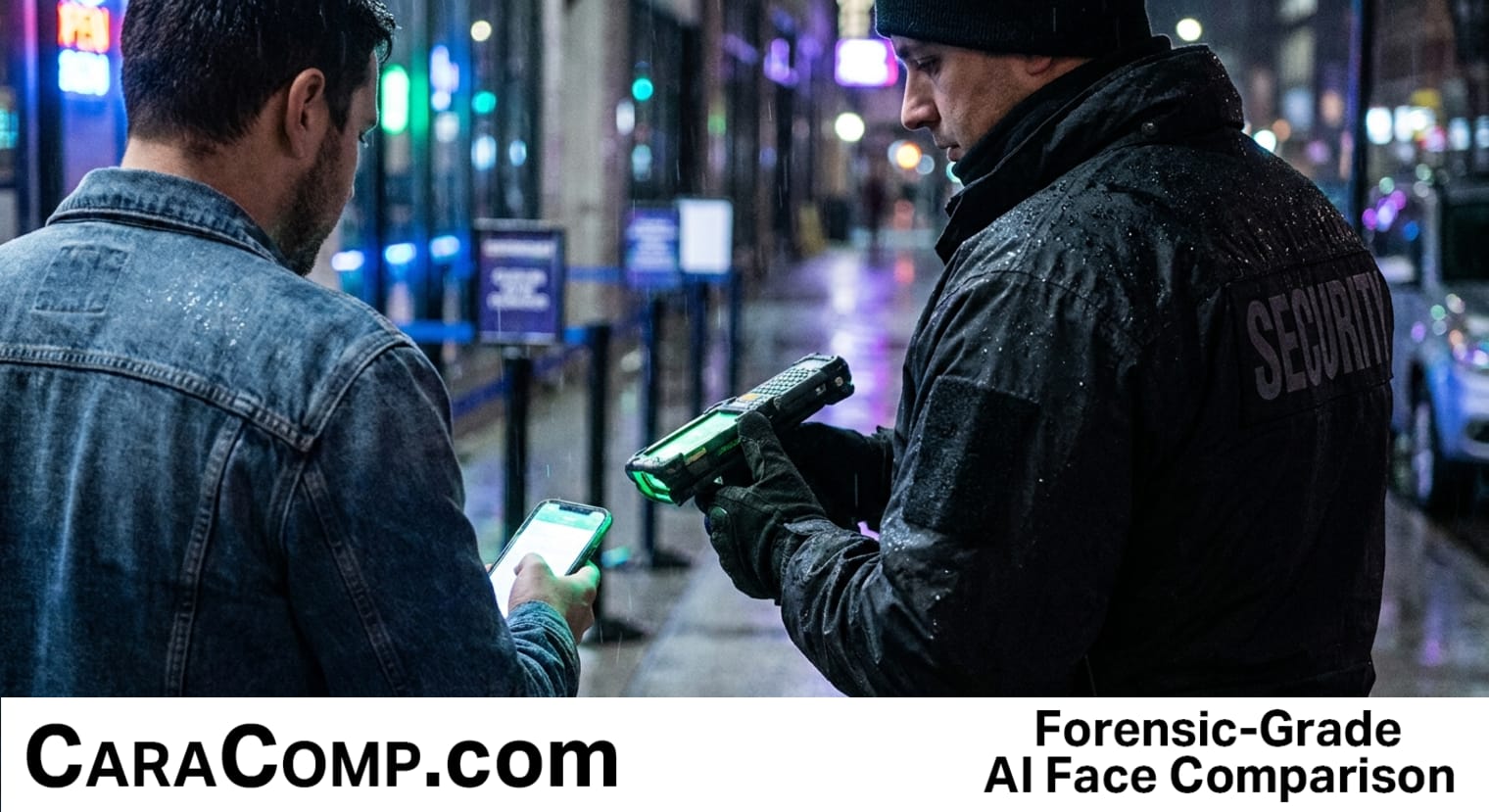
The bouncer at the door is officially a relic of the past, and if you think that only affects teenagers trying to buy beer, you’re missing the seismic shift occurring in the biometric landscape. We are witnessing the death of the "repeated face check." New interoperable systems mean a person’s facial geometry is analyzed once, cryptographically sealed, and never scrutinized again. For investigators, this isn't just about privacy—it's about the "source of truth" moving further away from the field and into the hands of upstream certification authorities.
When age verification goes interoperable—as seen in the recent demonstrations by industry leaders—it relies on a single, high-fidelity facial comparison at the point of issuance. This is Euclidean distance analysis in action at the highest level. But here’s the problem for the boots-on-the-ground professional: when the "automated" system returns a simple binary signal, the visual paper trail for an investigator disappears. If you aren't using enterprise-grade comparison tools in your own casework, you're effectively flying blind while the rest of the world moves to a "trust but verify" cryptographic model.
For the solo private investigator or OSINT researcher, this trend highlights a widening tech gap. While global networks use this technology to automate trust, many investigators are still stuck manually squinting at grainy CCTV footage or social media profile photos for three hours a day. If the goal of the identity industry is to make the face check invisible, your job as an investigator is to make your analysis undeniable. You need the same caliber of Euclidean distance analysis used by billion-dollar identity networks, but without the enterprise price tag that eats your entire margin.
- The Single-Point-of-Failure Shift: As facial comparison moves upstream to "issuance-only" models, the accuracy of that initial match becomes the only thing that matters. Investigators must have the tools to audit and verify these matches independently to catch fraud at the source.
- The Disappearing Evidence Trail: Interoperable IDs use zero-knowledge proofs, meaning face data stays hidden. Investigators will increasingly need to rely on their own independent facial comparison workflows to build a case when digital credentials aren't available or are being spoofed.
- Standardization of Results: As cryptographic "proofs" become the new standard for truth, a PI's manual "gut feeling" will no longer hold up. Professional, data-backed reports are now the baseline requirement for court-ready evidence.
The industry is moving toward a world where the face is checked once and then forgotten. As an investigator, your edge lies in being the one who can still perform that check with precision when the automated systems aren't watching.
Read the full article on CaraComp: Age Verification Just Changed Forever: Your Face Gets Checked Once — Then Never Again


Comments
Post a Comment