1 in 25 Kids Are Now Deepfake Victims — and Your Investigators Aren't Ready
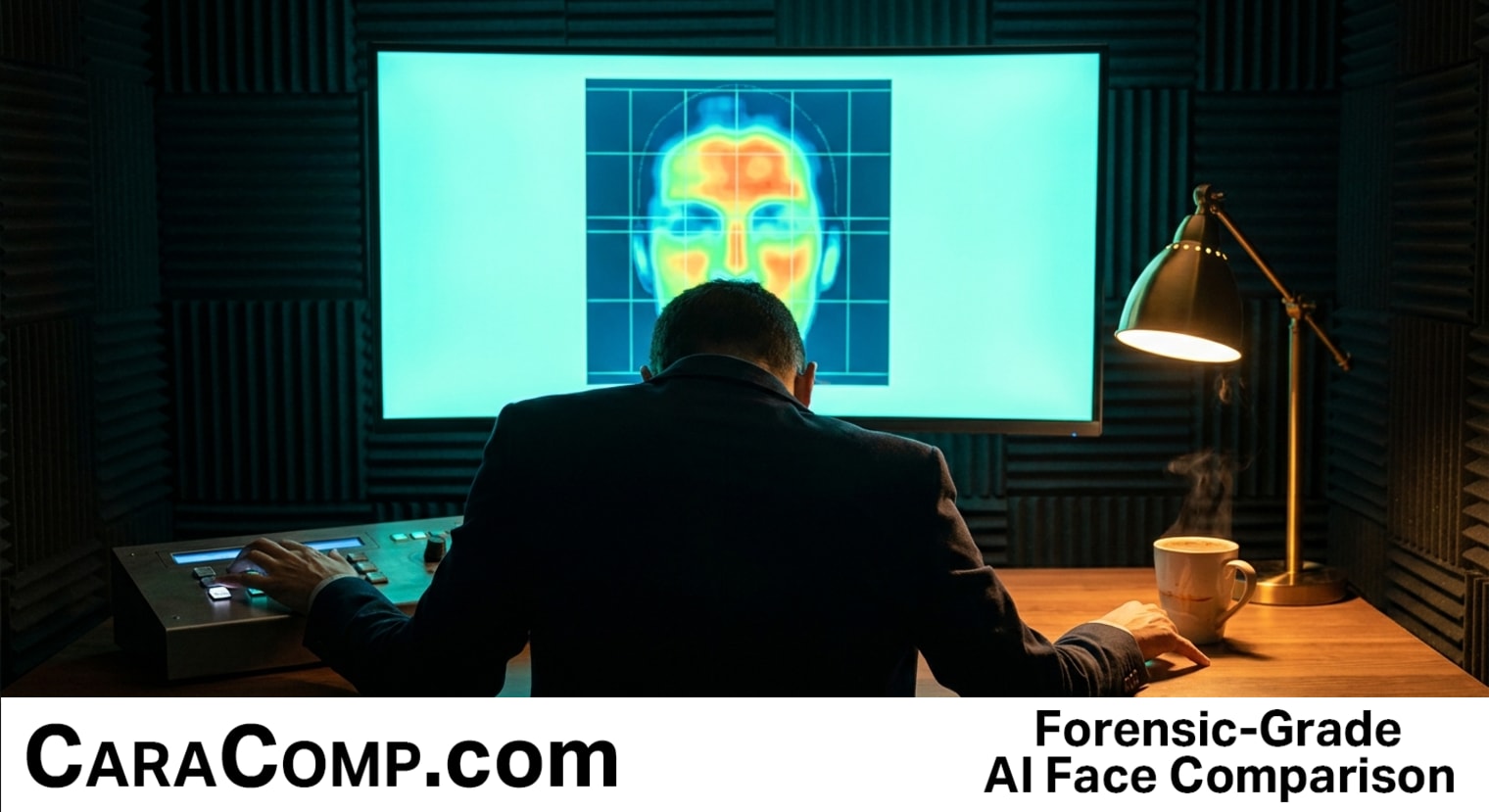
One in 25 children is already a victim of image manipulation, yet the average investigator is still trying to verify digital evidence using nothing but a "gut feeling" and a desk lamp. The recent criminal charges against a New Jersey teenager for creating AI-generated explicit images of classmates isn't just a headline about schoolyard malice; it is a klaxon horn for the private investigation and OSINT communities. If you aren't using math to verify identity, you are guessing—and in a court of law, guessing is professional suicide.
- The "Eyeball Method" is dead: As deepfakes move from celebrity parodies to local neighborhood disputes, investigators who rely on manual facial comparison are walking into a liability trap. Without Euclidean distance analysis to provide a mathematical confidence score, your testimony is just an opinion that any halfway-decent defense attorney will shred.
- Facial comparison is the new standard of care: There is a critical distinction between crowd surveillance and investigative facial comparison. The former is a privacy nightmare; the latter is a rigorous, side-by-side case analysis tool that separates the professional investigator from the amateur.
- Evidence integrity requires enterprise-grade metrics: When a victim’s reputation or a client’s freedom is on the line, "it looks like them" isn't an answer. Investigators need court-ready reporting that explains the biometric delta between photos to prove whether an image is a genuine likeness or a synthetic fraud.
The acceleration of these cases is staggering. We’ve moved from zero to six simultaneous deepfake investigations in a single state in just three years. This surge creates a massive tech gap for the solo PI and small firm. While federal agencies have long used high-level biometrics to handle this type of digital evidence, the independent investigator has been priced out, forced to choose between $2,000-a-year enterprise contracts or unreliable consumer-grade junk that fails under scrutiny.
The Montgomery Township case proves that the workflow must change. We can no longer wait for a post-mortem forensic check after the damage is done. Real investigation technology must be deployed at the intake stage. By using professional facial comparison tools to establish a baseline of identity via Euclidean distance, investigators can provide the clarity that school boards, HR departments, and courts are currently lacking. At CaraComp, we believe every investigator deserves that caliber of analysis without the enterprise gatekeeping.
Read the full article on CaraComp: 1 in 25 Kids Are Now Deepfake Victims — and Your Investigators Aren't Ready


Comments
Post a Comment