Biometric Law Is Closing In: What Investigators Must Know Now
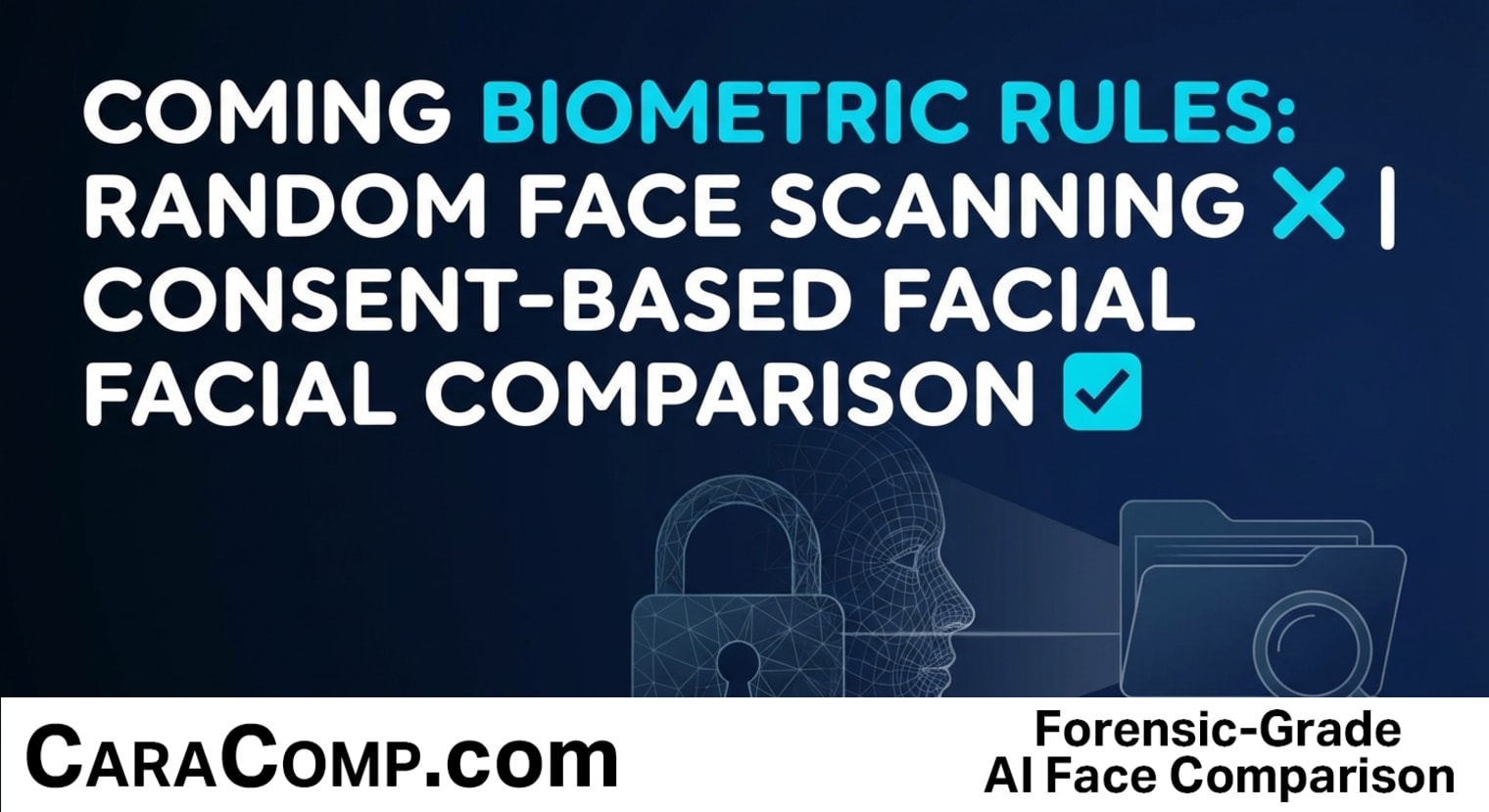
A single state-level privacy law has already triggered over $2 billion in class-action settlements, proving that the legal risk of biometric data isn't just a headache for Big Tech—it is a potential landmine for every solo private investigator with a laptop. While many investigators assume they are too small to be targeted by regulators, the reality is that biometric litigation doesn't prioritize headcount; it prioritizes methodology. If you are extracting facial geometry without a clear understanding of the evolving legal landscape, you are operating on borrowed time.
Understanding the shifting landscape of biometric law is no longer optional for professionals in OSINT, law enforcement, or private investigation. As global regulations like the EU AI Act and US state laws like BIPA tighten, a clear line is being drawn between high-risk surveillance and defensible investigative analysis. Here are the critical insights for modern investigators:
- The $2 Billion Precedent: The Illinois Biometric Information Privacy Act (BIPA) has demonstrated that any firm—regardless of size—collecting biometric identifiers without documented consent faces extreme financial exposure. These laws treat facial geometry as protected personal data, meaning your case files are now high-stakes legal assets.
- Comparison vs. Surveillance: Modern regulations increasingly distinguish between prohibited "real-time remote identification" (scanning crowds) and case-specific "facial comparison." The latter, when conducted with human oversight and documented lawful authority, remains a protected and vital investigative methodology.
- The Documentation Shield: Defensibility in 2025 relies on "purposeful collection scope." Investigators must be able to prove why each image was analyzed, who authorized its use, and that the analysis was limited to specific subjects rather than broad biometric harvesting.
For the sharp investigator, the goal is to bridge the tech gap by adopting tools that respect these legal boundaries. While enterprise-level suites often cost upwards of $1,800 a year, you can now access the same Euclidean distance analysis for a fraction of that price. By focusing on facial comparison—analyzing specific photos within a case folder rather than scanning public spaces—you align your workflow with the "consent-based" model that regulators protect. This shift from manual photo-reviewing to tech-assisted comparison doesn't just save hours; it provides the professional, court-ready reporting necessary to maintain your reputation in an increasingly scrutinized field.
Read the full article on CaraComp: Biometric Law Is Closing In: What Investigators Must Know Now


Comments
Post a Comment