Your iPhone Just Asked Your Age. Here's Why That Should Scare You.
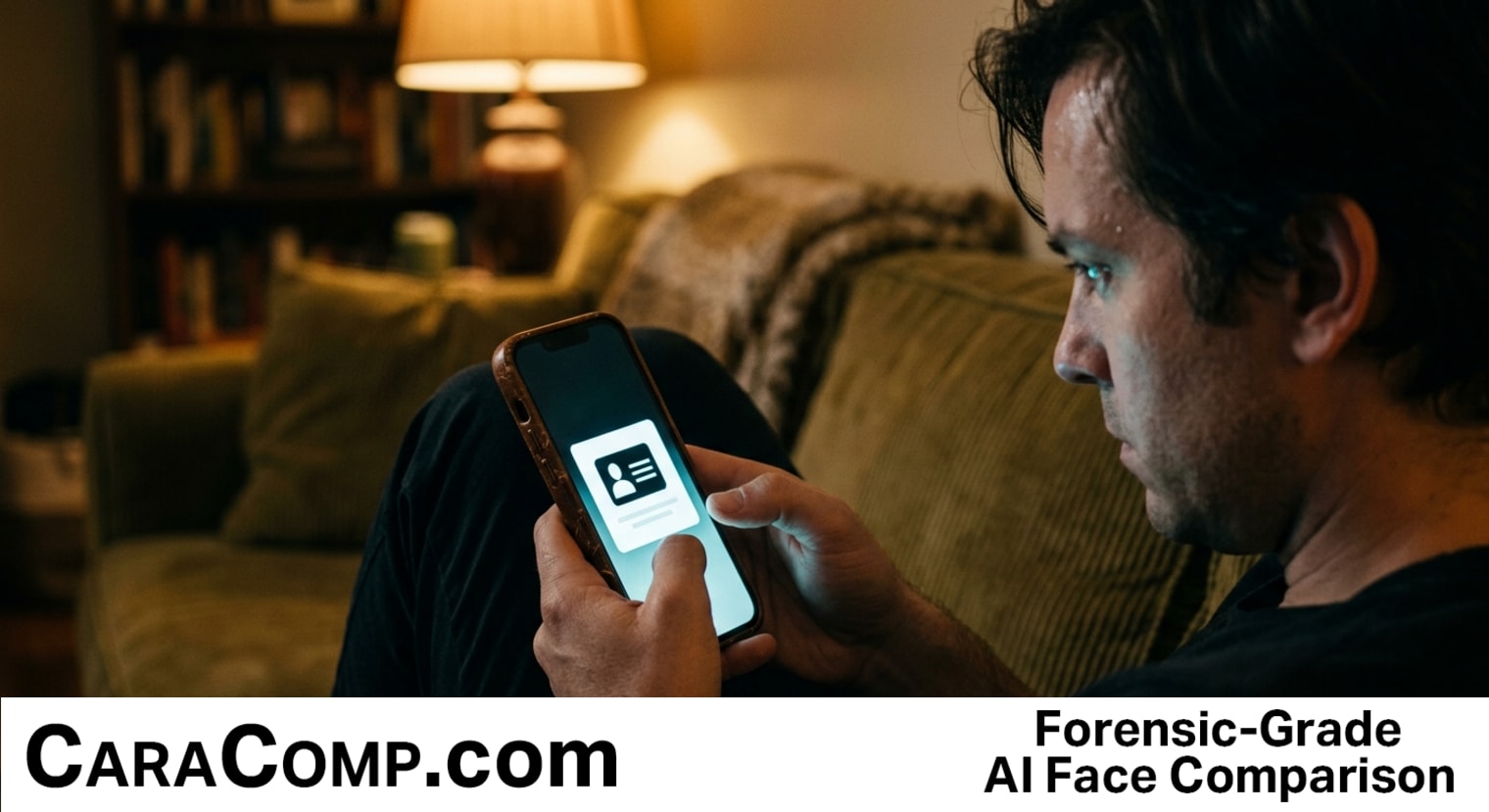
Your smartphone is no longer just a communication device; it has officially been deputized as a digital border agent. A recent case involving a second-hand iPhone owner in Bulgaria has exposed a jarring reality: your hardware now carries the legal "dna" of its country of origin, regardless of where you actually live. When this user’s phone began aggressively demanding age verification prompts for services that didn't require them locally, the mystery led back to a UK-coded model. The device was simply following the laws of its birthplace, proving that biometric gatekeeping is now baked into the silicon.
For private investigators and OSINT professionals, this isn't just a tech quirk—it’s a paradigm shift. We are witnessing the normalization of facial analysis as a daily barrier to entry. While "age assurance" might seem like a minor hurdle, it is training the general public to offer up their facial biometrics with a level of "verification fatigue" that is frankly dangerous. When people are conditioned to tap "yes" and scan their faces just to access an app, they lose the critical eye required to spot identity theft or sophisticated phishing attempts. This creates a massive opening for fraud, but it also highlights a growing divide between consumer-grade "nags" and the enterprise-grade facial comparison we rely on in the field.
From the CaraComp perspective, this news reinforces why professional investigators must use tools that prioritize precision over mass-surveillance habits. While consumer tools are often unreliable or prone to false positives, the industry is moving toward a future where "Euclidean distance analysis" becomes the gold standard for verifying identity in professional settings. We aren't just looking at faces; we are analyzing digital footprints that are increasingly tied to hardware origin and regional legal sets.
- Biometric Fatigue as a Security Risk: The constant demand for facial age estimation on consumer devices is training users to hand over identity data without thought, making them easier targets for sophisticated social engineering.
- Hardware-Level Jurisdiction: The fact that an iPhone bought in London still enforces UK law in Bulgaria suggests that "location" is now tied to the device’s serial number rather than its GPS coordinates, adding a new layer to digital forensic analysis.
- The Professionalization of Facial Comparison: As the public gets used to "face scanning," the distinction between unreliable consumer apps and court-ready, professional facial comparison tools will define which investigators stay ahead of the curve.
We are entering an era where the hardware in your pocket knows more about the law than you do. For the sharp investigator, staying ahead means recognizing that while the public is being trained to ignore these prompts, the data behind them is becoming the most valuable asset in any case file.
Read the full article on CaraComp: Your iPhone Just Asked Your Age. Here's Why That Should Scare You.


Comments
Post a Comment