Sweden Just Legalized Live Facial Recognition. One Loophole Could Unravel It All.
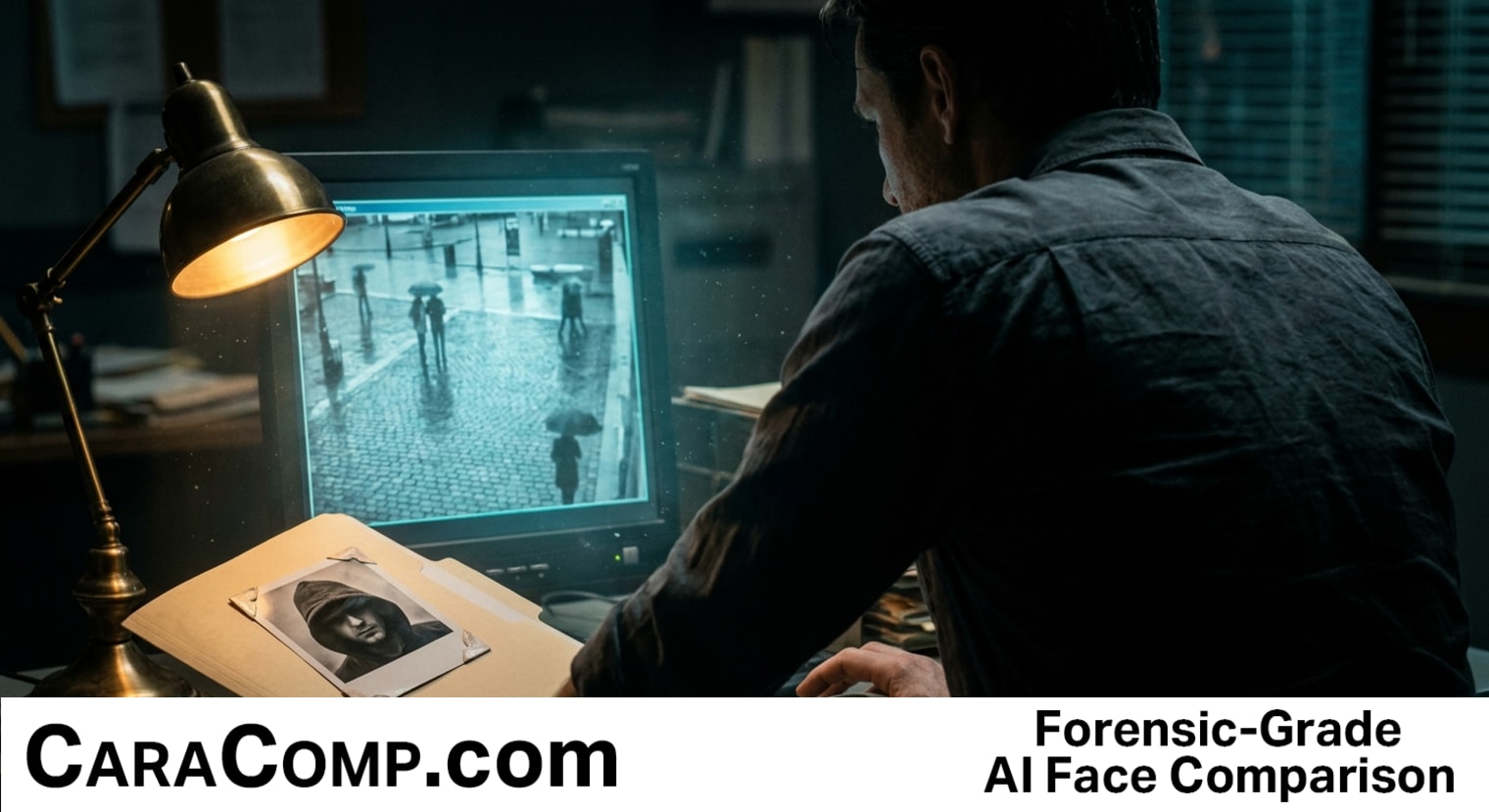
Sweden just handed its police force a scalpel and a sledgehammer at the same time. By legalizing live facial recognition while leaving a massive 24-hour emergency loophole, they’ve essentially invited "mission creep" to the party. For the professional investigator, this isn’t just a Swedish policy shift—it’s the definitive signal that the line between forensic comparison and mass surveillance is being blurred at the highest levels of government.
As the world watches Stockholm, solo private investigators and OSINT researchers need to be prepared for the fallout. The public rarely distinguishes between facial comparison (analyzing your own case photos side-by-side) and facial recognition (scanning a crowd in real-time). When the news cycle hits a fever pitch over the perceived "Big Brother" nature of live surveillance, the sharpest investigators are the ones who can explain the difference: one is a targeted forensic tool using Euclidean distance analysis; the other is a dragnet.
Sweden’s "emergency bypass" is exactly why enterprise-grade tools shouldn't just be locked behind government firewalls. When technology is only available to the state or those with $2,400/year to burn, transparency dies. The democratization of this tech—giving solo PIs the same analytical power as a federal agency at 1/23rd the cost—is the only way to ensure that "standard investigative methodology" doesn't become a euphemism for unrestricted state power. It is about bringing professional, court-ready reports to the person on the ground, not just the precinct.
Key Implications for Investigators:
- The Branding War is Here: Public perception of "facial recognition" is trending toward the negative. Investigators must double down on the term facial comparison to distinguish their forensic case analysis from controversial mass surveillance feeds.
- Court-Admissibility is the New Standard: As laws tighten around live scans, the demand for professional, data-backed reporting for static photo comparisons will skyrocket. "Trust me, they look alike" won't cut it in a post-2026 legal landscape.
- The End of Manual Comparison: Sweden’s move proves that AI-driven biometrics are becoming the global baseline for law enforcement. If you’re still manually comparing faces, you aren't just slow—you’re becoming a liability to your clients who expect modern tech standards.
If you’re still manually squinting at grainy photos for three hours a case, you’re already behind. The tech is moving, the laws are shifting, and your clients expect enterprise-level accuracy without the enterprise-level invoice. It is time to adopt tools that focus on YOUR photos and YOUR cases, leaving the surveillance debates to the politicians.
Read the full article on CaraComp: Sweden Just Legalized Live Facial Recognition. One Loophole Could Unravel It All.


Comments
Post a Comment