Your Phone Unlocked. That Doesn't Prove Who Used It.
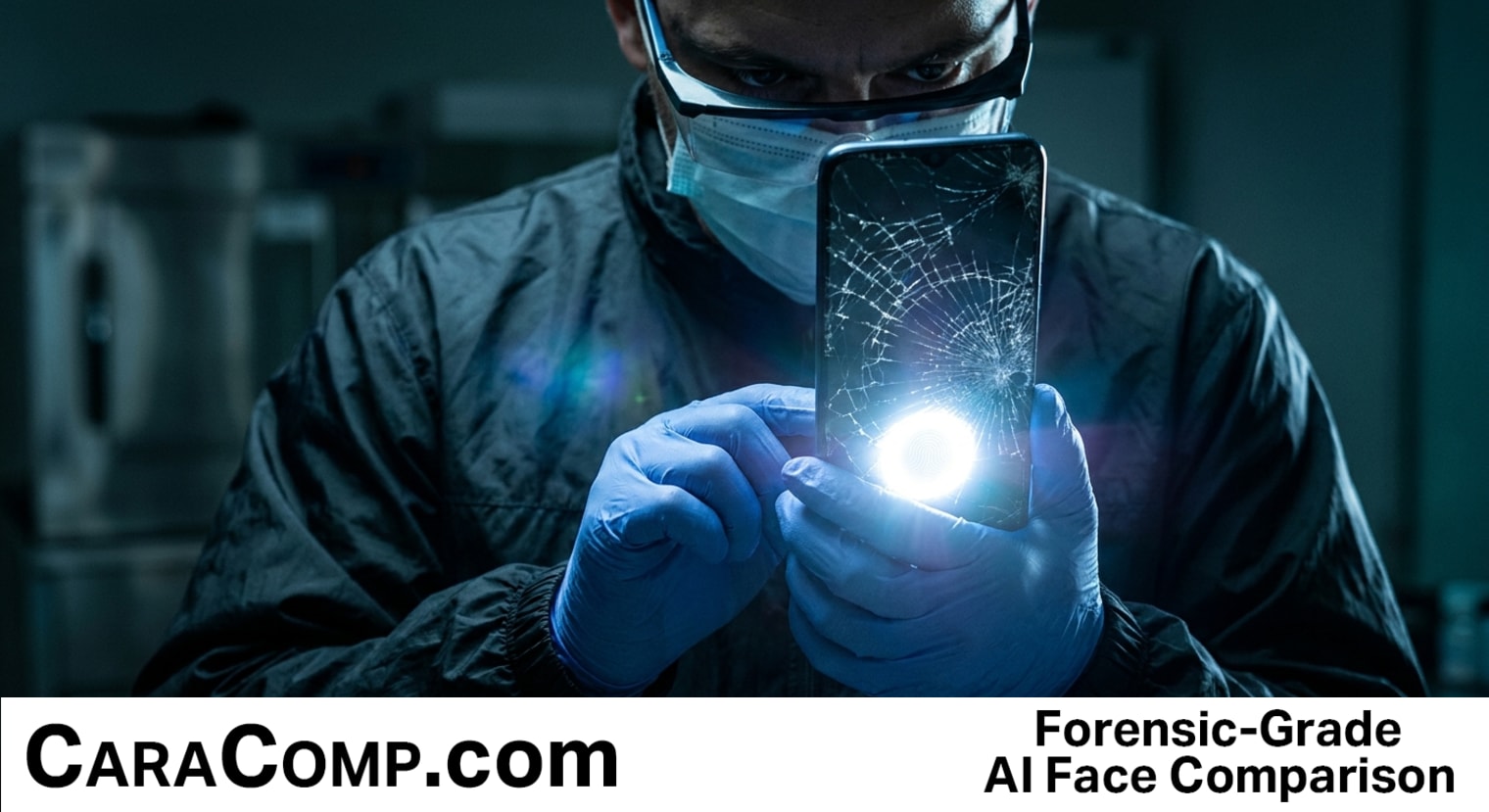
Stop treating a biometrically unlocked phone as a digital confession. For years, investigators have viewed a successful FaceID or fingerprint match as the ultimate "gotcha" moment—the smoking gun that places a specific suspect behind the screen. But the industry is waking up to a uncomfortable reality: device authentication is a convenience feature, not a forensic identity proof. If your entire case rests on the fact that a device opened, you’re built on sand.
The technical architecture of modern devices actually undermines their use as primary evidence. Most consumer hardware allows for multiple enrolled templates. Whether it’s a spouse, a business partner, or a co-conspirator, anyone can be "authorized" by the owner without a digital paper trail or a notification to a central server. This creates a massive "identity gap" for private investigators and OSINT professionals. The device doesn't care who you are; it only cares that you are "close enough" to one of the mathematical hashes stored in its secure enclave.
As industry insiders, we know that these devices use Euclidean distance analysis to compare a live face against an enrolled template. It’s the same logic we use at CaraComp, but with one critical difference: the device is a closed loop. It provides no report, no confidence score, and no batch analysis for the investigator. When a solo PI relies on a "successful unlock" in a fraud case, they are ignoring the possibility that a third party was enrolled to facilitate the very crime they are investigating.
- The Enrollment Trap: Since consumer devices support multiple biometric profiles, an unlocked phone proves authorization, not identity. Without secondary facial comparison of case photos, you cannot prove which "authorized" user was actually holding the device at the time of the incident.
- Threshold vs. Truth: Device biometrics are tuned for speed and "frictionless" access, meaning they often use lower similarity thresholds than professional-grade investigative tools. This makes them susceptible to false positives that wouldn't pass muster in a court-ready report.
The future of investigation isn't just getting into the device—it's proving who was there. Investigators who fail to layer professional facial comparison over simple device authentication are leaving themselves open to easy "reasonable doubt" arguments. It’s time to stop letting consumer-grade convenience dictate the quality of your evidence.
Read the full article on CaraComp: Your Phone Unlocked. That Doesn't Prove Who Used It.


Comments
Post a Comment